


Airbnb is not the culprit behind escalating rental prices or worsening housing affordability in Cape Town.
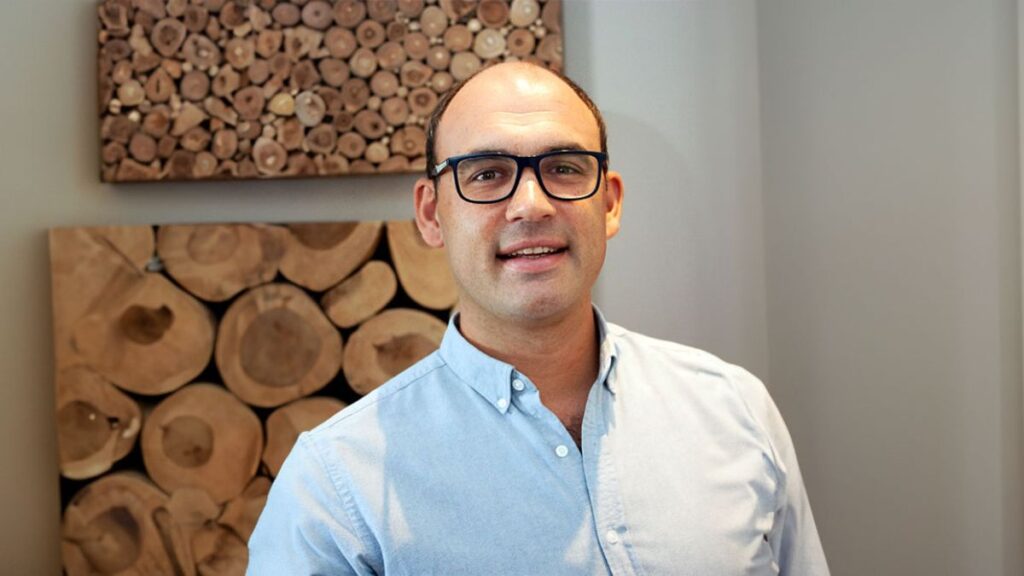
This is according to Renier Kriek, Managing Director of Sentinel Homes, who said calls to regulate Airbnb in South Africa are misplaced.
“Those who portray themselves as champions of regulation are either misinformed or acting from ulterior motives,” Kriek told BusinessTech.
He argued that focusing on Airbnb distracts from the real problems and solutions in the housing market.
Cape Town, often cited as a case study, illustrates why Airbnb regulation is unlikely to solve affordability issues.
A 2024 report, Airbnb’s Impact on the City of Cape Town, shows that between January 2020 and January 2024, the total number of Airbnb listings resulting in stays increased very little.
More importantly, dedicated Airbnb listings—entire properties rented out rather than spare rooms or secondary structures—made up only 0.9% of the city’s 818,000 formal homes.
“With partial listings, accommodations are shared with existing residents, so they are not drivers affecting availability or affordability,” Kriek explained.
In fact, short-term rentals bring measurable benefits to Cape Town’s economy. In 2023, Airbnb hosts welcomed 700,000 guests, generating R14.4 billion in GDP and supporting 49,000 jobs, contributing R7 billion in wages.
These guests would still need accommodation, likely in hotels and guesthouses, which also occupy real estate that could serve as housing.
Additionally, tourists’ spending boosts local businesses and supply chains, driving additional economic activity, creating jobs, and increasing tax revenue.
According to Kriek, these contributions demonstrate that short-term letting positively impacts the economy and has minimal effect on housing availability.
Despite these benefits, the City of Cape Town plans to register all short-term rentals, a move Airbnb supports, and may require hosts to pay commercial property rates.
Kriek cautioned that increasing costs for Airbnb landlords could dampen tourism, ultimately harming the city’s economy.
“These regulation suggestions are still palatable and reasonable, given competing interests, but driving prices up for Airbnb landlords to any significant degree will simply leave Cape Town worse off,” he said.
The real culprit
Kriek added that the real issue is a shortage of housing supply. South Africa’s population is growing faster than new properties are being developed, a challenge amplified in Cape Town by the semigration trend.
According to the city’s mayor, Geordin Hill-Lewis, around 100,000 people have moved to Cape Town from other parts of the country over the past three years, pushing the city’s projected population for 2025 to 5.1 million.
Kriek agrees with Hill-Lewis and stressed that the housing crisis stems from insufficient supply, especially for the working class.
While the city is accelerating efforts to make land available to microdevelopers, funding for low-cost housing still relies on national government programmes, which are not forthcoming fast enough.
For larger commercial developers, bureaucratic hurdles mean that projects that should take a few years instead stretch over decades.
“Currently, in South Africa, and including Cape Town, from identifying a piece of land for housing development to families moving in takes 7-18 years, depending on the precise situation of the land,” Kriek explained.
He added that most of this time is taken in planning approvals and similar regulatory. He described these obstacles as an “illness” that must be addressed if housing is to keep pace with demand.
Kriek argued that Airbnb has little to no effect on the availability or affordability of housing in Cape Town or South Africa.
Restrictive regulation would target a small symptom while leaving the larger issues unresolved.
It could even harm the economy by reducing tourism and benefiting a select few, such as foreign hotel groups.
Instead, he urged policymakers to focus on accelerating housing supply, reducing bureaucratic delays, and implementing pro-housing policies.
“If you want what’s good for the country, or if your concerns are for the poor and the vulnerable, then you don’t want significant Airbnb regulation,” Kriek said.
