

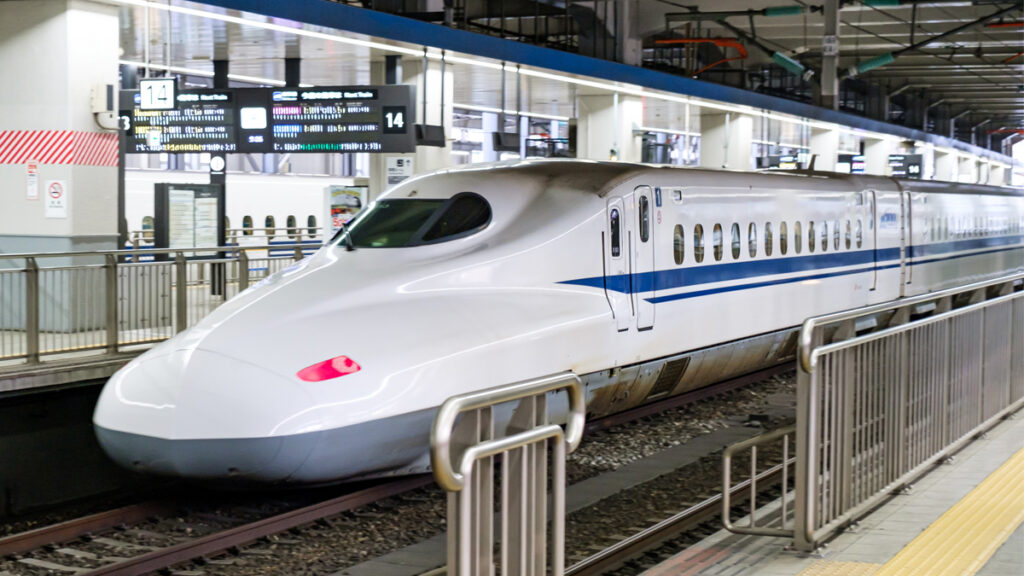
Riding the bullet train in Japan is a world-class experience, and South Africans are missing out on a service which would drastically reduce the need to drive and fly in the country.
BusinessTech travelled on the bullet train, known as the “Shinkansen” in Japan, from Tokyo to Osaka and back again in December, and was thoroughly impressed.
From start to finish, the journey was flawless and pleasant. It started with the train stations, which are far from a place to simply board a train.
Tokyo Station and Shin-Osaka Station are best described as expansive shopping centres that also serve as a place for hundreds of thousands of people to board trains each day.
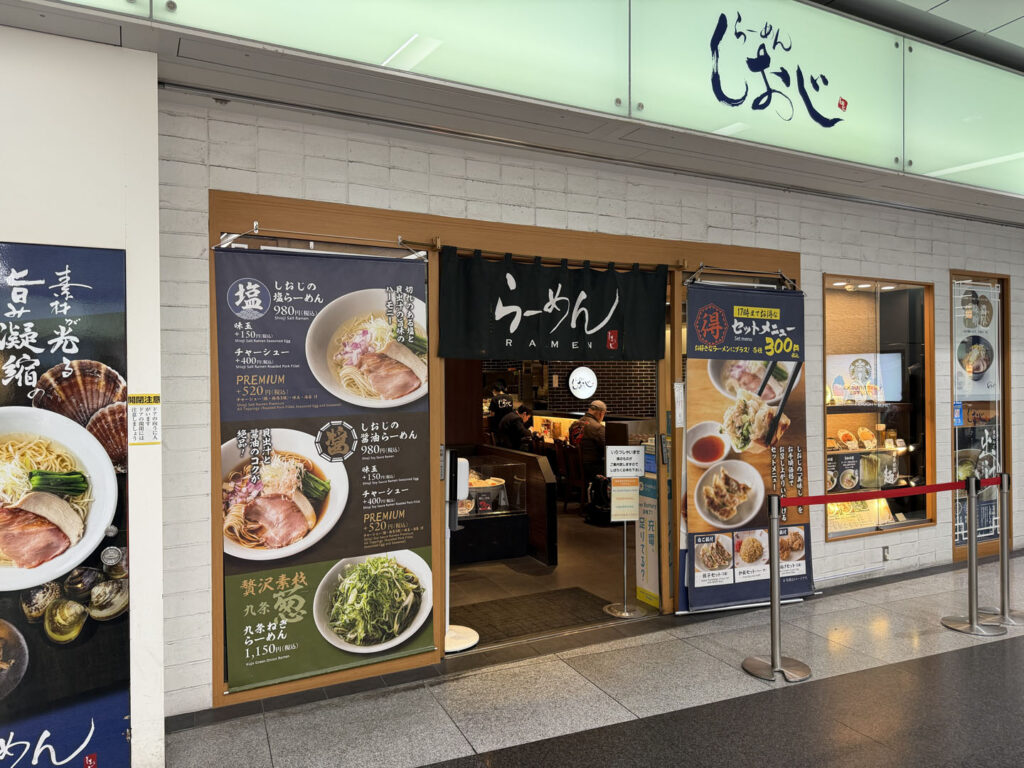
The stations are clean, modern, and packed with a wide range of stores.
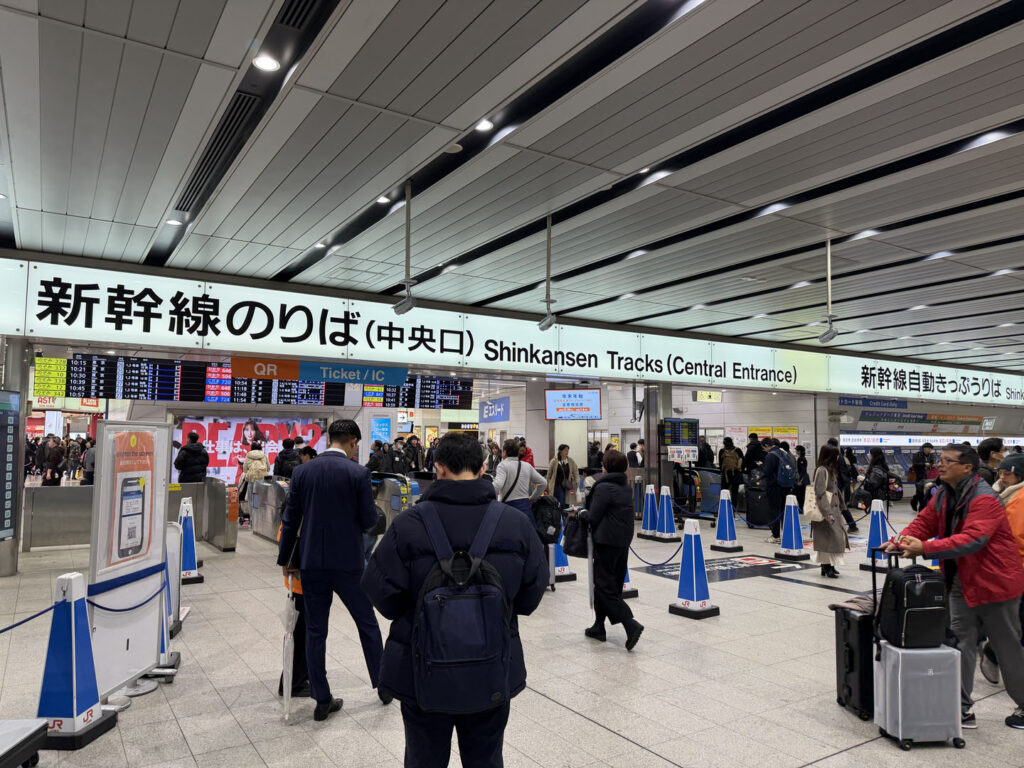
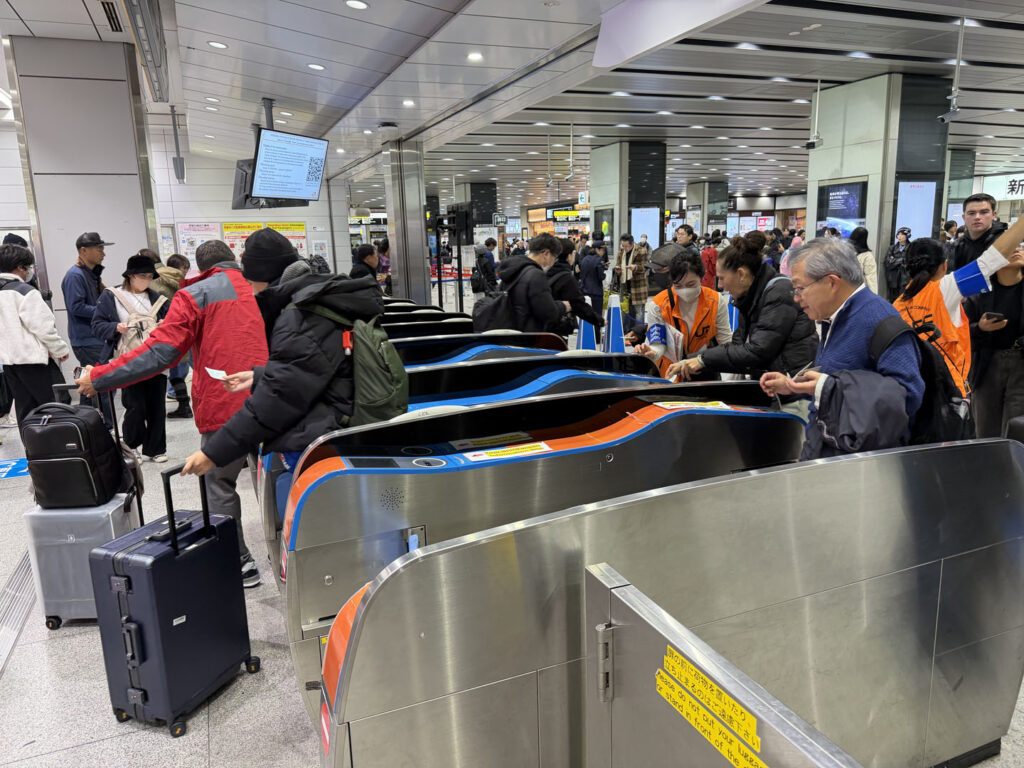
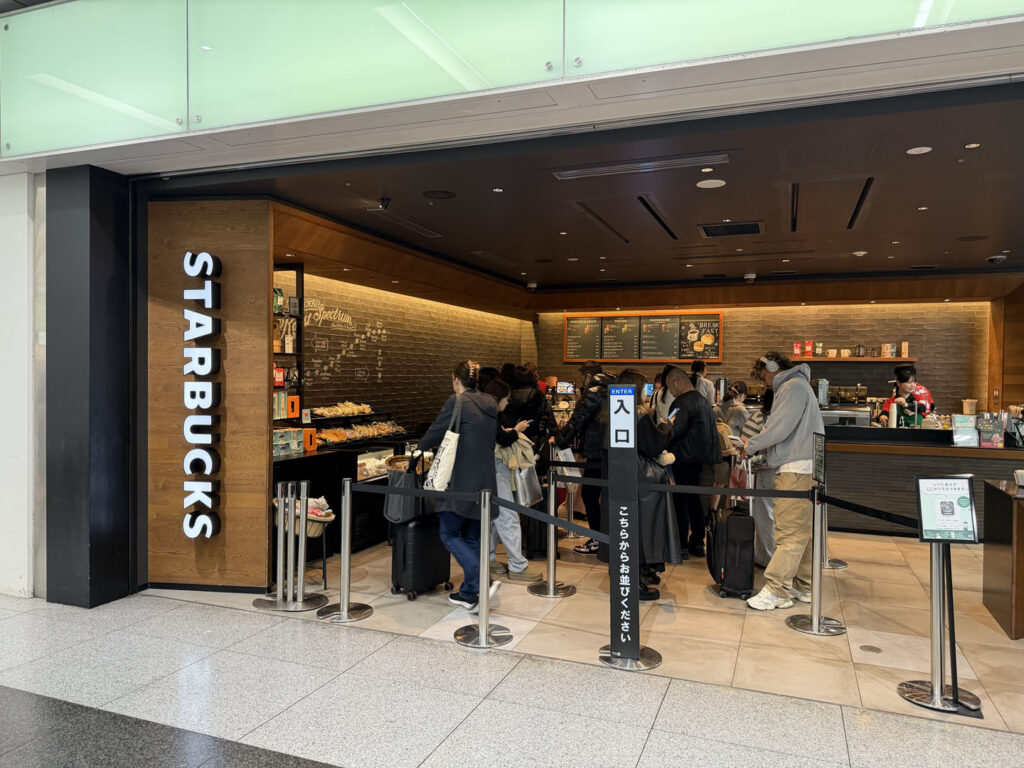
Once we entered the stations and went through our respective gates, we were greeted by restaurants, coffee shops, bakeries, and general retailers.
This included international brands like Starbucks and local brands such as the renowned 551 Horai.
All the stores were busy with customers, but the service was quick and efficient, meaning wait times were not excessive.
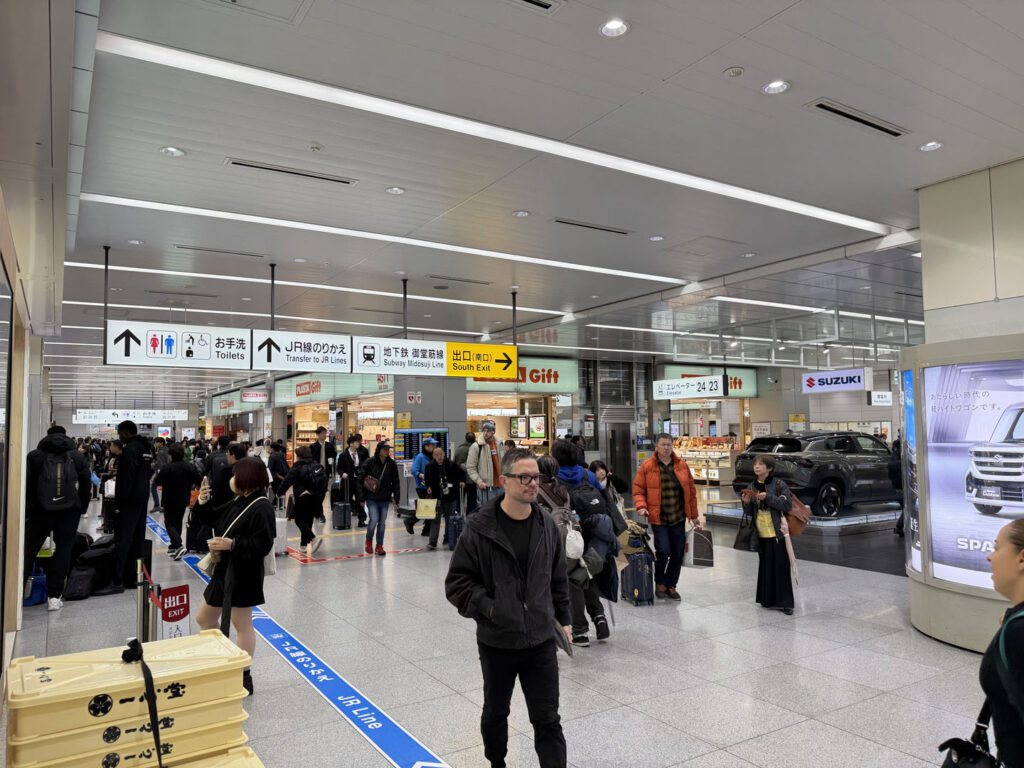
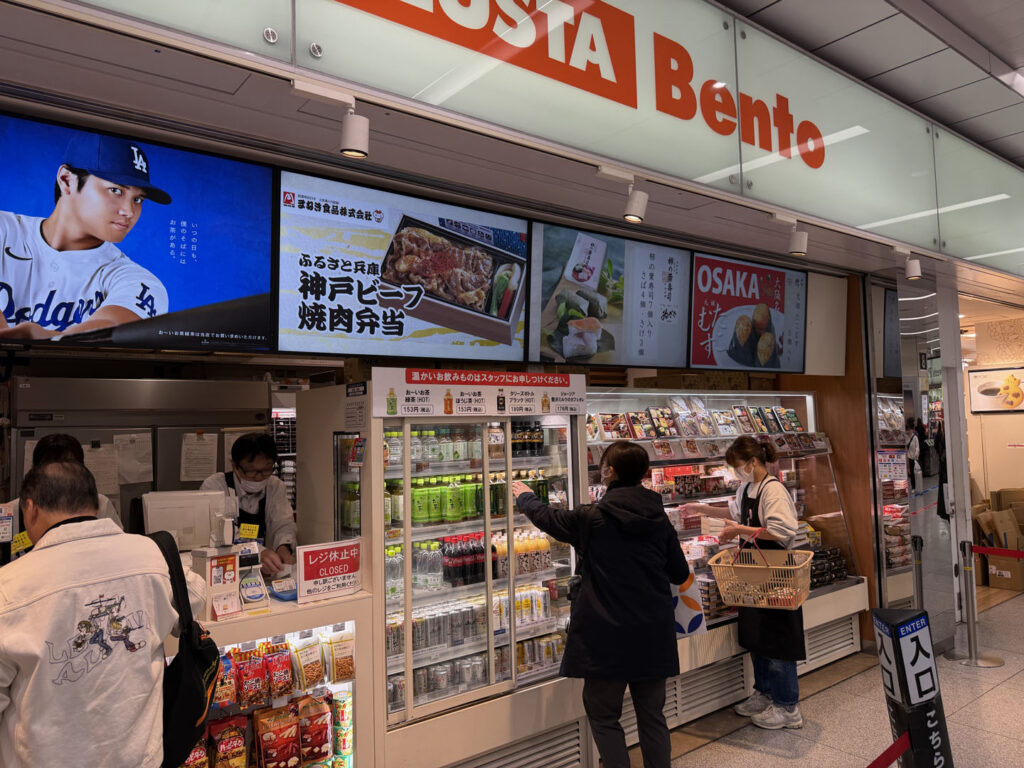
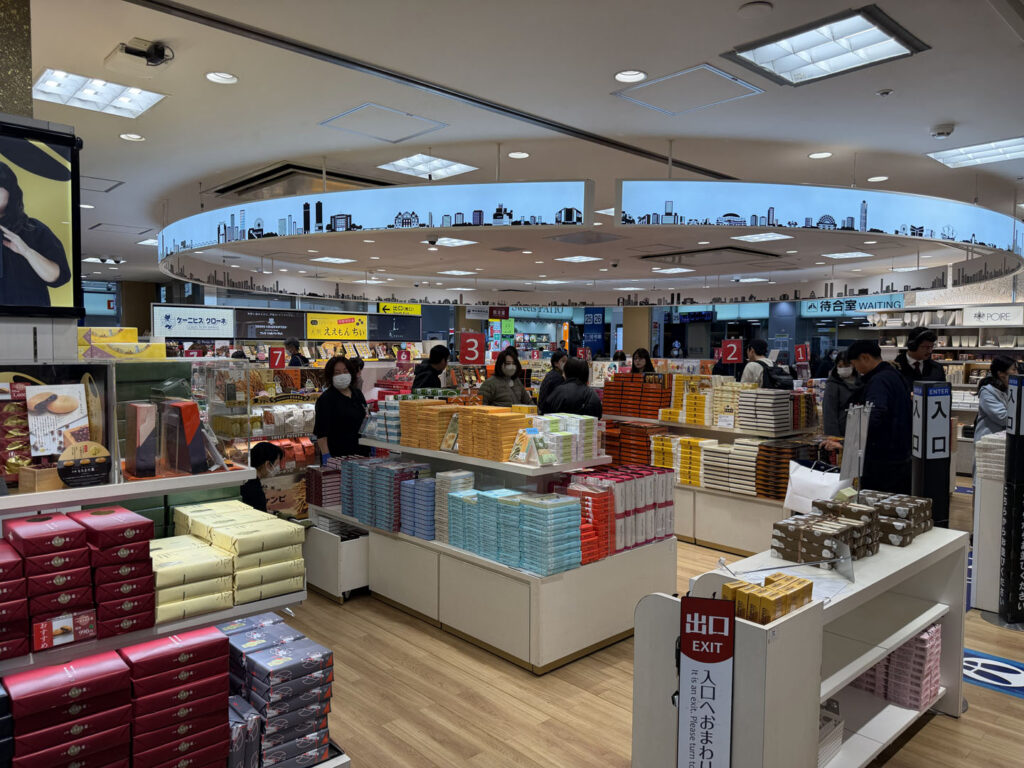
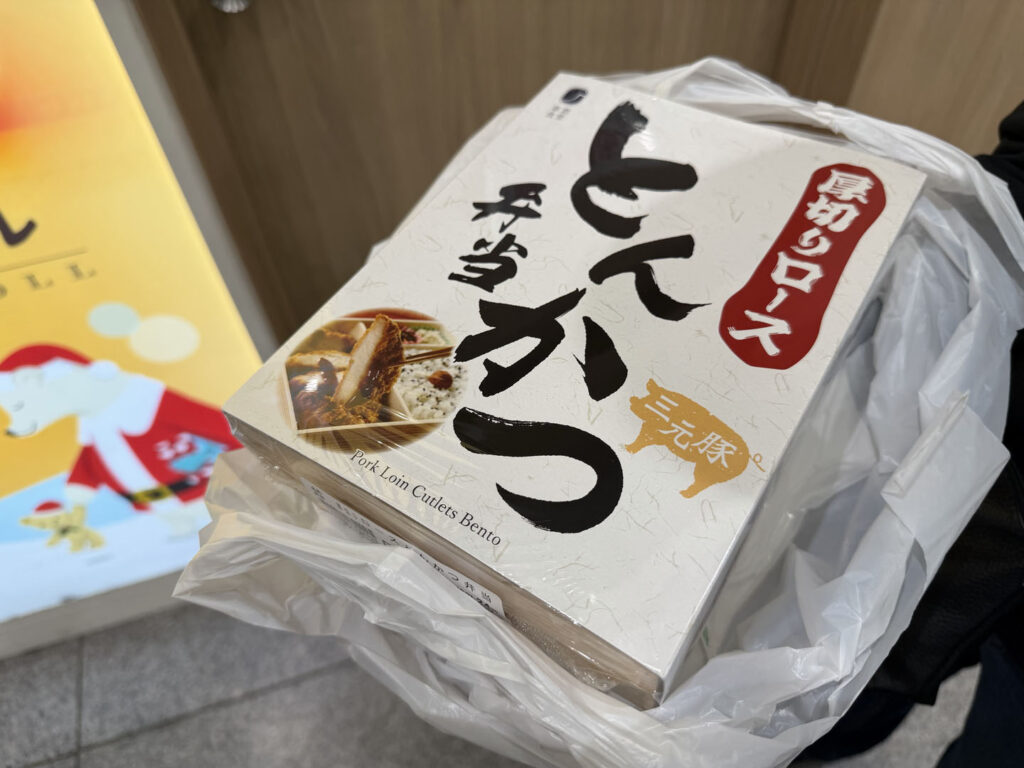
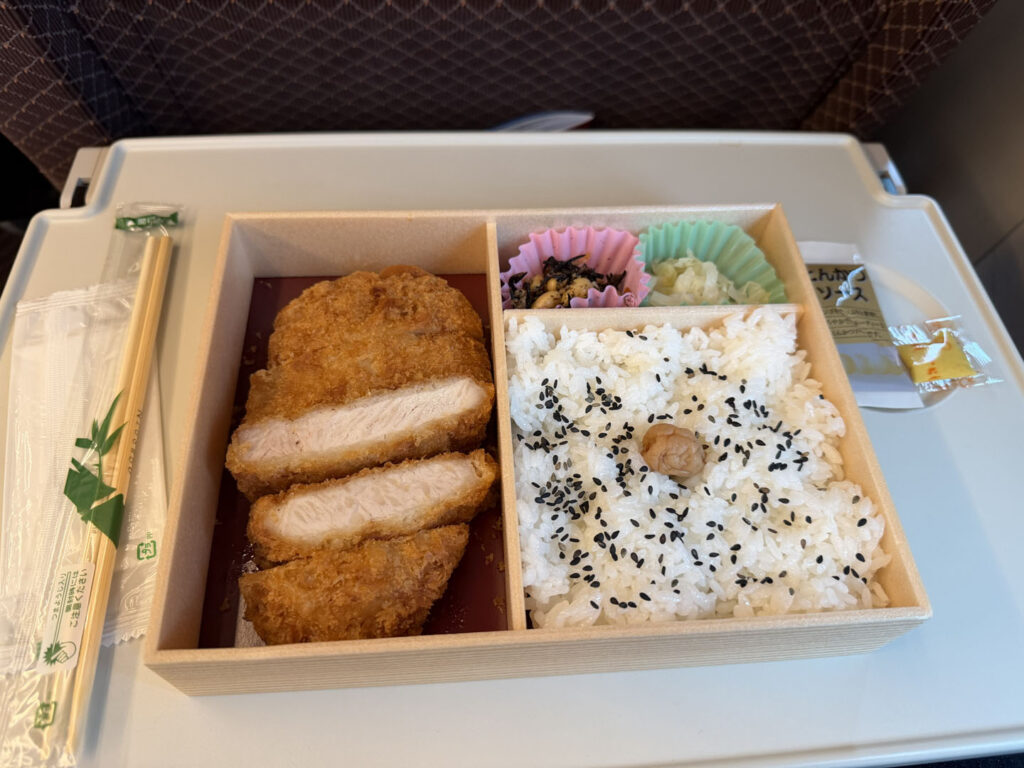
We purchased a tonkatsu (deep-fried pork cutlets) bento box for the trip, and made our way to the platform.
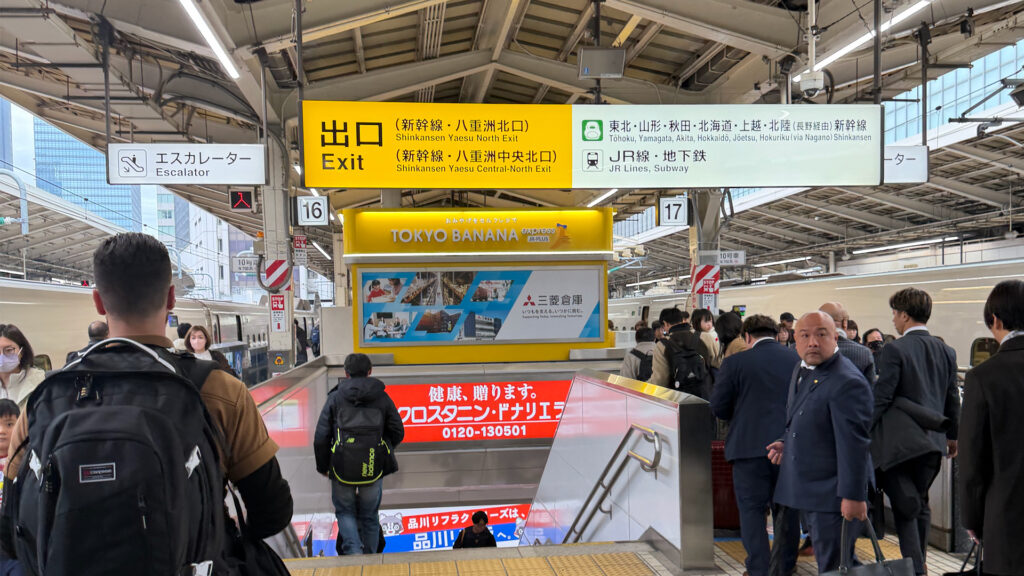
The stations have clear markings and signage throughout, with almost all of it displayed in both Japanese and English, or switching between the two languages regularly.
If you do not speak or read Japanese, you should have no issues finding your way through the stations to your train.

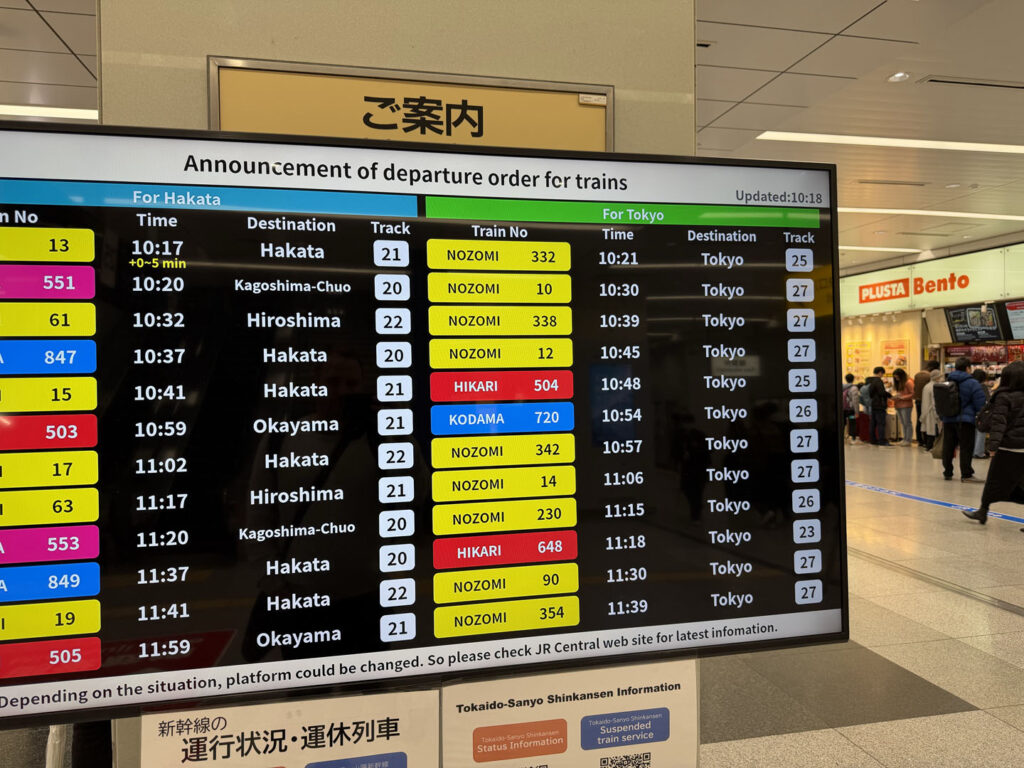
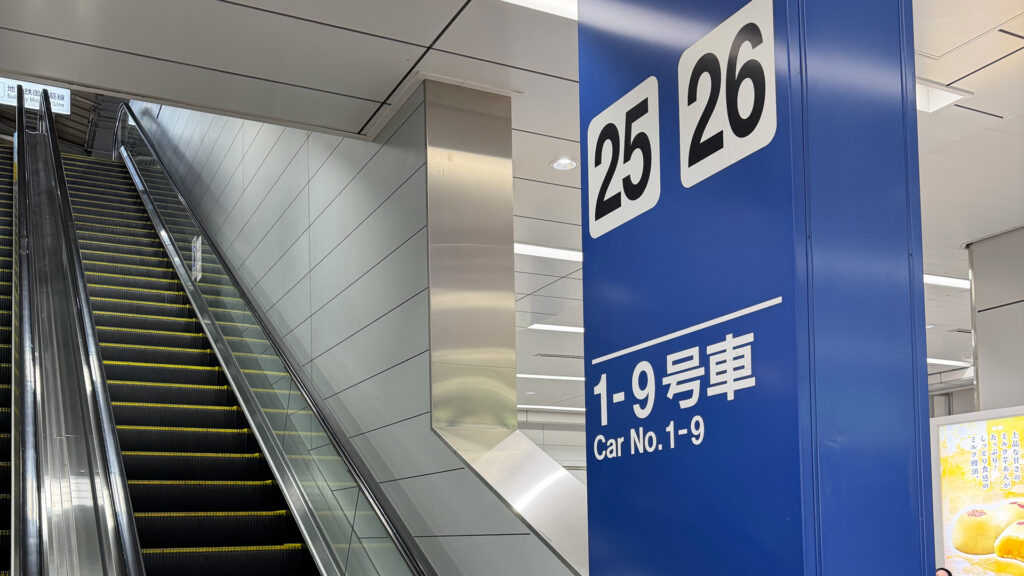
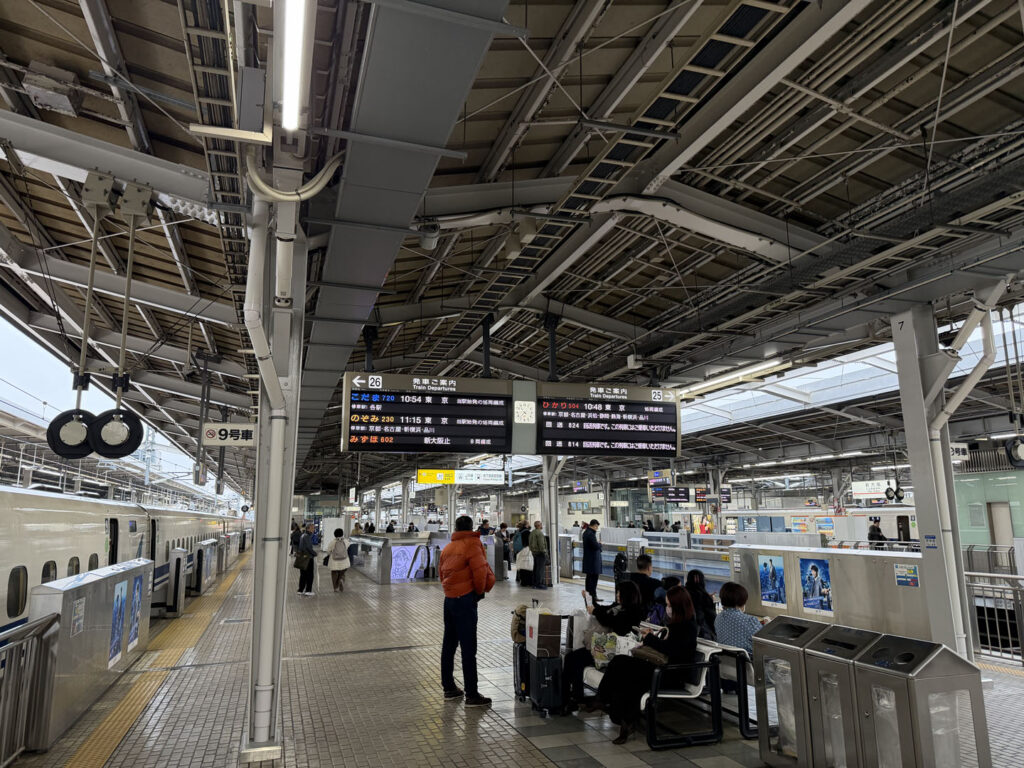
Once on the correct platform, you get to see the bullet train in its full glory while it waits for passengers to board.
We rode on the Nozomi train service on both legs of our journey, which uses an N700 series bullet train.
This is the fastest option, taking a total of 2 hours and 30 minutes to travel from Tokyo to Osaka. The return trip is a similar duration.
For comparison, driving from Tokyo to Osaka is a 500km journey, which Google Maps estimates takes between 5 and 8 hours to complete.
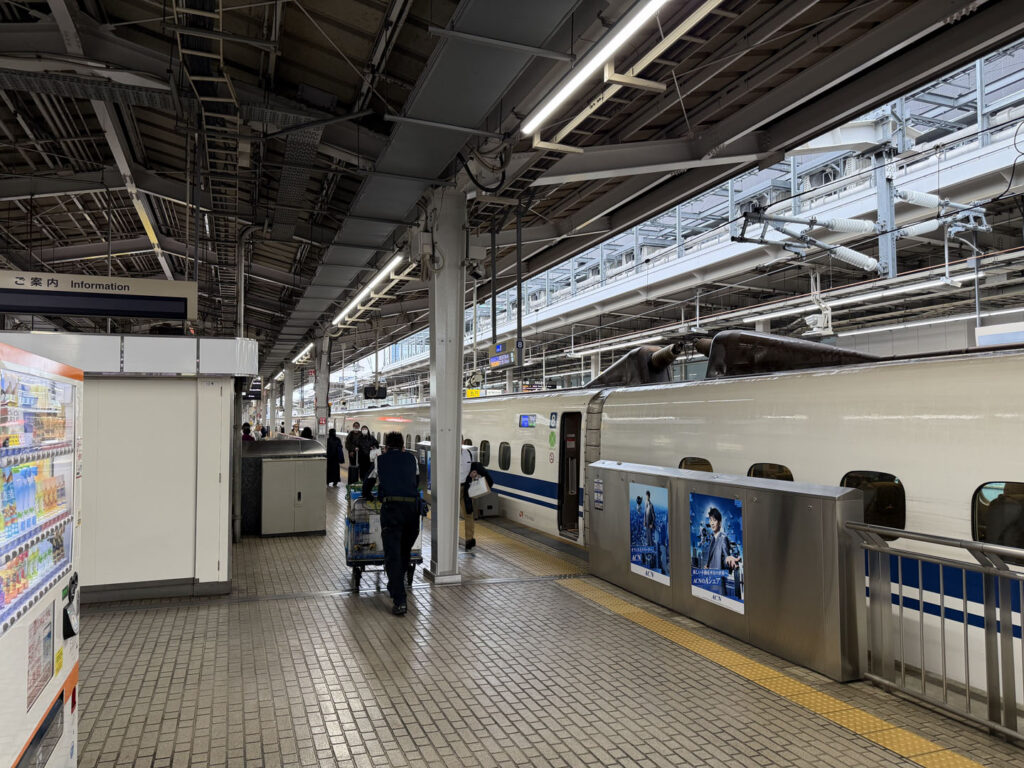
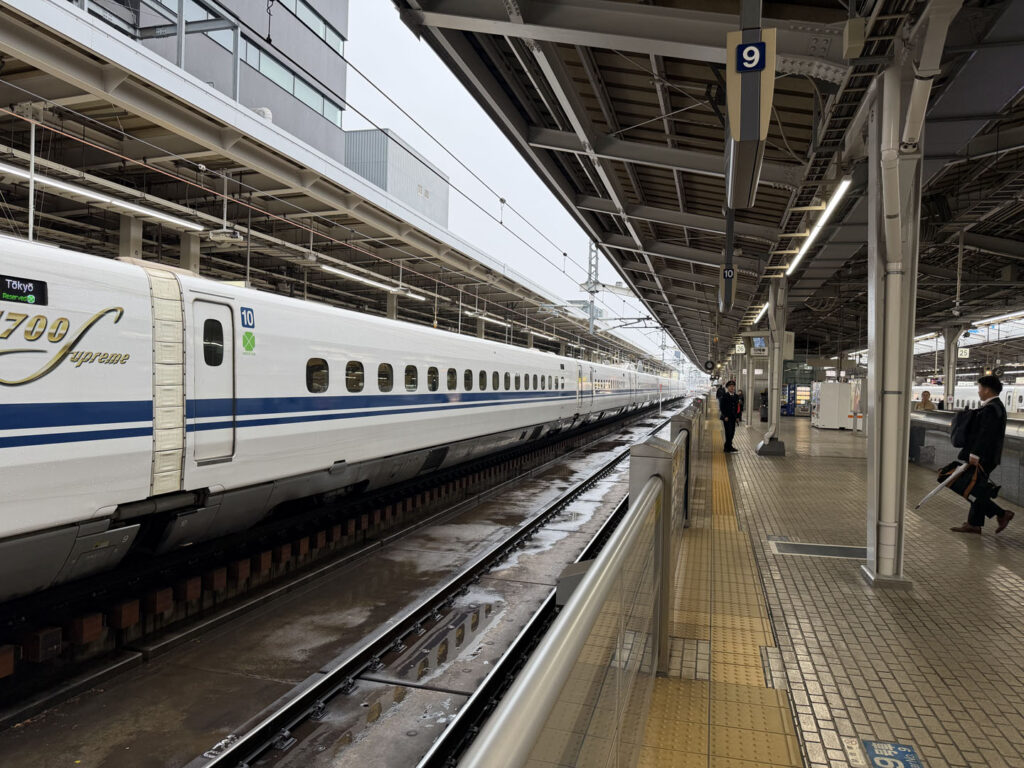
The Nozomi bullet train can travel so quickly between the two cities thanks to:
- A top operational speed of 300km/h.
- It only stops at a few stations along the way, for a couple of minutes each time.
- The tracks for the bullet train are prioritised for its journey, meaning no disruptions or “traffic”.
In true Japanese style, our bullet train arrived well ahead of its scheduled departure time, and the passengers disembarked.
A cleaning crew, waiting on the platform, then sprang into action and hurried onto the train with their equipment to clean it.
Within a few minutes, they were done, and we were instructed to board the train.
This is another hallmark of the platforms at Japanese train stations: announcements, chimes, and warnings play constantly. If you miss a train, it is almost certainly your own fault.
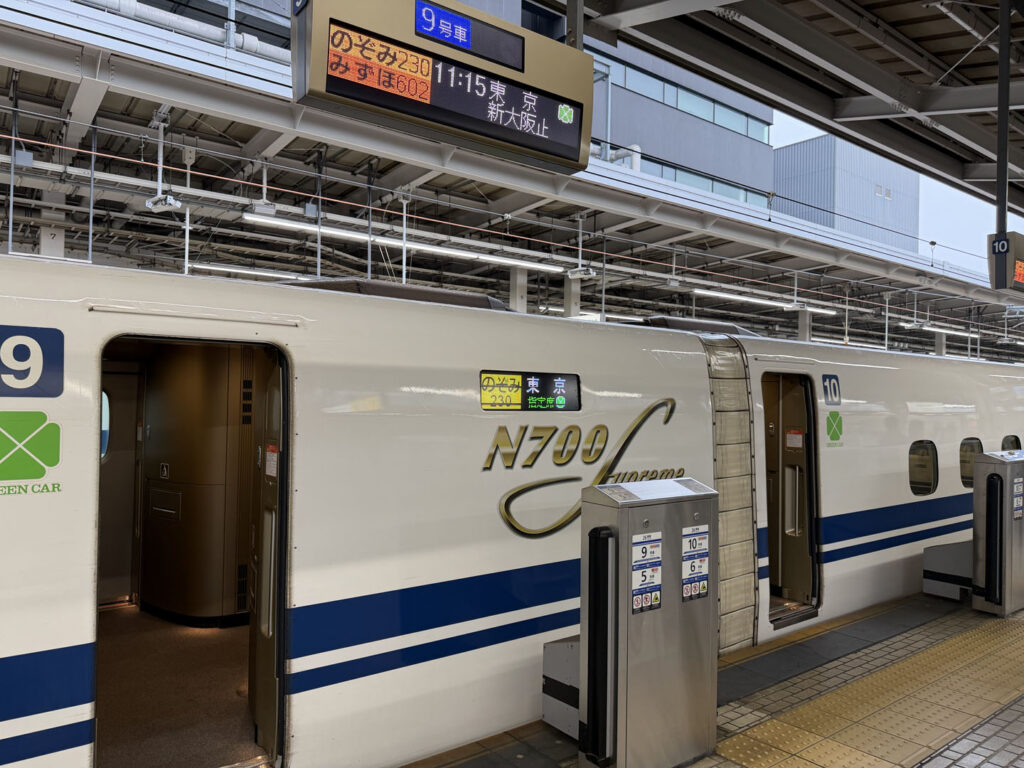
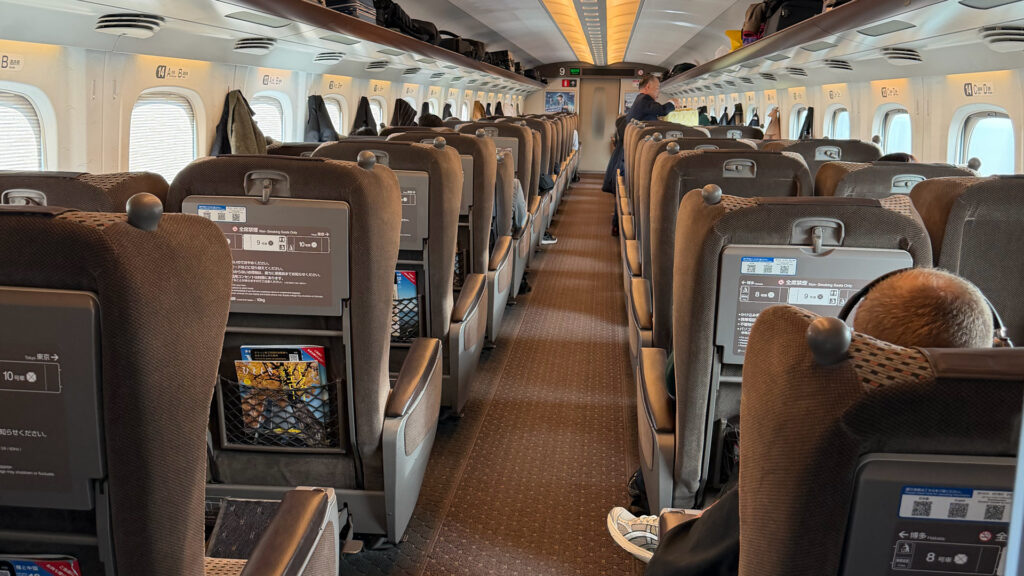
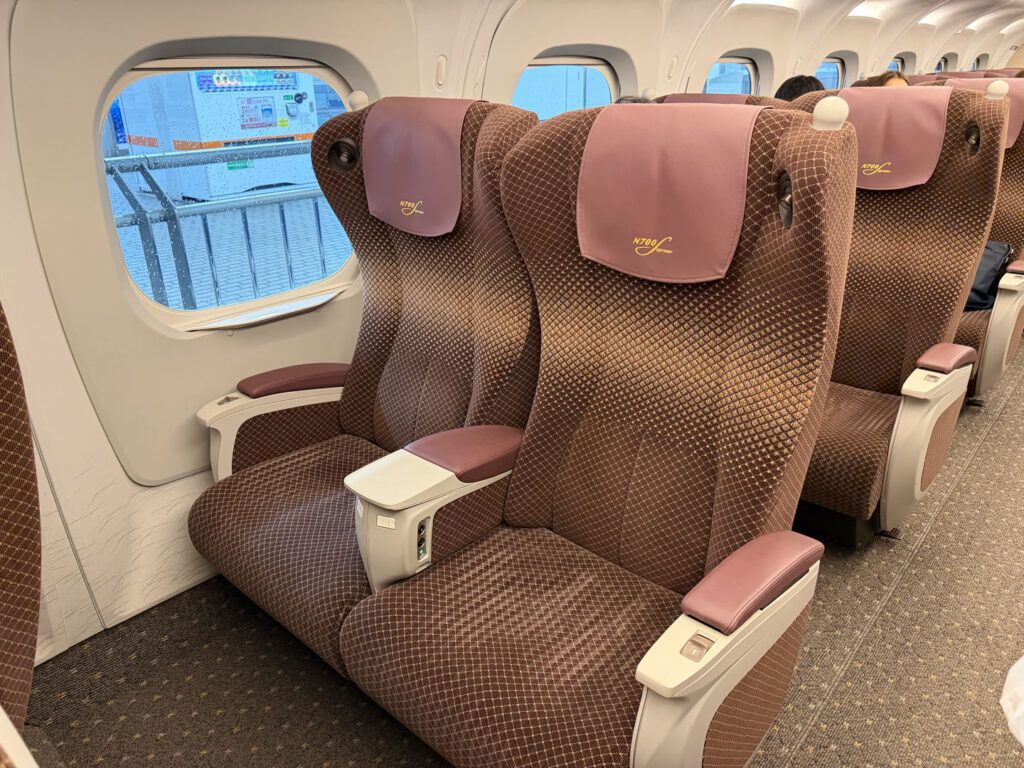
We purchased “Green Car” reserved seating for our trips, which is equivalent to first-class on the bullet train.
This gives you a specific seat in a particular car on the train, as pictured above, which was large and comfortable. The seats can also decline and feature an adjustable footrest in front of you.
For larger groups, a row of seats can be rotated 180 degrees to face the row of seats behind it. This allows for a group of four passengers to face each other.
The total price for our tickets was 77,160 Yen (R8,100) – which covered two people on a Tokyo-Osaka round-trip. This works out to just over R2,000 per person for each leg of the trip.
Cheaper seat options are available, and two people can take the same journey in a “normal” part of the train for 57,000 Yen (R6,000).
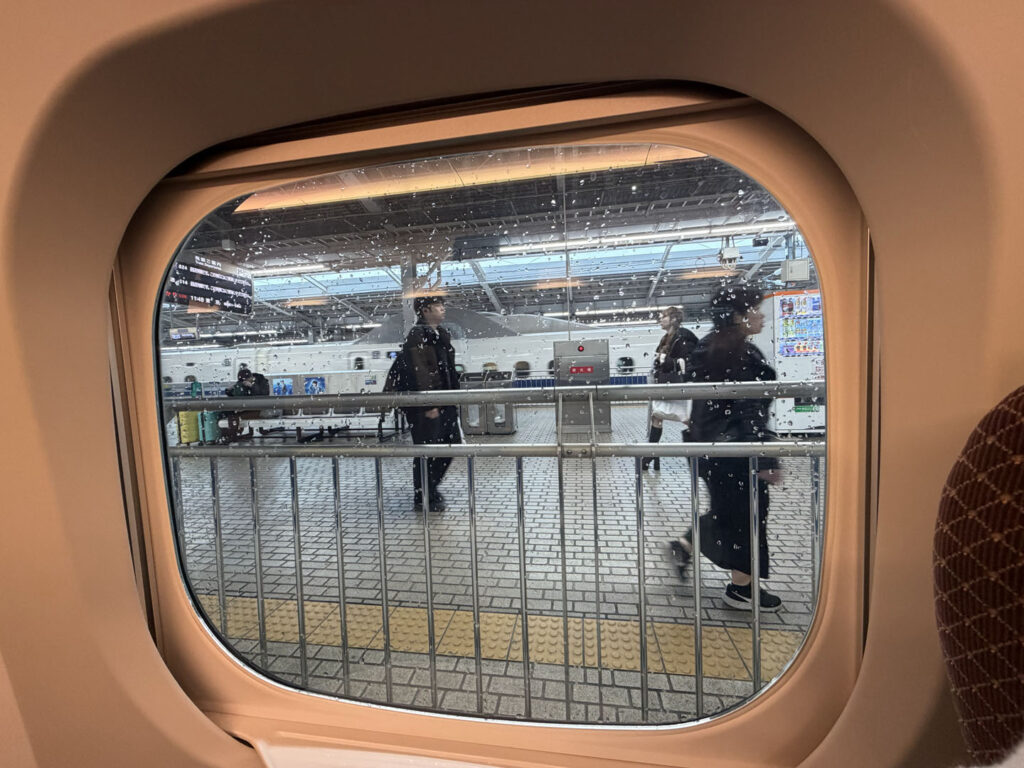
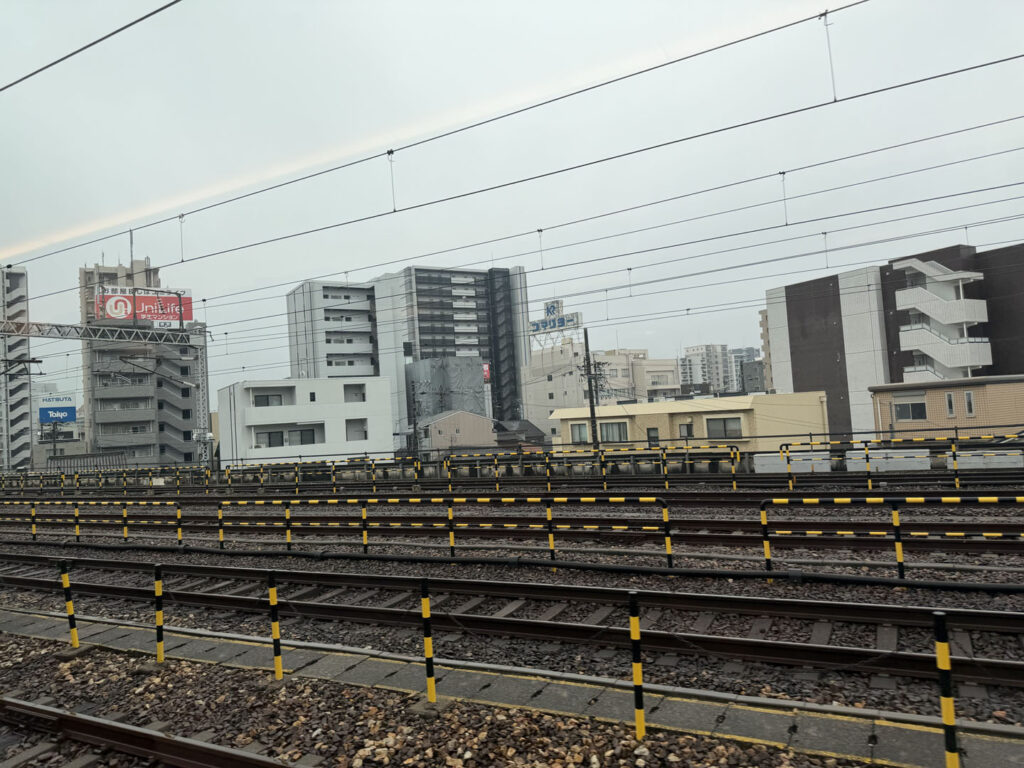
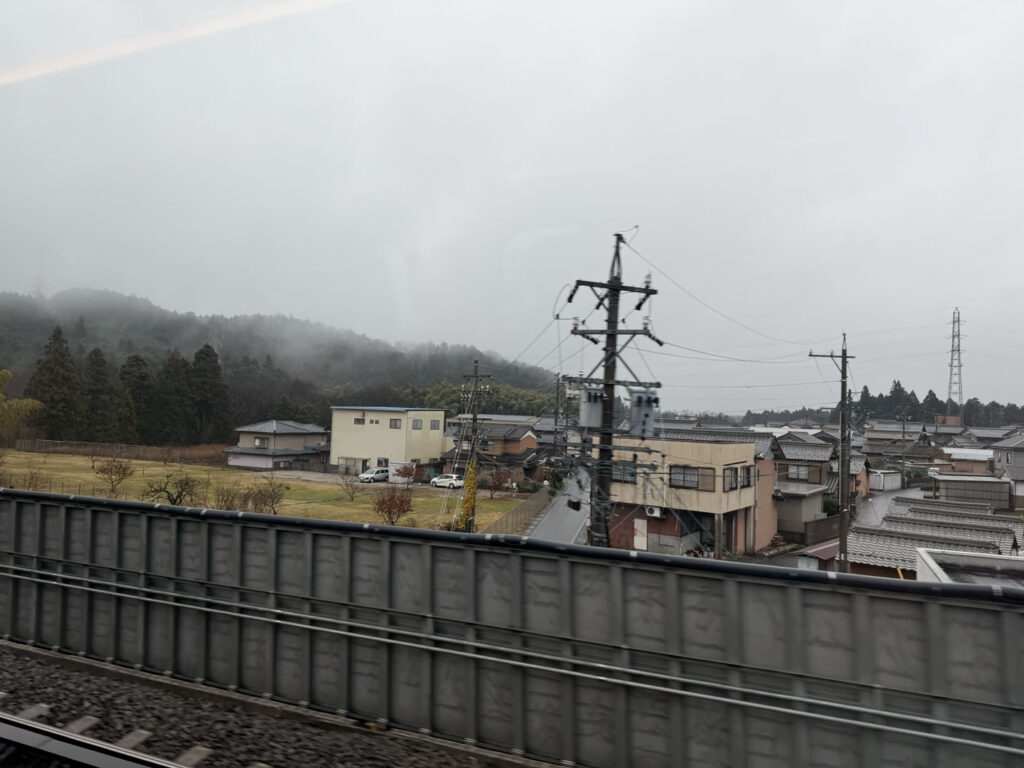
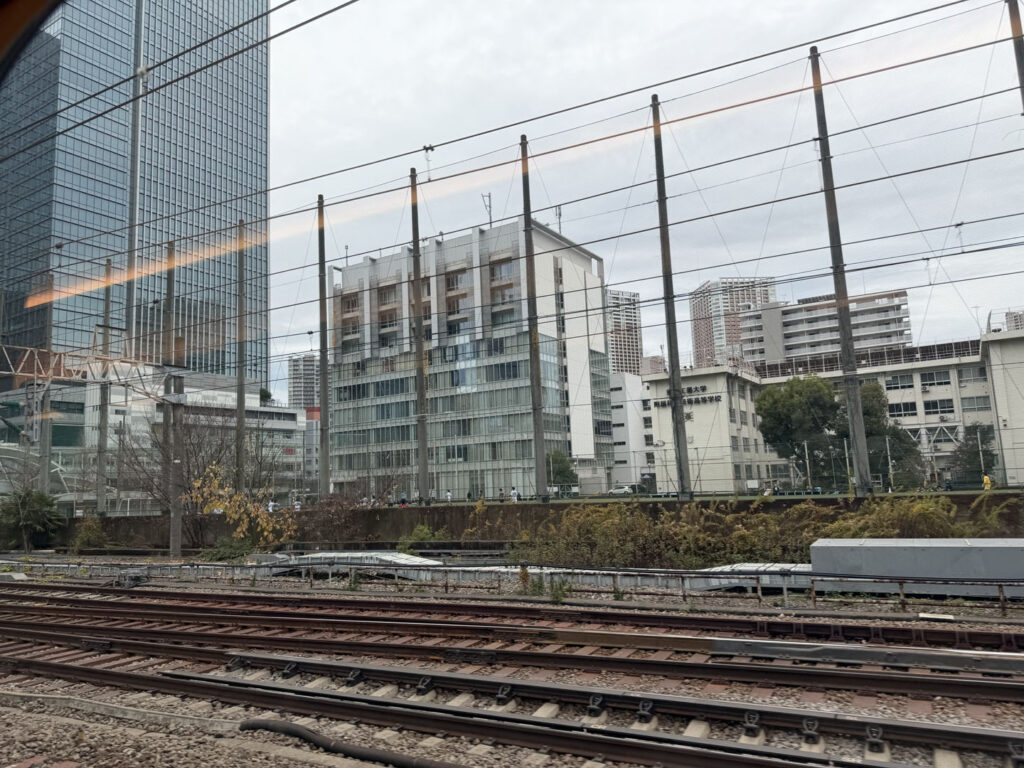
The ride on the train was superb. It floated across the tracks at a rapid speed, and the journey was extremely comfortable.
Once we departed, a bullet train employee walked down the aisle, handing out wet wipes to all passengers.
The same employee made multiple trips up and down the aisle throughout the journey, smiling as she carried a large packet and asked if we had any rubbish we wanted to throw away.
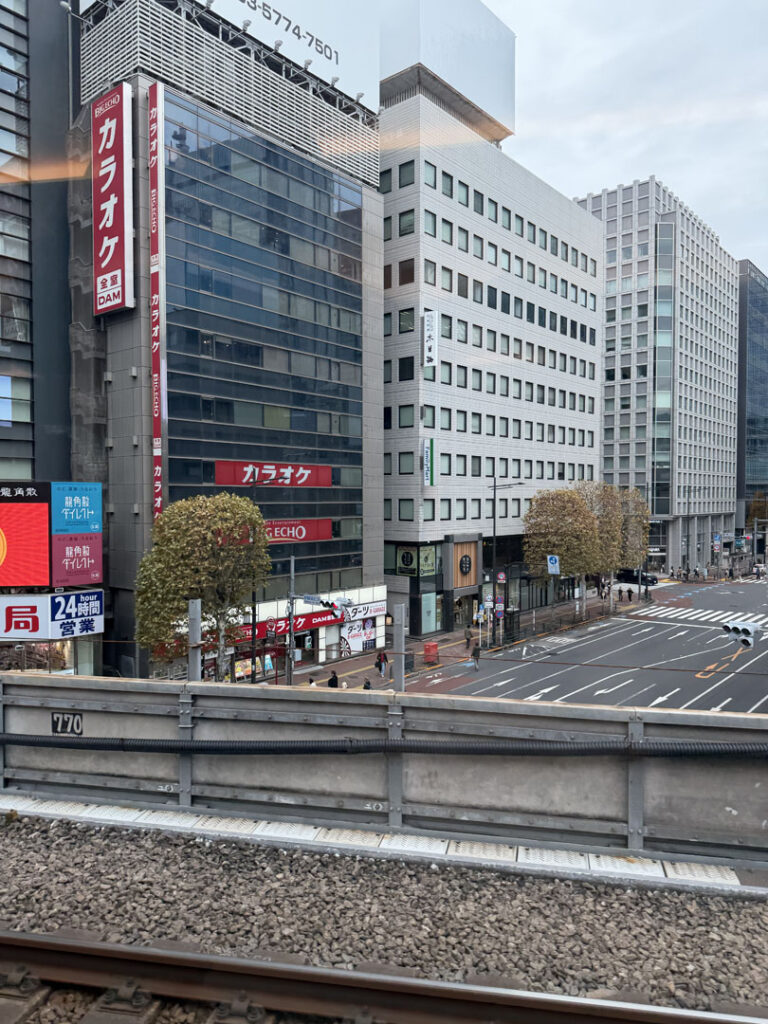
Riding across Japan also gave us a chance to see a wide range of scenery—from dense housing to large office buildings to expansive open fields.
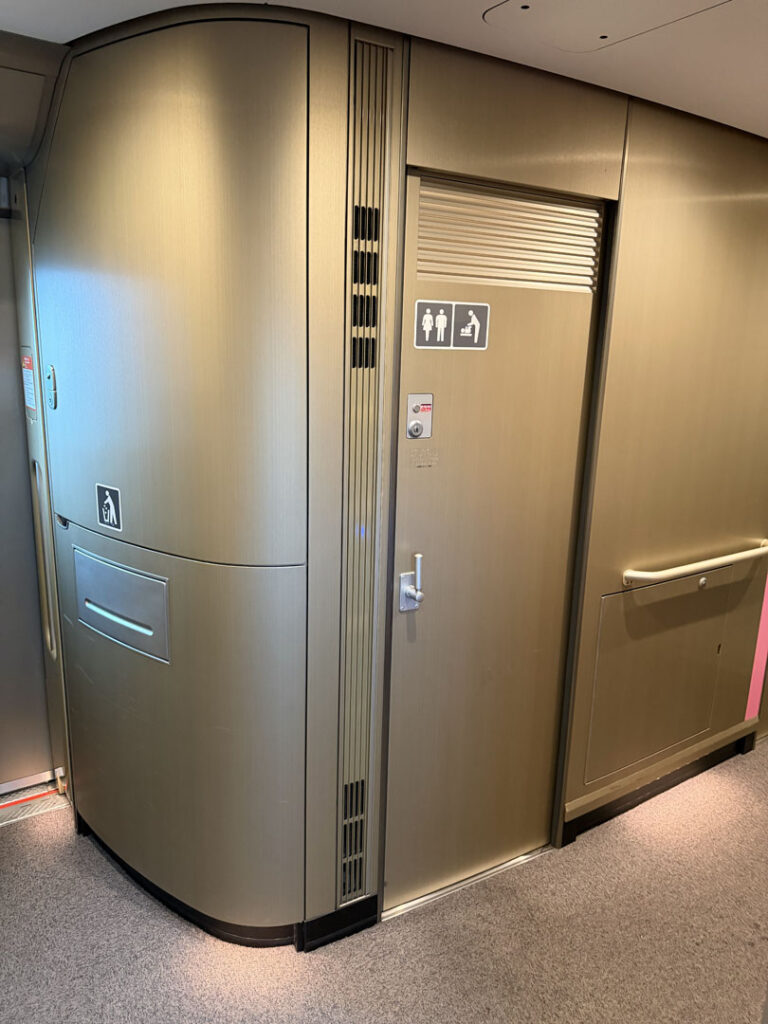
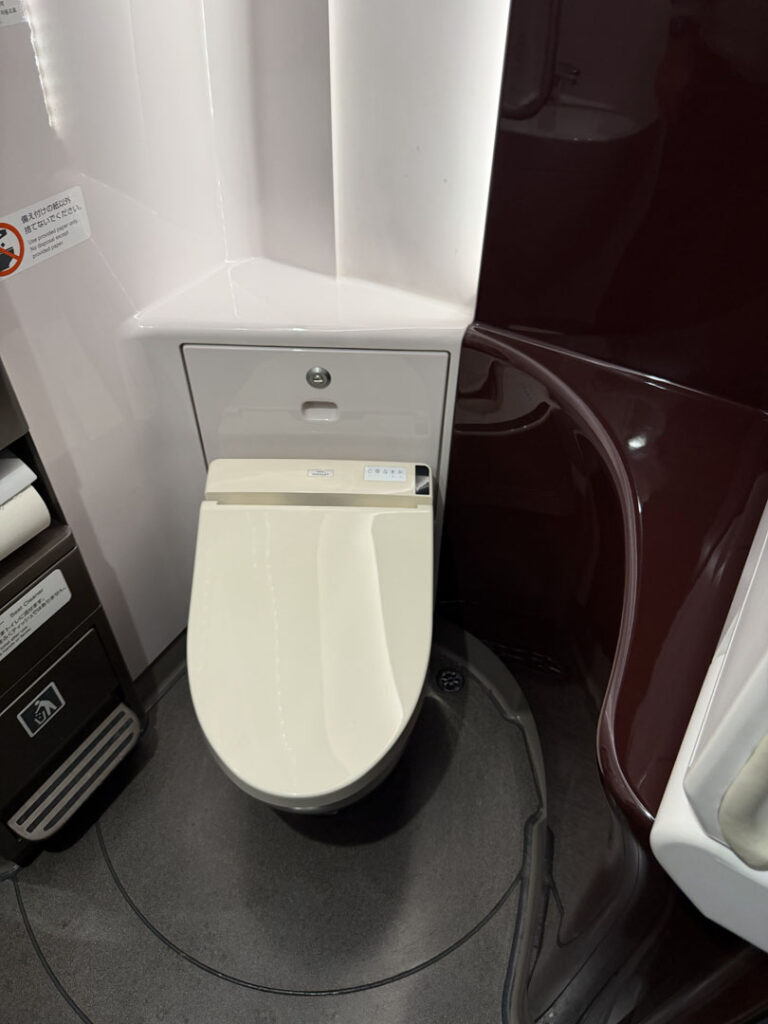
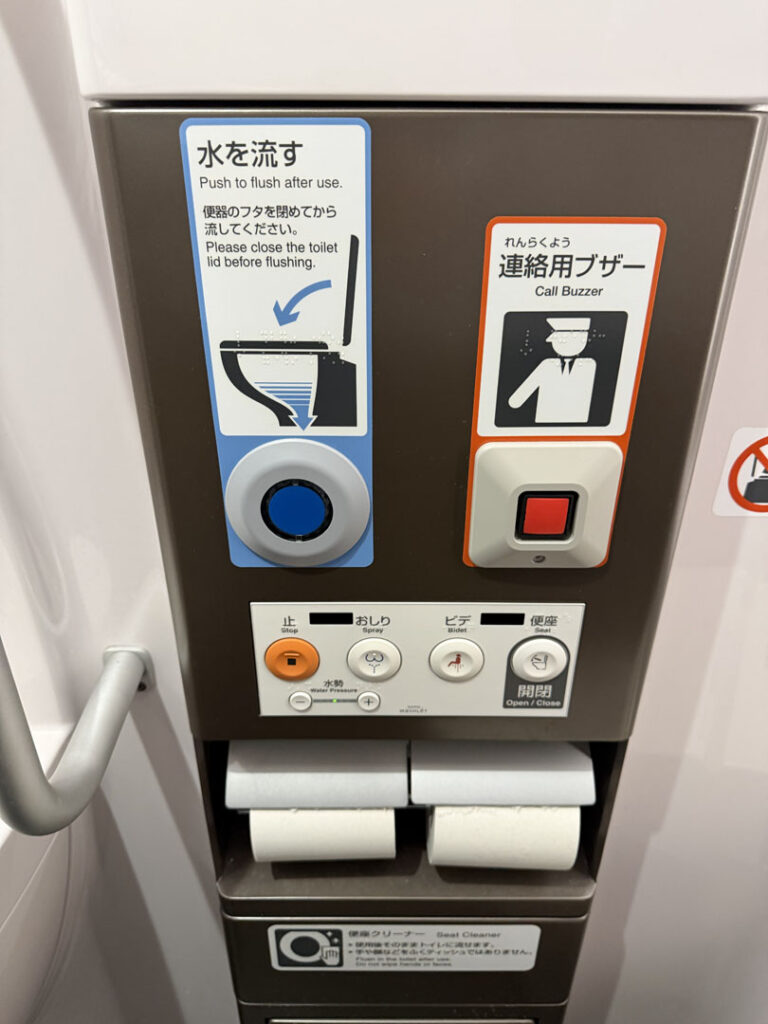
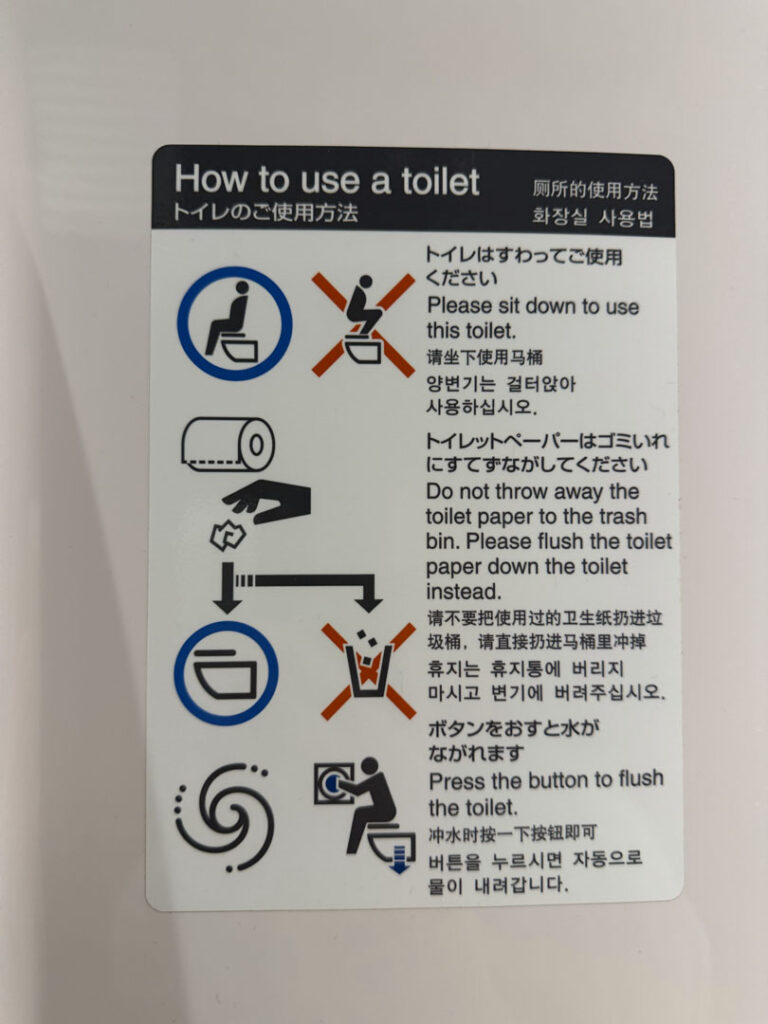
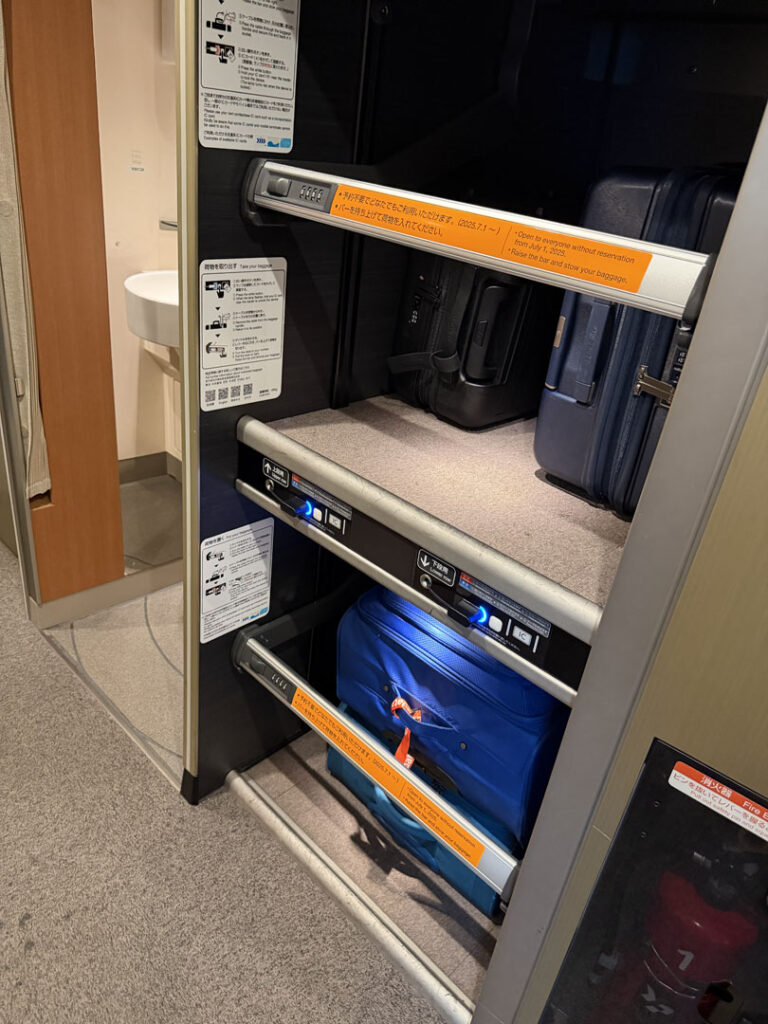
The facilities on the bullet train are equally impressive. There was a space for large suitcases at the back of our car, charging ports in our seats, and a bathroom which was clean and private.
For those who have not visited Japan before, an entire article can be dedicated to their toilets.
They provide a range of functions at the touch of a button – including washing and drying your business end, without you having to leave the seat.
Getting off the train at your destination is as easy as getting on.
You walk through a gate which scans your ticket and are greeted by more train lines, subway lines, shops, restaurants, and stores.
South Africa’s bullet train
A bullet train is not a new concept to South Africans, as the government has long been discussing the development of one in the country.
A high-speed rail framework was first discussed in 2010 under the former Transport Minister, Sibusiso Ndebele, and was again promoted by President Cyril Ramaphosa in 2019.
More recently, in 2023, the “Limpopo-Gauteng Speed Train Project” was announced. The project then entered a feasibility study and environmental impact assessment in mid-2025.
The expected launch of this bullet train is scheduled for 2030, and it is being led by the Department of Transport, in collaboration with the Gauteng and Limpopo provincial governments, as well as private investors.
However, a bullet train requires a highly secure and functional railway system due to the fast speeds of the trains and the second-perfect schedules they run on.
This is a challenge in South Africa, as the country’s railway systems are run by state-owned entities Transnet and PRASA, which have historically underperformed.
Years of underinvestment and corruption have hindered Transnet’s ability to provide freight services across the country, while PRASA has struggled similarly in the passenger rail sector.
The security of people using public transport in South Africa is another major issue to solve.
Violence between taxi drivers and e-hailing drivers—such as Uber—has left people scared to use either service.
Ubers and taxis would be needed to get from one’s home to a train station for long journeys.
Attacks on trains in South Africa have also left commuters stranded in the past. This includes a massive arson attack in Cape Town in 2019, where 18 train carriages were gutted.
For a bullet train to operate at a world-class level in South Africa, these challenges must be addressed first.
