


South Africa is facing an increased risk of social unrest due to the combination of climate shocks, poor governance, and inadequate risk planning.
A relevant example is the convergence of a drought with the water supply and infrastructure challenges facing parts of South Africa, which could spark widespread protests.
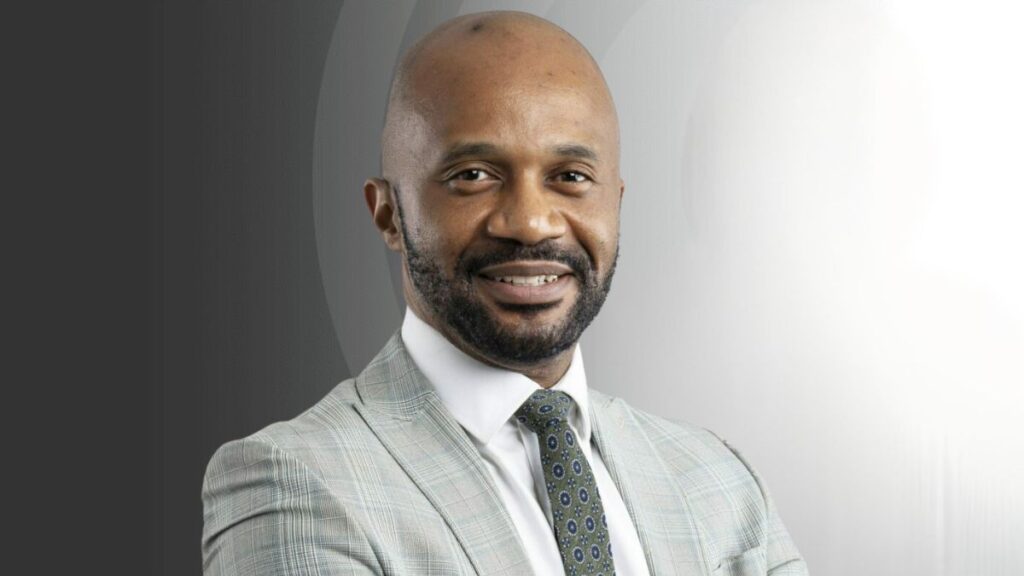
This is the warning from Muzi Dladla, Executive Manager at Sasria. Sasria (South African Special Risks Insurance Association) is a public enterprise listed under Schedule 3B of the Public Finance Management Act No 1 of 1999.
They are a non-life insurance company that provides special risk insurance to government institutions such as municipalities, hospitals, schools, private organisations and individuals.
This insurance covers damage caused by special risks such as politically motivated malicious acts, riots, strikes, terrorism and public disorders.
Speaking in an interview with Kaya Biz, Dladla cautioned that while the market sentiment for 2026 may appear positive on the surface, these signals mask structural risks that could lead to widespread instability if left unaddressed.
He said that the experience of the 2021 unrest and mass looting is a prime example of how quickly social shocks can overwhelm the country when systems fail.
Dladla warned that South Africa is entering what risk experts have described as a “polycrisis”—a scenario where multiple crises unfold and compound one another.
“The compounding effect of all of them happening at the same time leads to a much bigger crisis,” he said.
According to Dladla, indicators suggest that in the next few years, particularly in the next seven years, there are some very serious risks that South Africa at least plan for to avoid unrest.
Dladla explained that climate risk is a major trigger. South Africa’s semi-arid climate is becoming increasingly volatile, with longer and more intense wet and dry cycles.
While floods have dominated recent headlines, he said the greater danger is the dry spells. “When we move to the other side of El Niño, the dryness… that is what I’m really, really worried about.”
He warned that prolonged drought could escalate beyond environmental damage into mass social unrest.
“We’re not only going to have dryness like lack of rain. We’re going to start having agricultural drought, then hydrological drought, and that’s when it becomes a socioeconomic drought,” Dladla said.
There needs to be a plan and action
Referring to Cape Town’s near-Day Zero crisis, he said such scenarios mean you open the taps and there is no water, creating direct pressure on households rather than infrastructure alone.
Dladla stressed that these scenarios disproportionately affect people, heightening the risk of unrest. “It’s going to affect human beings more than it affects infrastructure,” he said.
“The question then is, are we ready?… I can tell you we’re not ready.” He pointed to water shortages in Gauteng, flooding in multiple provinces, and extreme heat affecting agriculture as early warning signs of what lies ahead.
Dladla further explained that a lack of knowledge is not the heart of the problem but a failure of coordination and governance.
“South Africa does have all the answers. We know what to do, but we just don’t have enough systems from a governance perspective to make sure that we’re able to do that,” he said.
He added that municipalities are struggling, risk financing is fragmented, and disaster responses are largely reactive.
Dladla stressed that without early warning systems, social safety nets, and coordinated risk financing, climate shocks could quickly spill over into unrest. “You layer risk — it’s a basic principle of risk management,” he said.
“Social safety net is the first thing you do. That takes care of everybody else.” Without it, he warned, crises could cascade into electricity failures, economic paralysis, and community conflicts.
