


South Africans are in the grip of an ever-deepening cost-of-living crisis that has driven them to their knees, forcing households to make heartbreaking purchasing decisions every month.
Behind this is a deadly combination of debilitating living costs that have spiralled out of control, infrastructure that is failing them, poor job creation and wages that fall far short of rising inflation as prices for electricity, water, education, and food continue to outstrip overall inflation.
Low-income households now spend a shocking 40% (or more) of their income on necessities. These pressures are forcing lifestyle changes, including reduced discretionary spending and increased reliance on debt, setting the scene for a nation of debt-ridden taxpayers who have reached the end of their tether.
According to the Competition Commission’s inaugural Cost of Living Report, electricity prices have increased by 68% and water by 50% over the past five years, far exceeding the general inflation rate of 28%.
A Balancing Act
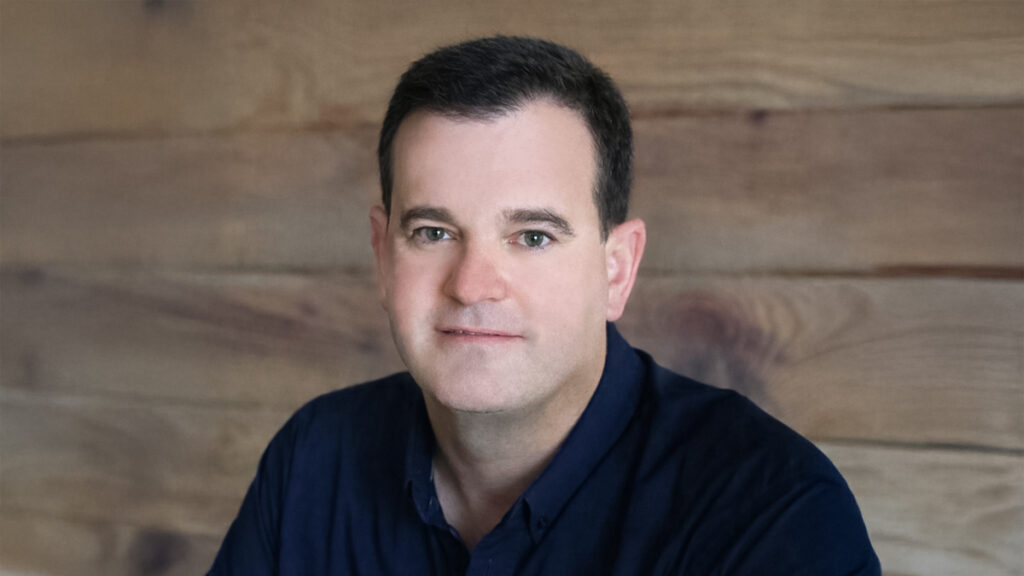
Neil Roets, CEO of Debt Rescue
“Life has become a painful balancing act for South Africans – especially those in the lower income bracket,” says Debt Rescue CEO Neil Roets. “It is simply not sustainable to have an economy where millions of households are forced to choose between putting food on the table or keeping the lights on,” he cautions.
Income falling short
The Pietermaritzburg Economic Justice and Dignity group (PMBEJD) January 2026 report reveals that low-income workers spend over 57%—sometimes exceeding 60%—of their earnings on transport and electricity.
This means that a worker earning R4 836 per month is left with roughly R1 974 for all other expenses, including enough food to meet a nutritious diet. Thieir wage falls short by over R1 700 – which, by all accounts, is being covered by getting deeper into debt in some way.
A glaring reflection of the failing economy is that income has not kept pace with price hikes over the past few years, driven partly by high inflation. This ongoing mismatch underscores that headline inflation figures alone do not capture daily hardship.
“The impact of this on South Africans does not need to be spelt out,” says Roets. “We see the effects everywhere we turn. Severe food insecurity, reduced purchasing power, rising debt, and a mounting feeling of mental and emotional distress among people from all walks of life. This comes through loud and clear in our most recent Debt Rescue survey stats, showing that 34.9% of people polled feel extremely stressed and anxious, while 29.3% feel worried and 23.1% are completely overwhelmed by their financial situation.”
Heavy Debt Load
South Africans walked into 2026 carrying a heavy debt load, due to the deadly combination of ever-escalating living costs, stagnant wages, and high interest rates that have forced millions of households to rely on credit, including expensive, short-term loans, to cover essential expenses like food, fuel and electricity.
National Treasury recently announced plans to stabilise the debt burden in the 2025/26 fiscal year, acknowledging the unsustainable nature of the state’s debt burden and growing debt service costs.
“A concrete turn-around plan is needed urgently, because, at the risk of sounding like a broken record, if the economy doesn’t recover, we are in deep, deep trouble – and trouble for the economy spells trouble for the consumer,” warns Roets.
Taps running dry
As though life isn’t tough enough for the man on the street, the country is now grappling with a worsening water crisis driven largely by failing municipal infrastructure, as a result of decades of neglected maintenance, and financial mismanagement.
As always, it is the most vulnerable who suffer the most in times of crisis, only this time lives are quite literally at stake.
The crisis has led to chronic water shortages in several major metropolitan areas and provinces, with Gauteng, Eastern Cape and KwaZulu-Natal being the most heavily affected – prompting President Cyril Ramaphosa to take the problem out of the hands of local government and firmly on the backs of Minister of Water and Sanitation Pemmy Majodina and Minister of Cooperative Governance and Traditional Affairs (Cogta) Velenkosini Hlabisa to urgently addressing the water crisis.
Despite this, the problem is likely to remain the same or worsen, according to Governance expert and political analyst Professor Andre Duvenhage.
Where to from here?
“The answer lies in prioritising the sokonnect,” says Roets. “The urgency of this cannot be stressed enough right now.”
Job creation is at the top of these pressing priorities. South Africa’s official unemployment rate stands at an unsustainable 31.9% according to Statistics South Africa and Trading Economics, and youth unemployment remains critically high, between 45-60% depending on the definition used.
While government’s Operation Vulindlela (Phase II) is firmly in execution mode, showing, tangible albeit slow, progress in structural reforms designed to boost South Africa’s economy and create jobs, the latest government report fails to reassure regarding progress pertaining to job creation, instead focusing on the success achieved with regard to regulatory progress relating to electricity and water reforms.
“This is exactly the point,” Roets emphasises. “While I understand government’s intent on finding long-term solutions, ignoring the plight of its citizens while their heads are under water, is much like painstakingly tending to the garden while the house burns down,” he points out.
The deepening cost-of-living crisis lies at the core of the country’s social turmoil, and it requires a coordinated reset that tackles both immediate household strain and the structural weaknesses of the economy.
In the short term, this means protecting the most vulnerable through stronger oversight of administered prices such as electricity and municipal services, and sustained efforts to curb food prices.
Longer-term relief measures would include accelerating energy reform to stabilise supply and costs, reducing barriers to small business expansion, and prioritising labour-intensive sectors that can absorb South Africa’s unemployed at scale, such as the tradesmen, agriculture, construction and the retail and hospitality sectors.
“Restoring dignity and stability to households must become the central metric of economic policy — not simply achieving a lower headline inflation number. Without bold structural reform and sharper social protection, the cost of living crisis risks becoming a permanent feature of the South African landscape rather than a passing phase,” Roets declares.
“Otherwise we risk this scenario becoming our ‘new normal’, bringing with it a truly terrifying future,” he concludes.
