

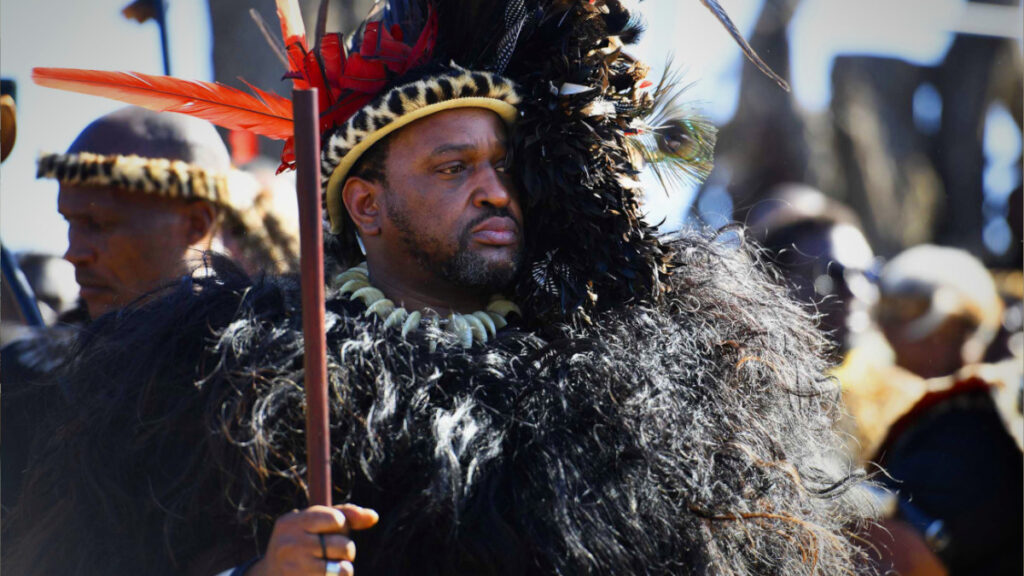
President Cyril Ramaphosa recently announced new salaries and allowances for traditional leaders and members of traditional houses in South Africa, including kings and queens.
According to a notice in the Government Gazette, traditional leaders and members of traditional houses received a 4.1% increase in remuneration for the 2025/26 financial year, backdated effective April 1 2025.
This increase will result in a king or queen’s salary exceeding R1.4 million a year.
The Department of Traditional Affairs is responsible for overseeing traditional affairs and supporting the development of traditional communities in South Africa.
The South African government stated that the National House of Traditional Leaders (NHTL) aims to enhance the role of traditional leadership in the country and serves as an advisory body to the national government.
In addition to the national house, the Eastern Cape, Free State, KwaZulu-Natal, Limpopo, Mpumalanga, and North West have their own provincial houses of traditional leaders.
Traditional leaders usually engage more at the local level, particularly in rural development strategies, supported by legislation to ensure their contribution to societal progress.
Traditional councils can participate in development initiatives and form partnerships or service agreements with government agencies across all levels.
The latest gazetted remuneration in South Africa encompasses various roles, ranging from full-time to part-time positions within both national and provincial houses of traditional leaders.
Recognised kings and queens are allowed to receive an annual salary, determined by the president and based on recommendations from the Independent Commission for Remuneration of Public Office Bearers.
Note: NHTL = National House of Traditional Leaders | PHTL = Provincial House of Traditional Leaders
| Position | Annual Salary 2025 |
|---|---|
| King/Queen | R1,445,704 |
| Principal Traditional Leader: PTL | R1,330,052 |
| Chairperson: NHTL | R1,088,162 |
| Full-Time Chairperson: PHTL | R896,253 |
| Full-Time Deputy Chairperson: NHTL | R832,280 |
| Full-Time Deputy Chairperson: PHTL | R768,090 |
| Full-Time Member: NHTL | R484,008 |
| Full-Time Member: PHTL | R414,904 |
| Senior Traditional Leader | R315,909 |
| Headmen/Headwomen | R135,740 |
Part-time members are allowed to be paid sitting allowances, which range from R1,403 to R2,112 per sitting.
In addition to sitting allowances, the gazetted notice indicated that part-time members are also entitled to their salaries as Traditional Leaders, as well as subsistence costs, and transport costs for attending official meetings, seminars, workshops, and conferences.
What a King earns in South Africa
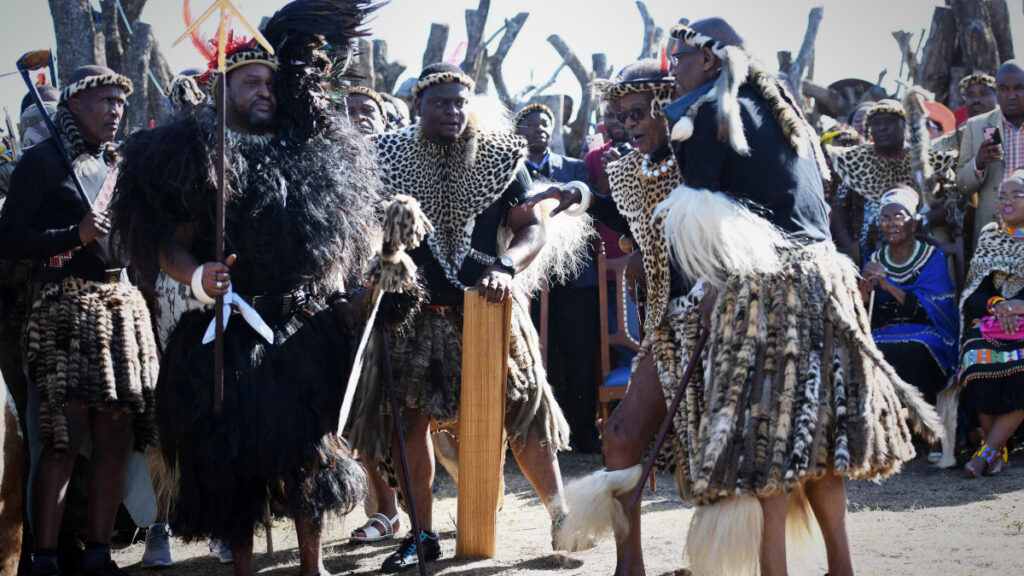
South Africa has only a few officially recognised kings, each receiving the highest salaries and associated benefits among traditional leaders.
Fringe benefits are typically given to all traditional leaders by their respective provincial governments.
However, there is no specific information available on the benefits each province provides to their kings as this differs from province to province.
In 2010, the South African government only recognised six official kings in the country. The recognised kingships were noted in the Government Gazette of 2010.
- AbaThembu: King Buyelekhaya Zwelibanzi DaJindyebo
- AmaXhosa : King Mpendulo Calvin Sigcau.
- AmaMpondo : King Zanozuko Tyelovuyo Sigcau.
- AmaZulu: King Zwelithini Goodwill Zulu
- AmaNdebele of Manala and AmaNdebele as a whole: King Enock Makosonke Mabhena
- Bapedi ba Maroteng
All other kingships are expected to end with the passing of their incumbent rulers, and their successors are to be recognised by the relevant premiers as “principal traditional leaders.”
The current rulers are:
- King Misuzulu KaZwelithini has been recognised as the king of the amaZulu Kingship.
- King Vulikhaya kaXolilizwe is the current king of the amaXhosa people.
- King Buyelekhaya Zwelibanzi is the reigning king of the AbaThembu kingdom.
- King Enock Makhosoke II Mabhena is the reigning king of the amaNdebele nation.
- King Silosohlanga kaDakhile Sigcau has been recognised as king of the AmaMpondo aseQaukeni.
There is an ongoing dispute over the succession to the Bapedi Kingdom, currently playing out in the country’s courts.
Over the last ten years, a king’s salary has increased from just over R1 million in 2016 to just under R1.5 million in 2025.
| Year | Annual salary | Change |
|---|---|---|
| 2016 | R1,126,057 | – |
| 2017 | R1,033,438 | -8.2% |
| 2018 | R1,126,057 | +8.9% |
| 2019 | R1,206,147 | +7.1% |
| 2020 | R1,239,918 | +2.8% |
| 2021 | R1,239,918 | 0% |
| 2022 | R1,277,116 | +3.0% |
| 2023 | R1,354,892 | +6.0% |
| 2024 | R1,388,764 | +2.5% |
| 2025 | R1,445,704 | +4.1% |
