

With record fuel price hikes hitting South Africa this week, several groups, including the International Energy Agency (IEA), are offering up practical ways to cut petrol and diesel bills.
South African motorists and fuel users were hit with a record increase in petrol and diesel prices on Wednesday (1 April).
The per litre cost has hit R23.36 and R25.35 for Petrol 95 and wholesale diesel 0.005%, respectively—the latter of which is the highest price on record.
Early data from the Central Energy Fund (CEF) has brought even worse news, with fuel price recoveries setting South Africans up for another staggering hike in May.
South Africa is not alone in its anguish; many countries around the world are looking to address the crisis.
To this end, the IEA published a report on rising global oil prices in March, offering suggestions on how to mitigate the impact on consumers.
While many of the suggestions address commercial users or industries that rely heavily on diesel, the report also points to steps consumers can take in their day-to-day.
These include:
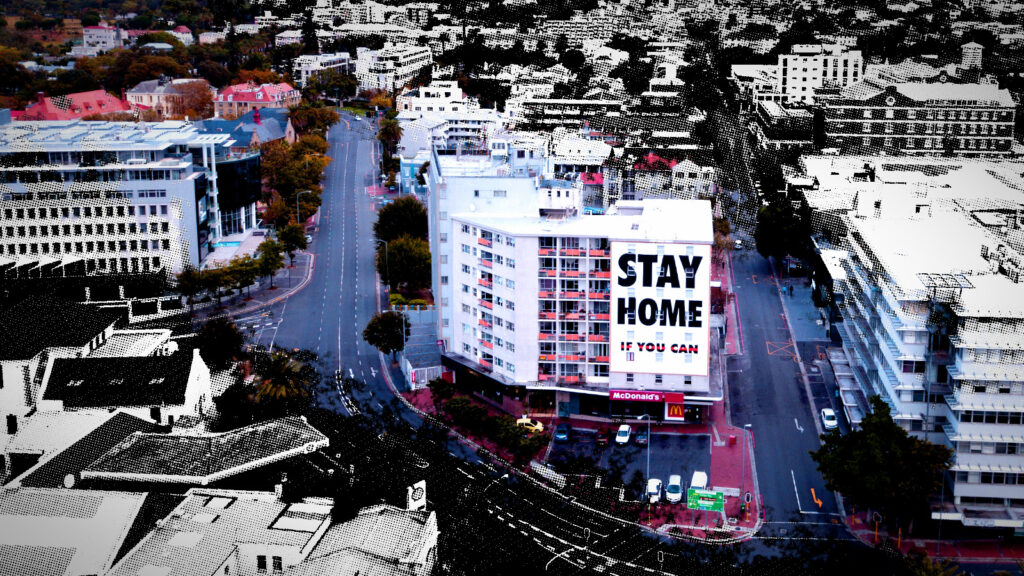
Work from home where possible
Working from home can significantly reduce commute-related fuel consumption, the IEA said.
At the national level, three additional remote workdays for those whose jobs allow it could cut car consumption by 2%-6%, with average potential reductions of around 20% for individual drivers.
Reduce speed limits on highways by at least 10 km/h
The IEA said that lowering the speed limit on highways by 10 km/h can reduce an individual driver’s fuel consumption by 5% to 10% and overall private-car use by 1% to 6%.
Heavy freight trucks can save around 5% due to their already lower speeds, it said.
Carpool where possible
The report noted that carpooling increases car occupancy and relieves road congestion, reducing travel times and car usage.
“When combined with eco-driving measures, including checking tyre pressure, adjusting air conditioning settings, and efficient driving practices, fuel demand for cars can be reduced by around 5% to 8%,” it said.
In addition to the main consumer-focused suggestions, the IEA pointed to additional measures, such as increased use of public transport, limiting access for private cars in large cities, and a host of tips for commercial and industrial users.
South Africa has done this before

While the IEA’s suggestions are general and not aimed at any specific market, Head of Personal Lines Underwriting at Santam, Marius Kemp, said that many are applicable in South Africa.
Some, such as reducing driving speeds, have even been adopted as national policy in the past.
“During the 1973–1974 oil crisis, which resulted from the Yom Kippur/October War, South Africa restricted freeway speeds to 80km/h,” said Kemp.
While the national government has not suggested this as a solution, reducing speeds will save fuel and help make roads safer.
Kemp noted that the IEA’s carpooling suggestion would also ease pressure on fuel reserves and save money by sharing the running costs of travel.
More broadly, the COVID-19 pandemic and hard lockdowns prepared many companies for extended periods of remote work, which could be re-adopted during times such as these.
The government has already floated work-from-home as a possible way to offset the massive fuel price hikes—though it stressed that it was a broad suggestion rather than an official policy stance.
Where the government is moving to make official changes is in direct and broader interventions to shield South Africans from the price hikes.
Ahead of the April price hikes, the National Treasury announced that fuel levies would be cut by R3 per litre for the month, reducing the increases to R3.06 per litre for petrol and R7.51 per litre for diesel.
However, this is a temporary measure, with the R6 billion cost of the intervention to the fiscus to be recovered later.
More broadly, the Department of Petroleum and Mineral Resources said it is working on a set of “phase 2” interventions to address the country’s fuel pricing structures.
Speaking to the SABC, Minister of Petroleum and Mineral Resources, Gwede Mantashe, said his department is moving slowly and avoiding panic.
He said that the government is looking at a three-month period for its interventions, with the immediate relief—the R3 per litre tax cut—giving the state one month of breathing room.
