
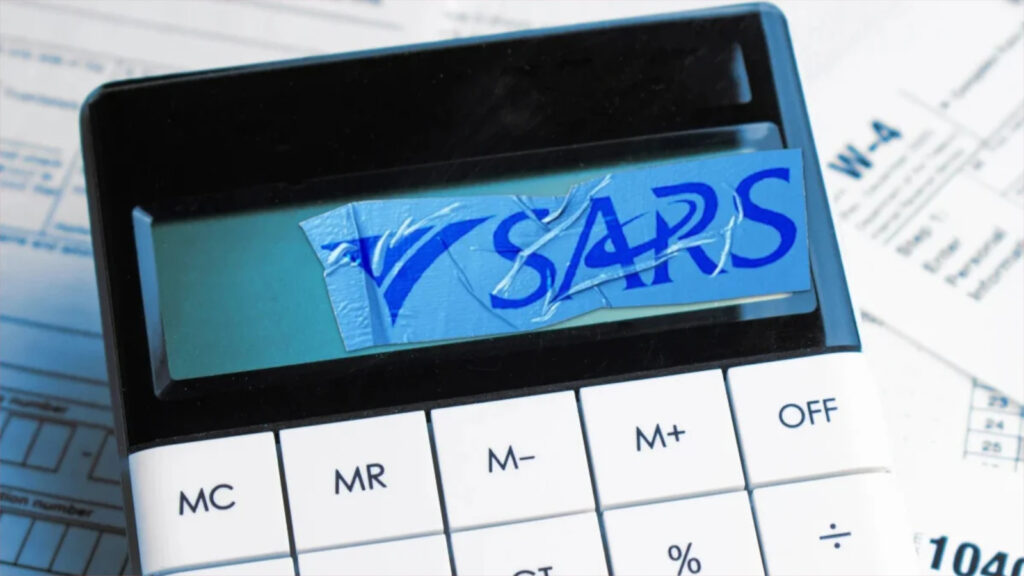
The South African Revenue Service (SARS) says time is up for non-compliant trusts in the country, with penalty notices set to start being sent out in May 2026.
This follows a public notice published on 27 March 2026, which listed the non-submission of income tax returns by trusts as an instance of non-compliance.
This non-compliance is now subject to an administrative penalty under section 211 of the Tax Administration Act, 2011 (TAA), it said.
SARS said that these administrative penalties may be imposed on taxpayers who fail to comply with an obligation under a tax Act, and are designed to encourage compliance.
“From 4 May 2026, SARS will issue a penalty assessment notice (AP34) to notify taxpayers of administrative non-compliance penalties that have been imposed for outstanding trust income tax returns,” it said.
The penalties will apply to trusts with outstanding income tax returns (ITR12T) for tax periods from 2024 onwards.
All trusts, whether economically active or passive, are required to submit annual income tax returns.
This obligation is an operation of law and is applicable to every registered resident trust, without exception, and certain qualifying non-resident trusts.
SARS said the penalty assessment notice sent to trusts will reflect the imposed penalties, the outstanding income tax returns for which tax periods, and the corrective measures to be followed to prevent recurring penalties.
It added that the penalties can be applied consistently and may recur monthly until corrected.
“Taxpayers are advised to submit a request for remission if they do not agree with the penalty imposition,” the service added.
The move to penalise non-compliant trusts follows SARS issuing final letters of demand to trusts in February.
A final demand requires urgent action from the recipients; ignoring it results in an escalation of penalties, which are now due to roll out in May.
Trusts under the microscope in South Africa
SARS has made an aggressive push to clamp down on trusts in South Africa, including sniffing out their beneficiaries and trustees.
This has been done to increase its oversight of trusts as part of broader anti-avoidance measures.
“Overall, this reflects a deliberate move by the Commissioner to bring all resident trusts into the filing and compliance net administered by SARS,” said Tax Consulting SA.
According to the group, the taxman has made it unmistakably clear that every resident trust must register for income tax and submit annual returns, without exception.
“Dormant? Unfunded? Inactive? Waiting for a bequest? It makes no difference,” it said.
The tax experts noted that many trustees are uncertain about the legal requirements to register for tax due to a misconceived rule of thumb that where there is no income, no assets or no activity, there is no need to register for tax.
However, this is “simply incorrect”.
“SARS is unequivocal that all trusts must register with SARS for Income Tax, whether they are resident or non-resident, active or passive, regardless of transactions or income,” they said.
Dormancy also does not suspend the obligation, and not having a bank account or not trading also does not absolve a trust—or its trustees.
“SARS emphasises that the responsibility for obtaining, maintaining, and updating accurate trust information rests exclusively with the trustees,” it said.
The tax experts noted that the core misunderstanding about whether resident trusts should register for tax or not, is assuming that economic activity triggers tax registration.
“For trusts, it does not. The obligation arises from existence plus tax residency, not from income,” they said.
“SARS wants trusts visible from inception. Trustees should ensure that visibility is in place. Those who delay registration are not exercising caution; they are exposing themselves to risk.”
