

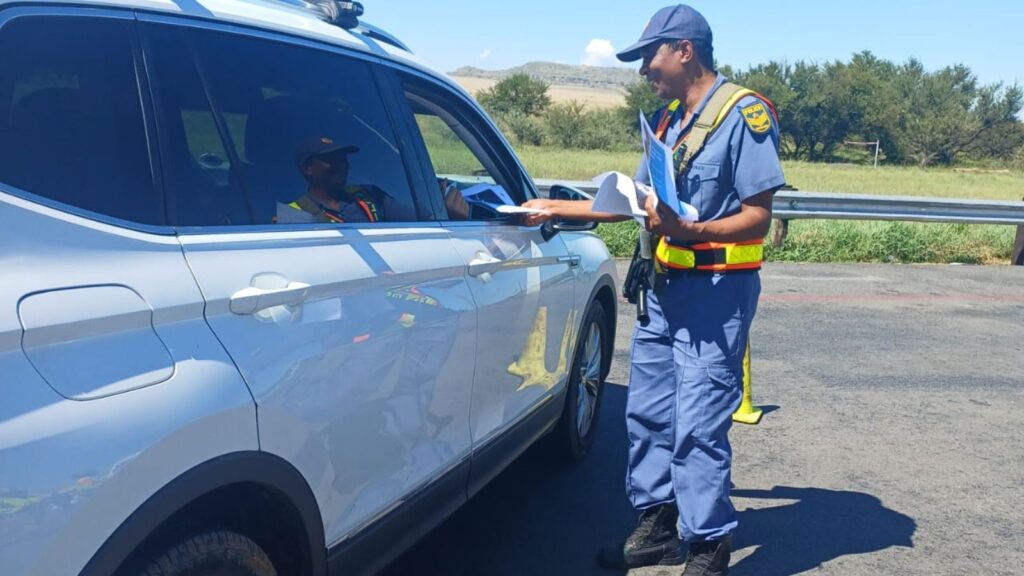
South Africans are being warned that traffic police will be out in full force over the Easter weekend, with the country’s major highways in the crosshairs.
However, traffic police will also execute surprise patrols at times and on routes nobody expects them to cover—looking to clamp down on non-compliant vehicles and focus on pedestrian safety.
This is the message from Transport Minister Barbara Creecy during her address at the launch of the 2026 Easter Road Safety Campaign.
Creecy said the festive season remains one of the most dangerous periods on South Africa’s roads, even as the country has shown encouraging progress in reducing crashes and deaths so far this year.
“This season is a time of spiritual reflection and family reunion, yet it remains one of the most hazardous times on our national road network,” she said.
“Our mandate is clear, which is to ensure that every South African who sets out on a journey returns home safely.”
According to Creecy, preliminary figures for the period from 1 January to 15 March show the lowest number of road fatalities in six years.
Crashes over that period declined by 11% compared with the same period in 2025, while fatalities were down by 10%.
She said every province recorded a drop in crashes, with six of South Africa’s provinces recording declines in deaths.
These provinces included Gauteng, Western Cape, KwaZulu-Natal, Mpumalanga, North West and the Eastern Cape. However, despite the good news, she warned that authorities are not easing up.
“This progress was not accidental; it is the direct result of coordinated law enforcement, strategic partnerships with civil society, and a shift in the collective consciousness of our road users,” she said.
Focusing on the Easter weekend, Creecy said authorities will focus heavily on major freight and passenger corridors, with the N1, N2, N3 and N4 specifically identified as high-risk routes.
Bad news for those looking to avoid roadblocks
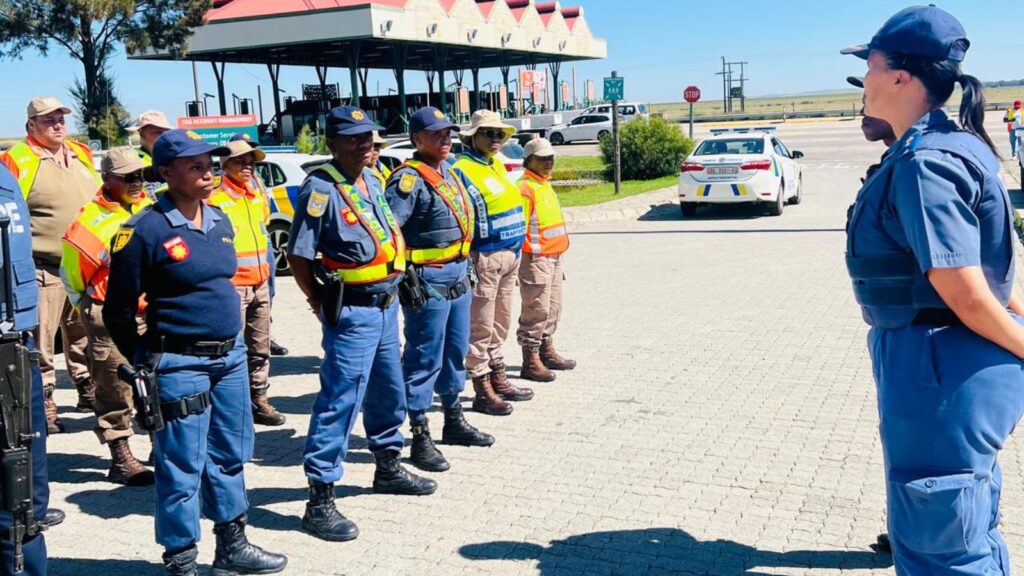
Creecy said these roads will see an “unprecedented saturation” of both mobile and static checkpoints as the department intensifies policing with the National Traffic Police.
However, motorists trying to avoid major routes and official checkpoints are also firmly in the department’s crosshairs.
“As we deploy our traffic officers, road safety educators and communicators, we are also aware that some road users will try to thwart our policing efforts by re-routing their travel onto secondary roads,” Creecy said.
“Through round-the-clock monitoring of traffic trends, we will be able to monitor such diversions. Our plans are agile and will follow traffic patterns and allow for surprise patrols at times and routes nobody expects us to cover.”
That means drivers can expect enforcement not only on national highways, but also on alternative and secondary roads often used to dodge roadblocks.
A major focus this year will be the condition of vehicles on the road. Creecy said authorities are especially concerned about public and freight transport.
She noted that current NATIS data shows 342,048 vehicles—mainly minibuses, buses and trucks—are not roadworthy, while 338,659 professional driving permits have expired.
She said vehicles found with defective brakes, worn tyres or steering faults will be impounded immediately.
The department is also taking a tougher stance on severely non-compliant vehicles in general.
Any vehicle found with three or more critical faults—including leaking engine oil, defective lights, faulty brakes, worn tyres, cracked windscreens or expired licences—will be taken off the road on the spot.
“We are engaging with the taxi and bus industries to address these worrying figures and ensure vehicle roadworthiness,” she said.
At the same time, the department will continue its intensified focus on drunk driving, fatigue management, illegal operations and broader non-compliance, particularly as cross-border traffic volumes rise during April.
Creecy urged road users to take personal responsibility. “Our call to the nation is to use the roads responsibly and respect each other,” she said.
