

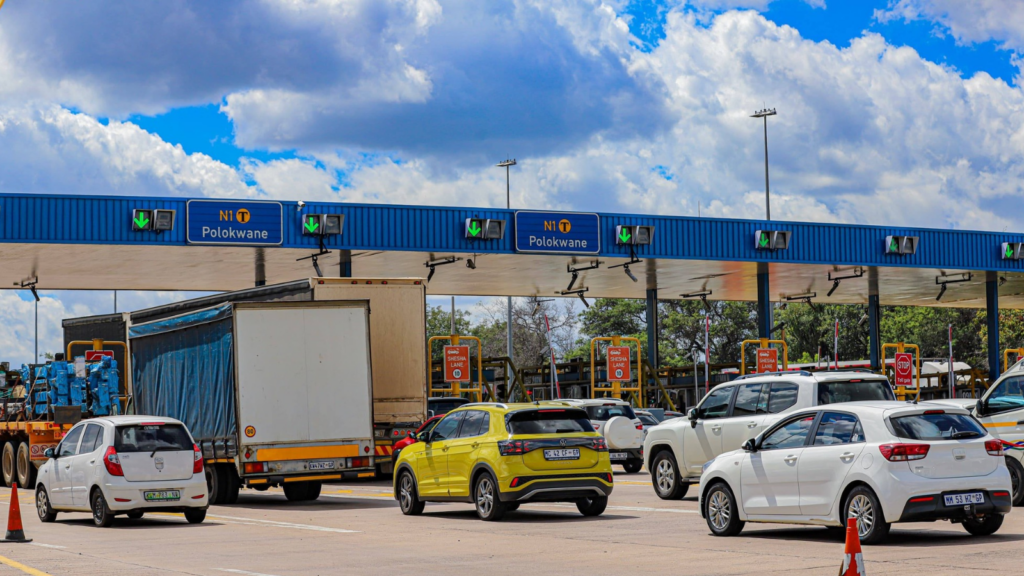
Transport Minister Barbara Creecy’s road safety statistics showed a significant decline in fatal crashes over the 2026 Easter period.
While this is positive, the Retail Motor Industry Organisation (RMI) has stressed that the government should focus more strongly on vehicle roadworthiness.
The Department of Transport reports that road fatalities have fallen by more than 18% and fatal crashes by almost 17% compared to the same timeframe last year.
The RMI has praised government and law enforcement for their enhanced measures, which involved extensive roadblocks, heightened visibility, and stricter enforcement on dangerous routes.
“Any reduction in road fatalities is encouraging and must be recognised,” said RMI CEO Ipeleng Mabusela.
“The coordinated efforts by authorities, particularly around enforcement and awareness, are clearly having a positive impact.”
Despite how careful a driver can be, Mabusela warned that a vehicle that is not roadworthy poses a significant danger to drivers and travellers.
With the average age of vehicles on the road being 10.8 years, Periodic Vehicle Testing (PVT) has been frequently promoted by the RMI.
PVT is an effective measure to help decrease the estimated R205 billion annual costs associated with road accidents.
Mabusela pointed out that adopting a vehicle-first perspective was necessary, particularly given that the largest segment of the vehicle population carried the most risk yet was the least regulated.
During that Easter holiday, the Department reported that over 120 vehicles had been taken off the roads due to defects that rendered them unsafe to drive.
“This highlights the ongoing challenge of poorly maintained vehicles on South Africa’s roads,” said Mabusela.
“The fact that vehicles are still being removed from our roads due to critical defects is a clear indication that more needs to be done to promote regular vehicle maintenance and compliance.”
Mabusela urged that, as the Easter season comes to an end and the year moves forward, drivers make regular vehicle inspections and maintenance a priority.
He emphasised that road safety is a collective responsibility and that maintaining vehicles in a safe, roadworthy condition is a crucial aspect of this commitment.
The impact of unroadworthy vehicles
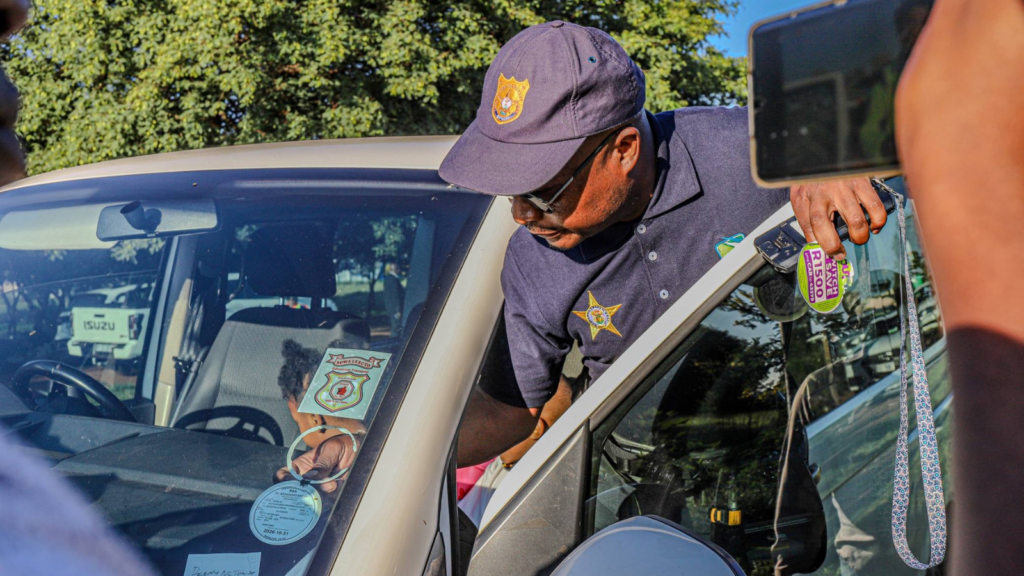
In 2025, civil action organisation OUTA released a report showing that 1.2 million vehicles on South African roads were recorded as unroadworthy, with a further 800,000 either unregistered or similarly unfit to be driven.
The economic consequences are severe. Road accidents cost the economy an estimated R205 billion each year, equivalent to 2.47% of South Africa’s GDP.
Despite efforts by the department, including over 21,000 speeding fines, 3,000 drunk driving arrests, and the impounding of 12,000 illegal vehicles by 2025, OUTA said these actions do not address the real issue.
“The Transport Department is urging drivers to take personal responsibility for safer roads, but OUTA believes that real change must start with government accountability,” said Senior Project Manager at OUTA, Rudie Heyneke.
According to the 2025 World’s Safest Roads report by Zutobi, South Africa remains the most dangerous country to drive in, with 24.5 road deaths per 100,000 people.
“We should be deeply concerned. This crisis is worsened by corruption in road safety enforcement, which allows thousands of unroadworthy vehicles to remain on the roads,” said Heyneke.
OUTA had already shared its report with Minister Creecy and the National Traffic Anti-Corruption Unit (NTACU), urging criminal prosecution for those involved.
However, it added that the decision to publish the report was made to ensure that the issue does not fade into obscurity.
According to OUTA, both those who issue and obtain fraudulent certificates are complicit and should face prosecution.
The organisation’s public release of the report is meant to galvanise authorities and ordinary South Africans into demanding greater transparency and integrity in the country’s vehicle testing and road safety systems.
