


The rand was stable on Friday, with its future direction likely to depend on the outcome of weekend talks between the US and Iran in Islamabad.
The rand traded at 16.3950 against the dollar, showing little change from its previous close of 16.3975. This risk-sensitive currency was set to end the week more than 3% stronger against the dollar.
The rand experienced a surge on Wednesday after US President Donald Trump announced a two-week ceasefire with Iran, retaining most of those gains since then.
Analysts indicated that while the market mood was “steady but nervous,” the rand’s movement would largely hinge on the talks in Islamabad this weekend.
On Friday, South Africa’s government sold 1 billion rand in 2031 and 2050 inflation-linked bonds, according to central bank data.
February’s manufacturing production figures, released on Thursday, showed that the sector was weak prior to the conflict in Iran.
Africa’s largest economy had started to gain momentum last year, and investor confidence was on the rise.
Just days before the outbreak of the Middle East conflict, the South African government projected that growth would accelerate to 1.6% this year. However, that forecast is likely to be revised downward.
On the Johannesburg Stock Exchange, the Top-40 index rose by 0.9%.
As of Monday, 13 April, the rand is trading at R16.55 to the dollar, R22.19 to the pound, and R19.35 to the euro. Gold is currently valued at $4,721.09 per ounce, while oil is trading at $102.3 per barrel.
5 important things happening in South Africa today
Goodbye physical bank cards: Four major banks in South Africa have reported continued strong growth in the use of digital wallets and virtual cards among customers, leading to a decline in the use of physical cards. [MyBroadband]
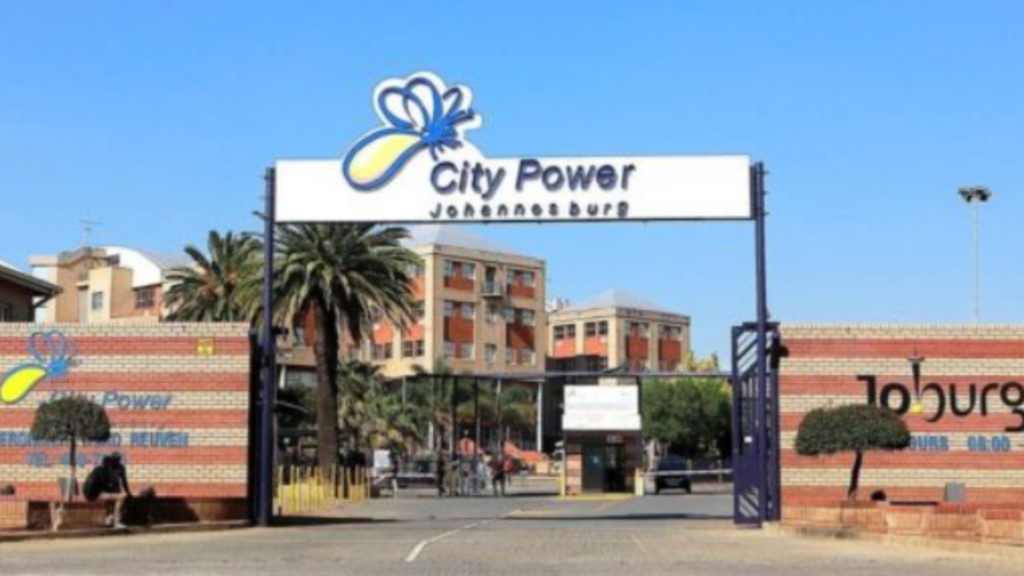
Johannesburg’s City Power taken to court: The National Bargaining Council for the Road Freight and Logistics Industry is suing Johannesburg’s City Power to reveal the findings of a meter billing investigation. [TimesLive]
Warning to companies using diesel: The road freight industry is warning of potential closures amid rising diesel prices. The Road Freight Association (RFA) noted that despite a recent cut in the fuel levy, diesel costs surged by about 32.5% at the start of April, adding to existing operational pressures.[BusinessDay]
The sector avoiding tax: A significant portion of small businesses in South Africa’s informal sector avoid direct tax due to a lack of registration with SARS or a reluctance to handle compliance, although many do meet the threshold and should contribute to direct tax. [DailyInvestor]
More foot-and-mouth vaccines received in Cape Town: The Western Cape government is continuing its fight against foot-and-mouth disease and has procured an additional 50,000 vaccines to help contain the outbreak. This follows the delivery of around 8,000 doses in March, bringing the total to approximately 170,000 doses received. [EWN]
