

South Africa is clamping down on imported goods from China to protect consumers from unsafe and poor-quality products flooding the local market.
Last month, the Department of Trade, Industry and Competition gazetted a new directive under the Standards Act of 2008.
The directive introduced a mandatory Pre-Export Verification of Conformity (PVoC) programme.
The system will require certain goods shipped from China to be tested and certified before they enter the South African market.
Under the new rules, importers must obtain a Certificate of Conformity (CoC) that confirms their products meet South African National Standards for quality and safety.
The South African Bureau of Standards (SABS) will oversee the assessment process, while customs and border authorities will enforce compliance using existing legal frameworks.
The PVoC programme is specifically targeted at unregulated goods—products that are not currently subject to compulsory specifications or formal regulatory oversight.
In its first phase, the programme will apply only to these categories in order to close the gap that has allowed substandard goods to enter the country.
The department said the move is necessary to address the growing influx of unsafe products reaching South African consumers.
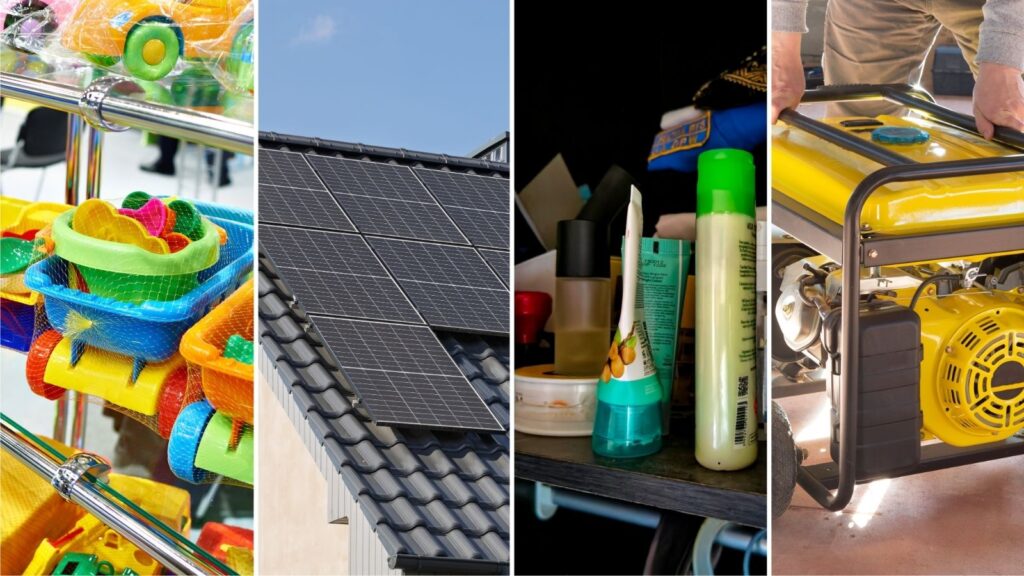
These include electrical appliances that can catch fire, toys that contain harmful chemicals, phone chargers that overheat or explode, and poorly manufactured furniture that fails prematurely.
By requiring verification before shipment, the programme seeks to intercept non-compliant goods before they arrive in the country, reducing risks to public safety.
The directive establishing the programme was published in the Government Gazette on 20 March 2026 and will come into effect around the end of September 2026.
Until then, a six-month transitional period will give businesses time to adjust their supply chains and compliance processes.
During this phase, the SABS said it would conduct risk-based and random inspections, verification exercises, and compliance checks to test systems and ensure operational readiness.
The types of products being targeted

The agency will also engage with stakeholders and run awareness initiatives to help both importers and exporters understand the new requirements.
A wide range of product categories has already been flagged for inspection and testing due to their potential impact on consumer health and safety.
Cosmetics and skincare products, including skin-lightening creams and hair relaxers, will be prioritised for laboratory testing to detect harmful substances such as mercury and hydroquinone.
Hygiene products like sanitary pads and baby diapers will also be assessed for absorbency and potential biological or toxicological risks.
Household items are another key focus area. Mattresses and foam products will be tested for flammability and emissions, while furniture such as bunk beds and office chairs will be evaluated for structural integrity to prevent accidents.
The programme also targets higher-risk technical and industrial goods. LPG accessories, including hoses and regulators, are classified as very high risk and will undergo intensive testing for leaks, pressure resistance and durability.
Building materials, such as solar panels, insulation, and underfloor membranes, and public safety products, such as pool covers, will be assessed to ensure they function properly in emergencies.
Despite the initial focus on China, the SABS stressed that the programme is not intended to single out any one country.
China has been chosen for the pilot phase because it is South Africa’s largest import partner and a major source of consumer goods, including many high-risk items.
Over time, the PVoC programme is expected to expand to other countries in a non-discriminatory manner, in line with international trade rules.
A full list of the initial products being targeted by the programme for inspection and testing can be viewed below.
