

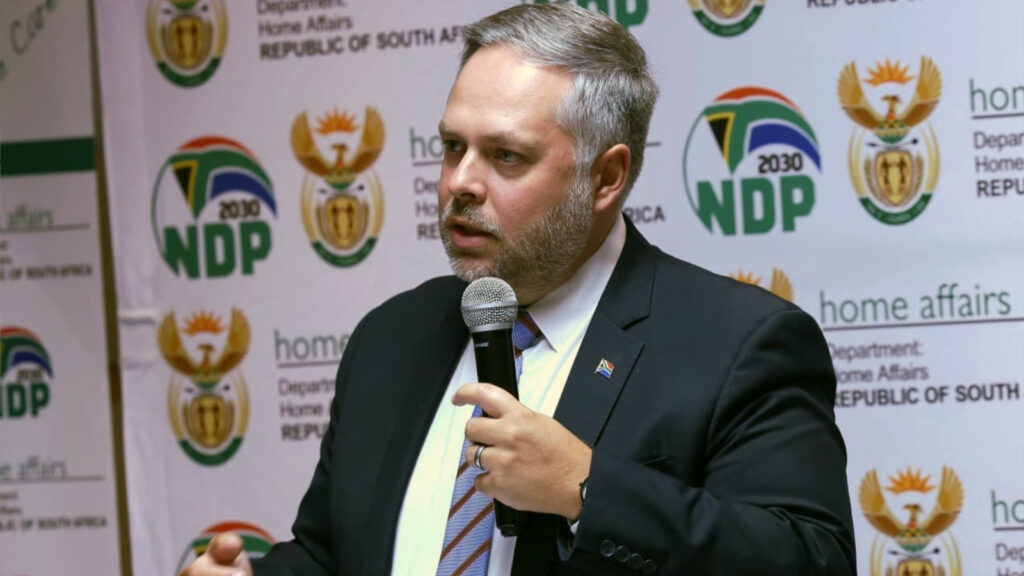
Home Affairs has scored a huge win after the Association of Communications and Technology NPC (ACT) withdrew a case against the huge fee increase to access the National Population Register.
ACT initiated a High Court review in December 2025 to set aside the fee increase using Home Affairs’ Online Verification Service (OVS).
The new NPR cost structure went live in July 2025, increasing the fee for identity verification checks from 15 cents to R10. The R10 fee would not apply during off-peak hours, dropping to just R1.
Home Affairs Minister Leon Schreiber said the fee increase was necessary because the 15-cent charge had not changed for over a decade.
The cost of maintaining and upgrading the system increased each year, which led to the Department’s inability to recover costs.
Schreiber said that the low-fee regime placed the system under extreme strain, leading to Home Affairs’ well-known downtime that the public suffers from.
The ACT previously said that its members played a vital role in ensuring compliance with the Regulation of Interception of Communications and the Provision of Communication Related Information Act (RICA).
“Unfortunately, the 6,500% increase in the cost of utilising the OVS will have a direct negative impact on the ACT members’ processes and ultimately consumers,” ACT said previously.
“This huge increase will make it far more expensive for network operators, banks and other companies to verify their customers’ identities.”
While the ACT filed legal papers in December 2025 in the Gauteng High Court to challenge the new fee structure, it has now withdrawn its application against Home Affairs.
Schreiber said that a number of mobile network operators that are members of ACT have now reached out to work with the Department to support the government’s digital transformation agenda.
This includes developing a new cutting-edge Digital Identity system that aims to deliver improvements in access, efficiency and security to South Africans.
The Minister added that since the fee increase, the Department has implemented major upgrades to the OVS, improving uptime to 99% and enabling real-time verification in seconds.
“I am excited that a number of mobile network operators have now committed to collaborating with us to tackle challenges and harness opportunities in this domain,” said Schreiber.
Mobile network operators and Home Affairs will now work together on identity verification for SIM cards and the rollout of Digital IDs.
A change of course
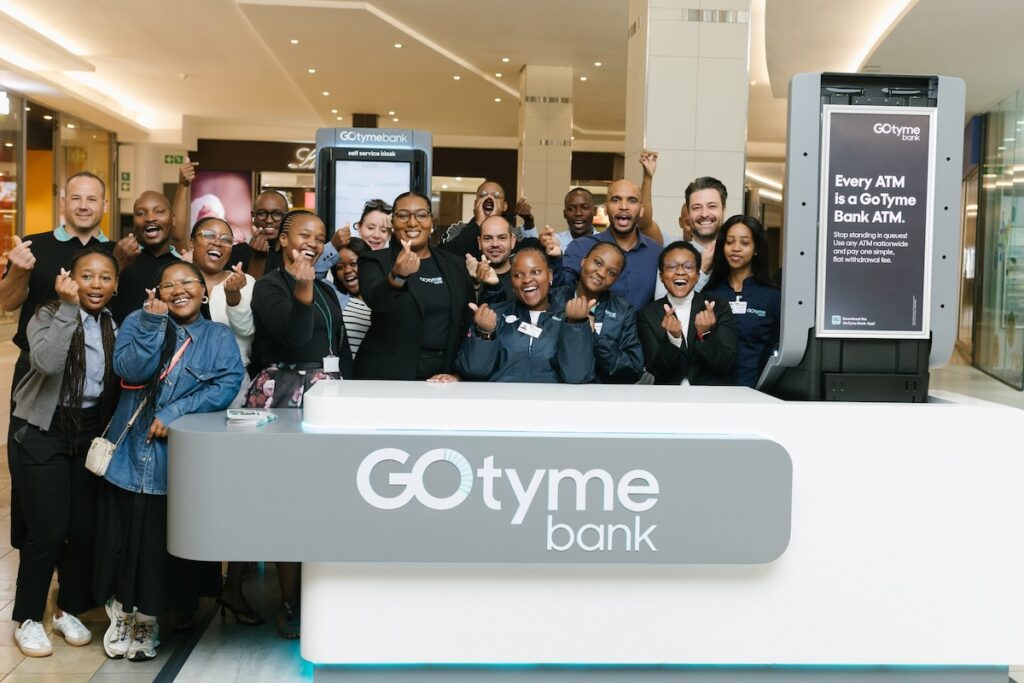
The change of course from telecommunication players stems from another shift in sentiment from major banking operation GoTyme Bank.
Tyme Group pleaded with President Cyril Ramaphosa, Minister of Finance Enoch Godongwana, and the Reserve Bank Governor Lesetja Kganyago to intervene in the proposed increase.
Coenraad Jonker, co-founder and CEO of Tyme Group, said the new structure would be detrimental and damaging to the entire banking industry.
Jonker said that the fee increase would be crippling for the banking industry and would have serious consequences for those serving vulnerable communities.
Schreiber was quick to criticise Jonker, claiming that the bank, worth billions, prioritised profits over the public good.
Speaking with BusinessTech recently, GoTyme CEO Cheslyn Jacobs said that, following the public spat, the bank and Home Affairs have been engaging over the proposed structure.
GoTyme Bank is also one of several banks in South Africa that are part of the Home Affairs initiative to expand Home Affairs services at bank branches.
The service has now expanded from around 30 branches in 2025 to 110, with Capitec leading the charge. Schreiber said that reform of the OVS system is crucial to the bank’s branch expansion plans.
“This reform is also at the heart of our new digital partnership model with the banking sector, which, just one month after it went live, already provides lightning-fast Smart ID services at 110 bank branches,” he said.
More branches are set to get Home Affairs services in the near future, with additional services also in the pipeline.
