

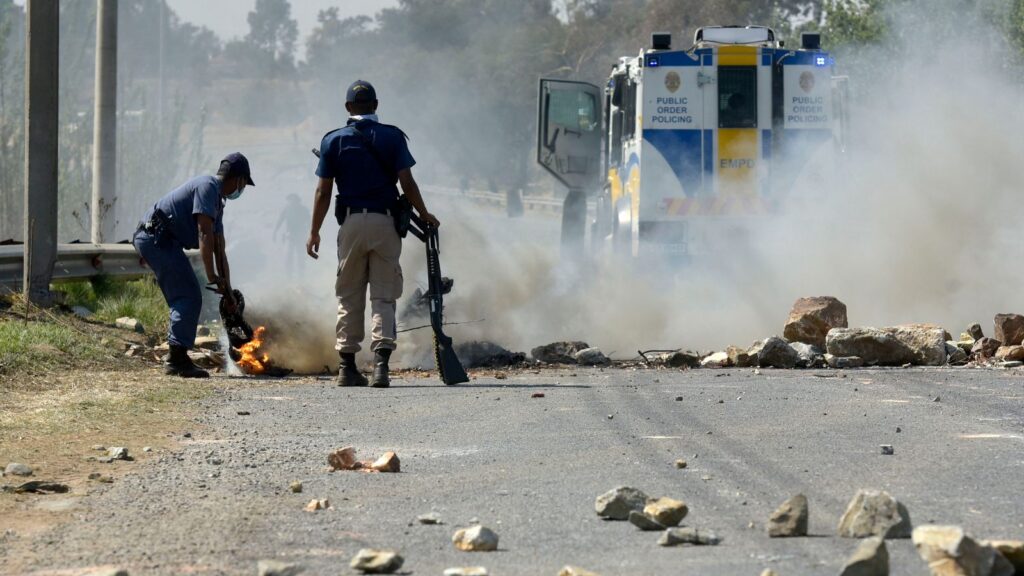
Residents of Hammanskraal, located north of Gauteng, were scheduled to meet with the City of Tshwane on Monday, 13 April, to discuss persistent water issues; however, the mayor they requested to speak with did not appear.
Water supply problems have left residents of Hammanskraal with either empty taps or, when water is available, water that is dirty and unsuitable for human consumption.
Frustrated residents had gathered at a local town hall on Monday, after stating they were only willing to be addressed by the mayor, Nasiphi Moya, and refused to be addressed by the MMC for Utilities, Frans Boshielo.
“The situation regarding water is not right in Hammanskraal. Those who get water will receive water for four hours, then the water disappears again,” community activist Katlego Mthombeni told eNCA on Monday.
Mthombeni said the residents needed the mayor to come and tell them what was really happening with the water issues, and that residents are demanding the truth.
“The people today didn’t want to cause any chaos; they were frustrated because the mayor didn’t come,” he said. However, he added that the people of Hammanskraal will revolt if issues are not resolved.
For the residents of Hammanskraal, the mayor’s absence was seen as a lack of accountability for their community, which has been waiting for many years to receive a clean, reliable source of water.
Civil action organisation OUTA said that since 2018, it had regularly arranged water tests in Hammanskraal, which were conducted by an independent laboratory.
This came after the company had been receiving complaints from residents about the community’s poor water quality.
“During July 2019, OUTA again tested the Hammanskraal water and again found it unfit for drinking. The tests showed a decrease in E. coli, but an increase in nitrate, which can be a health risk for babies,” said OUTA.
According to the South African Water Quality Guidelines for Domestic Use, the absorption of nitrate can lead to a condition called methaemoglobinaemia, which is particularly hazardous for infants under three months of age.
Years of water instability
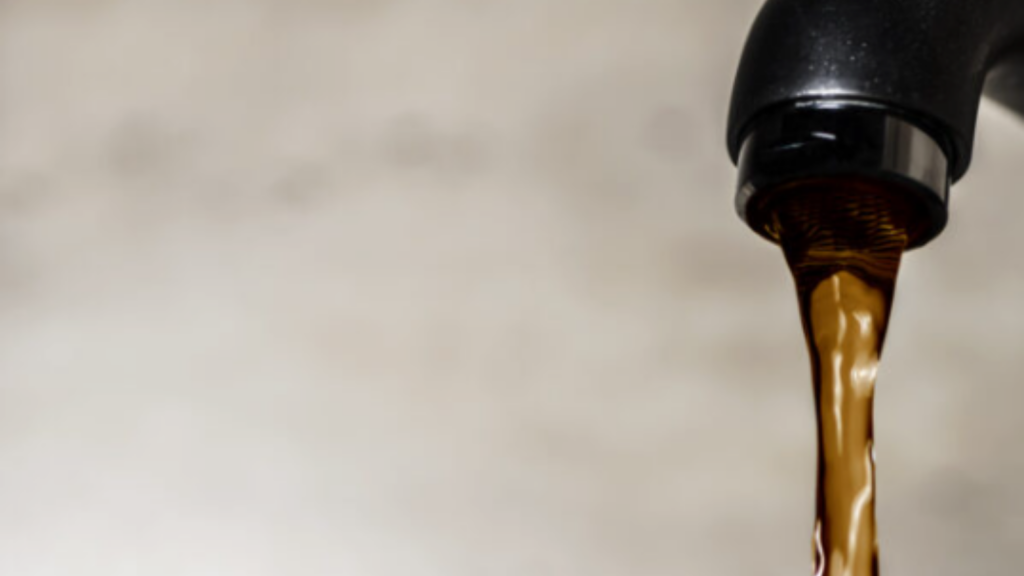
After OUTA’s water testing procedure in 2019, they wrote to the City of Tshwane, calling for action on the issue.
“The City, through the acting Municipal Manager, initially responded to OUTA by denying that there were any health risks and saying the water was for human consumption,” said OUTA.
OUTA repeated the water testing procedure later that year, in August 2019, and found traces of E. coli and nitrates in the drinking water again.
OUTA met with the City’s Section 79 Utility Services Oversight Committee to discuss the water quality and the test results.
The committee accepted OUTA’s statements and invited them to engage and collaborate with other stakeholders on a solution.
By this time, the South African Human Rights Commission was also raising the issues regarding the quality of water with the City.
In September 2019, the Hammanskraal Residents’ Forum attended a meeting of Parliament’s Portfolio Committee on Human Settlements, Water and Sanitation.
The chairperson addressed the Committee, and the deputy minister was directed to intervene. However, OUTA said it is unclear whether any action has been taken.
“In late October 2019, water quality deteriorated sharply. The City of Tshwane reported that there were complications at Rooiwal, which led to partially treated sewage being spilled into the Apies River,” said OUTA.
This was one of many problems which created a large water quality problem, causing sewage to contaminate the water further.
