


Johannesburg’s City Power has introduced a six-step application process for Small Scale Embedded Generation (SSEG) installations.
The Organisation Undoing Tax Abuse (OUTA) has slammed the new rules, noting that the process adds unnecessary costs, delays, and confusion for residents trying to secure reliable power.
City Power has introduced a revised six-step application process for Small Scale Embedded Generation (SSEG), which applies to residents and businesses wanting to install solar photovoltaic (PV) systems.
The utility said the changes are intended to streamline approvals and ensure compliance with municipal regulations, stressing that no solar installation can legally proceed without prior authorisation.
Under the new rules, applicants must first obtain an electricity supply application notification number, then submit a formal Solar PV application.
This is followed by a site inspection conducted by City Power before installation can begin.
Once the system is installed, customers must then submit a Certificate of Compliance along with a PV commissioning form, after which they must await both pre-approval and final approval letters from the utility.
While City Power maintains that the process will improve oversight and safety, OUTA argues that it will have the opposite effect.
OUTA believes the process discourages investment in rooftop solar at a time when many South Africans are turning to alternative energy out of necessity.
It said households and businesses are increasingly installing solar systems in response to an unreliable electricity supply and rising tariffs, not as a luxury upgrade.
The organisation said the additional steps, which require approvals and inspections both before and after installation, introduce unnecessary costs, delays, and administrative complexity.
According to OUTA, these requirements go beyond what is reasonable, particularly when installations are already carried out by qualified electricians.
These electricians are backed by a valid Certificate of Compliance that meets national safety standards. In such cases, it argued, further municipal processes add little practical value.
Causing confusion and making it harder for South Africans
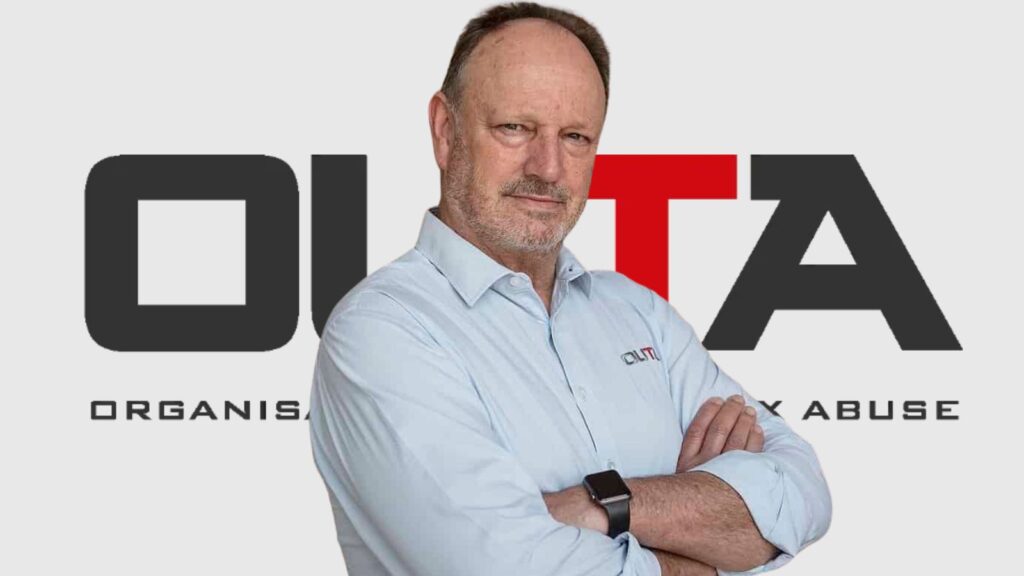
“Authorities should stop imposing processes that place unnecessary burdens on society,” said Wayne Duvenage.
“South Africans are investing their own money, within national safety compliance regulations, to keep the lights on. Adding layers of red tape only makes this harder.”
The organisation has also raised concerns about the effectiveness of existing systems, noting that many SSEG registration applications previously submitted to City Power have reportedly gone unprocessed.
OUTA said this calls into question whether the expanded requirements will be implemented efficiently—or simply create further bottlenecks.
Looking outside of Johannesburg, OUTA warned that a lack of alignment between municipalities is adding to the confusion.
Different rules and processes across the country are making it harder for consumers and installers to navigate the regulatory landscape, undermining confidence in the system.
The group called for a more practical and consistent approach nationwide, and urged municipalities to recognise valid compliance documentation and focus on essential safety requirements rather than excessive administration.
It has appealed to stakeholders, including Eskom and the City of Cape Town, to reconsider their approaches and reduce unnecessary barriers.
