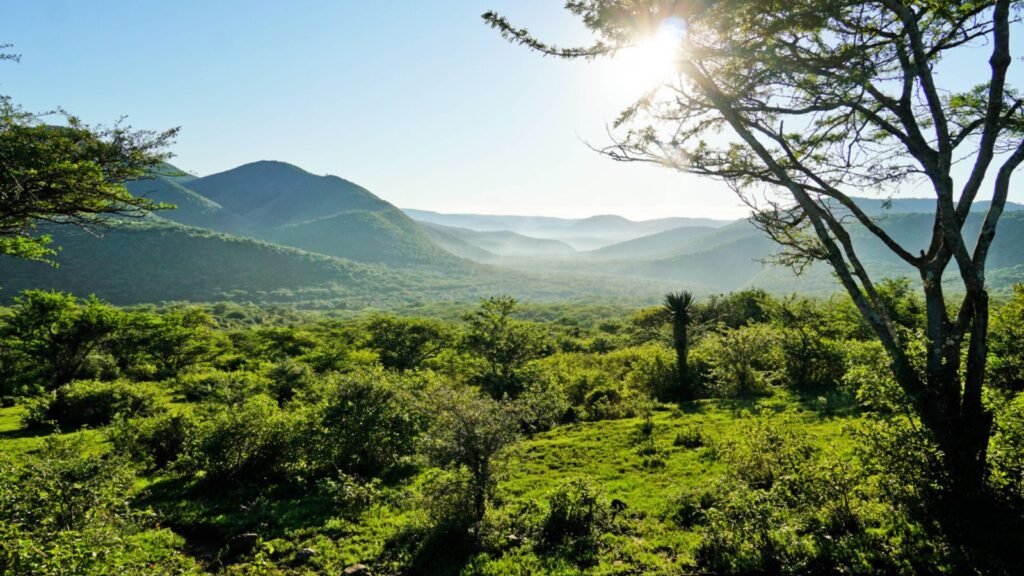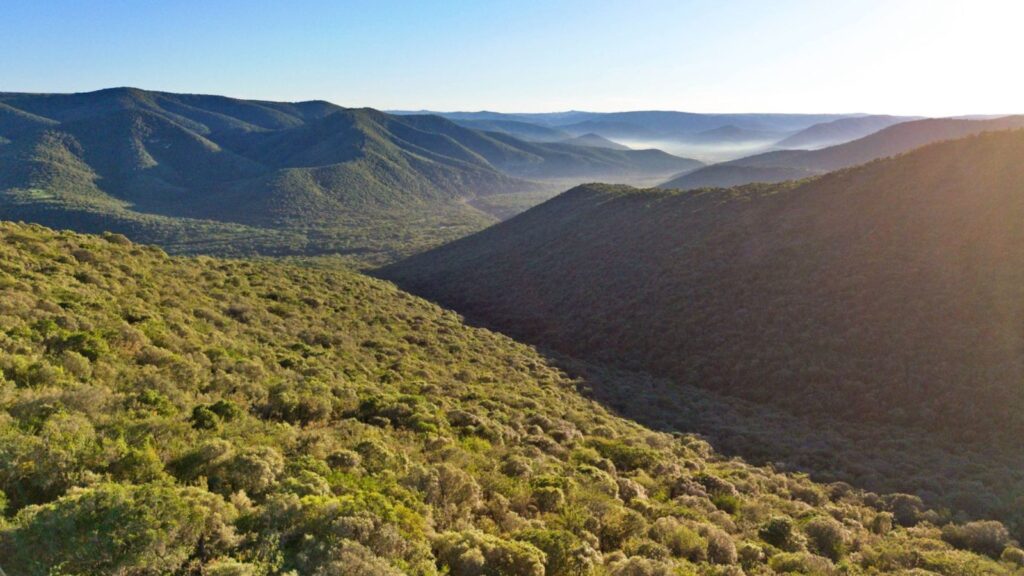

Tyityaba Nature Reserve, near Kei Mouth in the Eastern Cape, is looking to sell for $8.9 million (approximately R145 million).
The sale is offering what agents describe as a rare opportunity to acquire a protected reserve of significant scale near the seaside town of Kei Mouth.
Tyityaba Nature Reserve, located roughly 18 kilometres inland from Kei Mouth, spans about 13,000 hectares and has been formally protected since 2016.
Its status as a proclaimed reserve makes it the only property of its kind currently for sale in the area, adding to its appeal as both a conservation asset and an investment opportunity.
Kei Mouth itself sits along the Indian Ocean on the western bank of the Great Kei River, about 94 kilometres from East London.
Kei Mouth is increasingly drawing attention as a semigration destination. Retirees, remote workers, and young families are moving to the area in search of a more affordable seaside lifestyle, improved safety, and a community environment.
This shift is part of a broader trend across South Africa, where buyers are looking beyond major urban centres in favour of quieter, lifestyle-driven locations.
Demand is growing in areas like Kei Mouth, and its surrounding areas are seeing notable interest from both local and international buyers looking for nature-oriented living or to take advantage of the major shift in semigration trends.
Property experts have noted that investment properties in notable provinces such as KwaZulu-Natal and the Eastern Cape have seen a spike in demand.
This is mainly due to the highly competitive, expensive market in the Western Cape, and these two alternative provinces are seeing notable interest for their value-for-money.
This is a trend Tyityaba Nature Reserve is capitalising on. The property comprises 26 individual land portions consolidated under five title deeds, all unified within a single conservation framework.
“Tyityaba represents a significant and highly strategic landholding, brought to market at a scale rarely seen in South Africa,” said co-founder of Bass Property Group, Hanlie Bassingthwaighte.
“Beyond its immediate value as a large-scale hunting and conservation asset, its defining strength is structural flexibility.”
Seeing increasing interest from international buyers
She added that, with 26 portions across five titles, it presents true optionality—whether as a single-owner reserve or as a platform for a multi-owner conservation development aligned with proven Eastern Cape models.”
The reserve features approximately 26 kilometres of frontage along the Kei River and a total perimeter of about 81 kilometres.
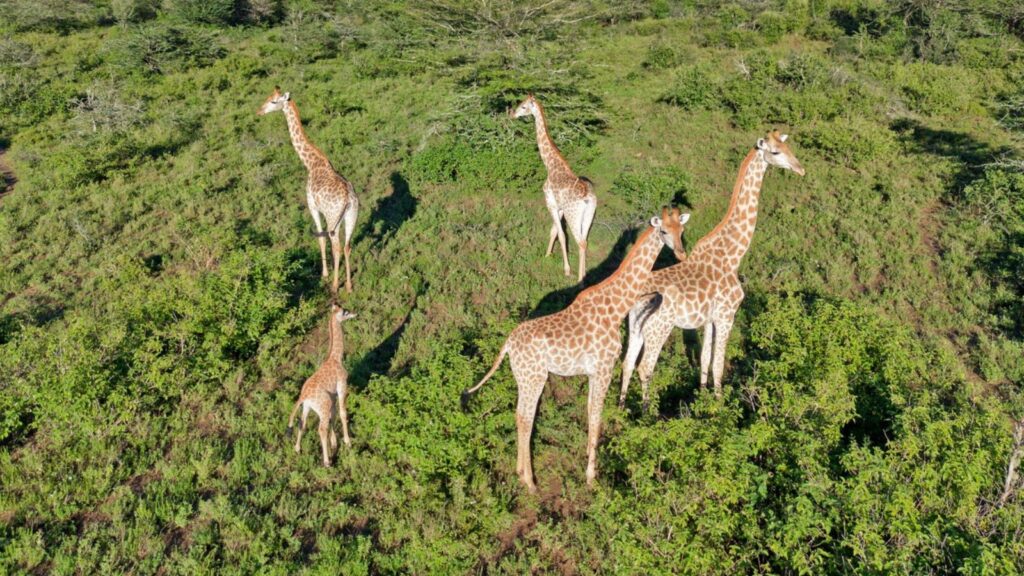
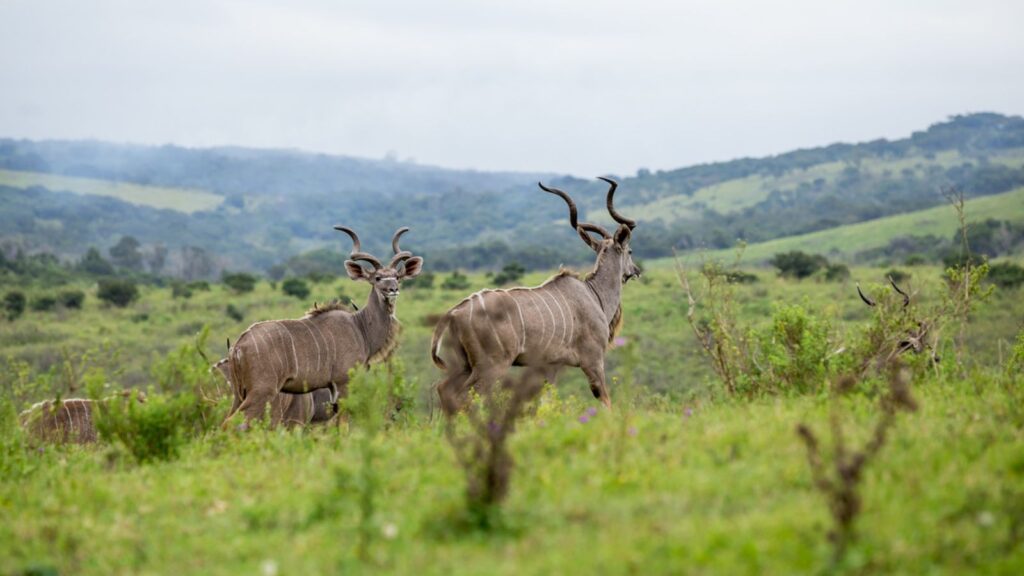
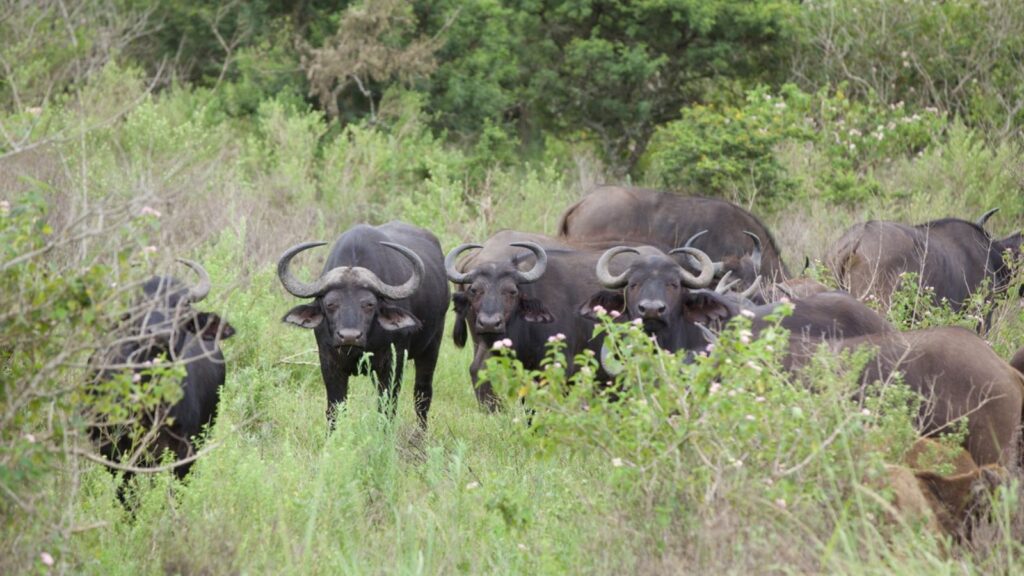
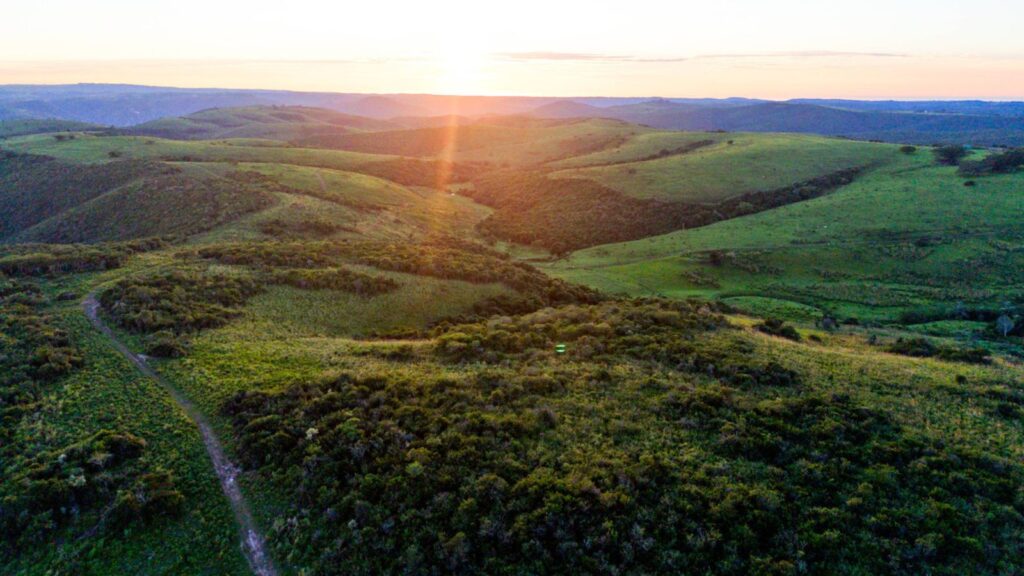
It comprises a diverse landscape of bushveld and riverine habitats. The reserve includes a wide range of wildlife, including buffalo, giraffe, zebra, blue wildebeest, kudu, eland, impala and nyala, along with abundant birdlife.
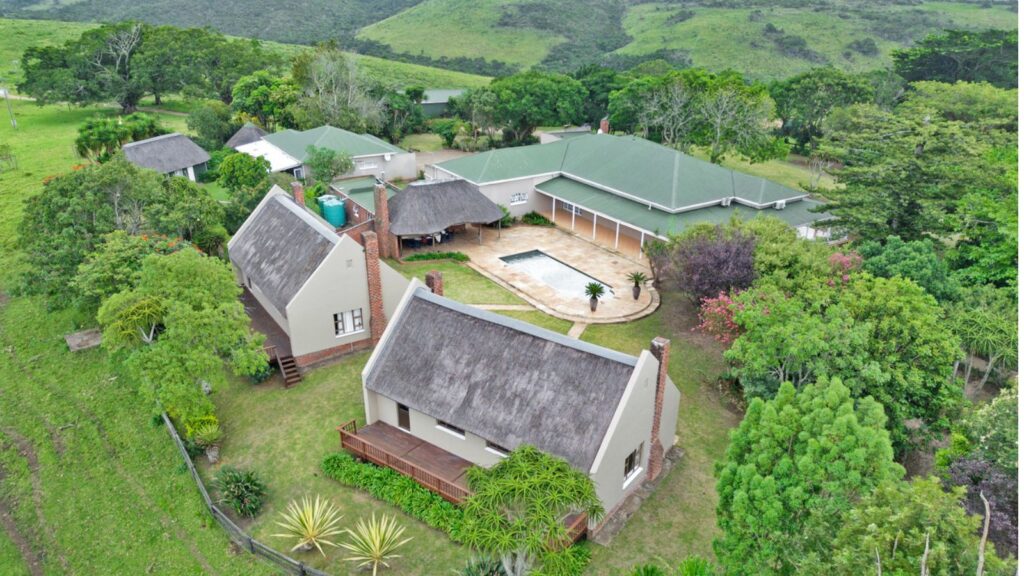
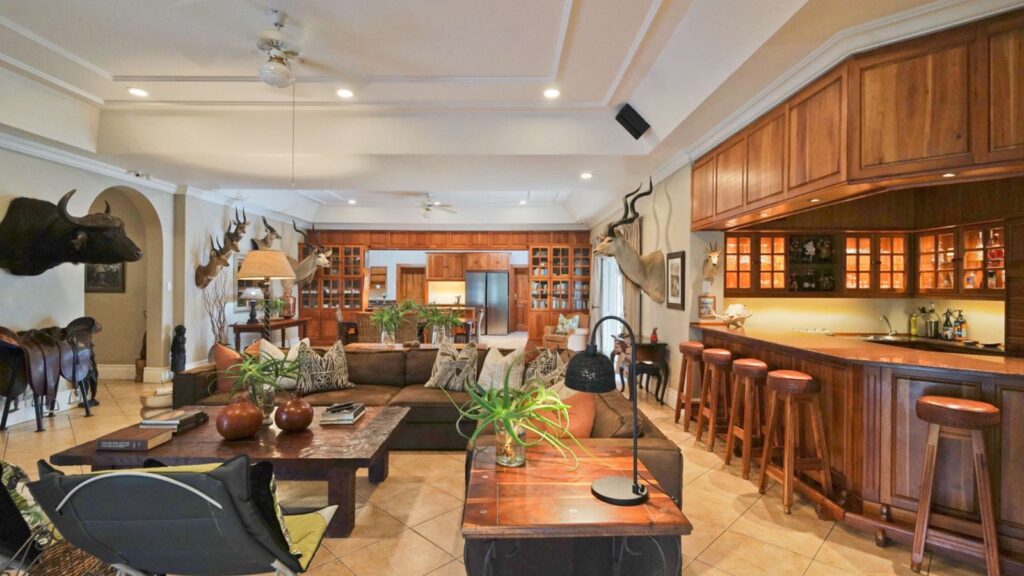
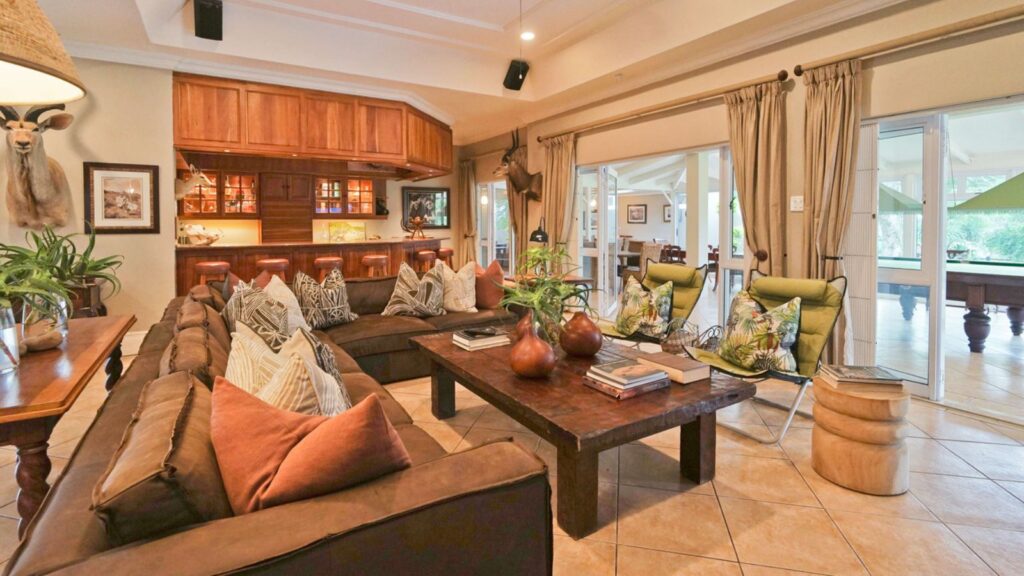
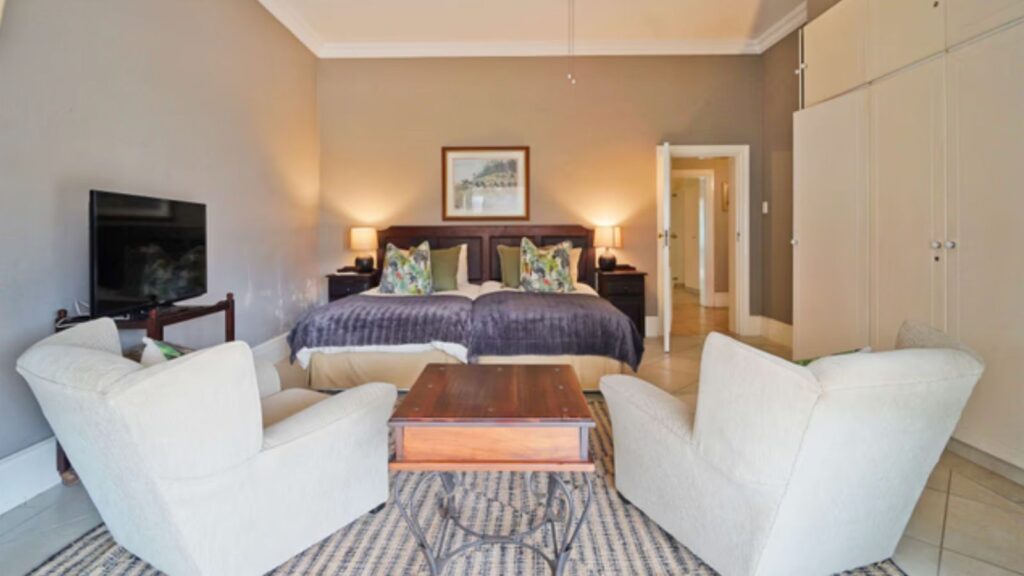
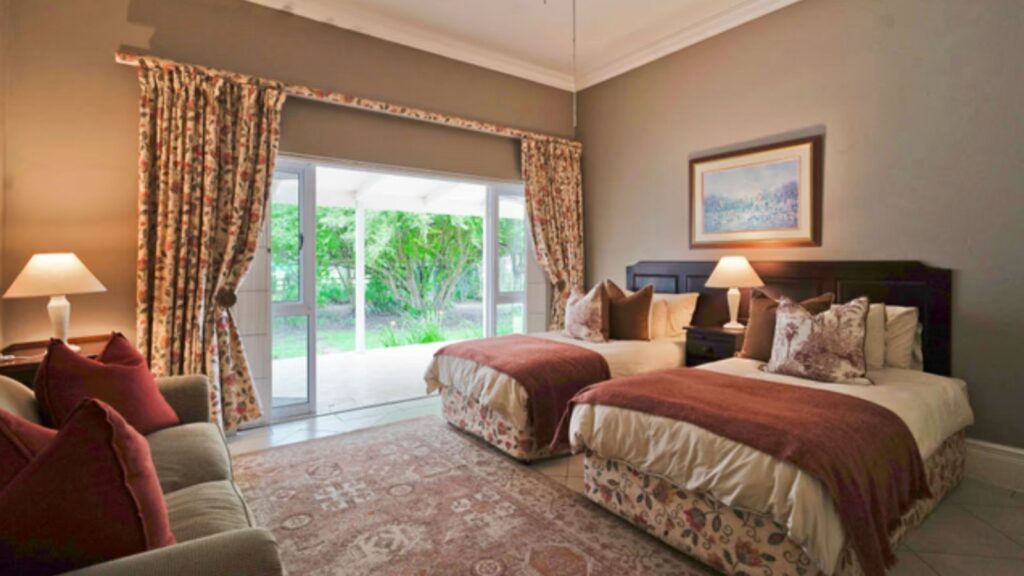
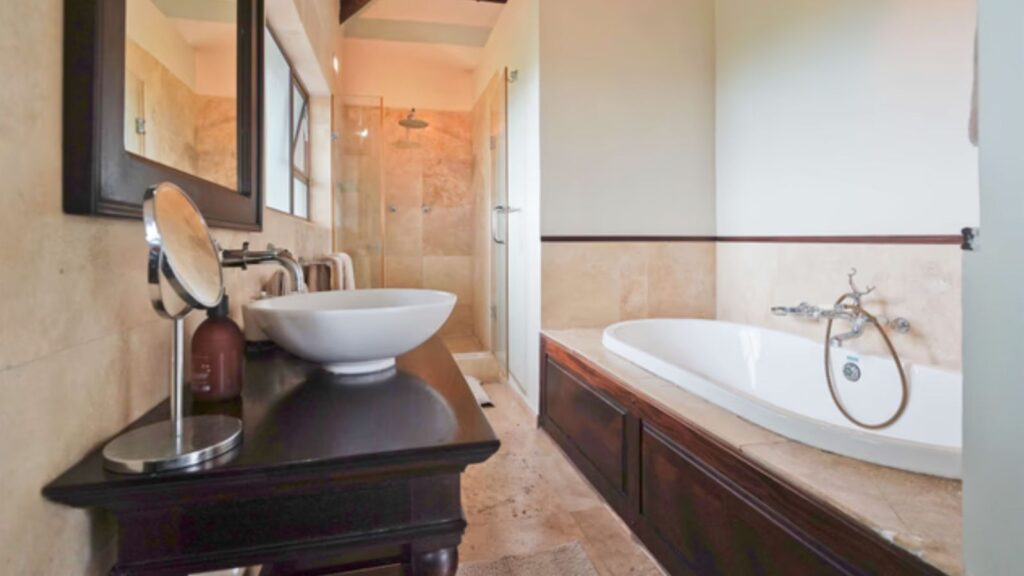
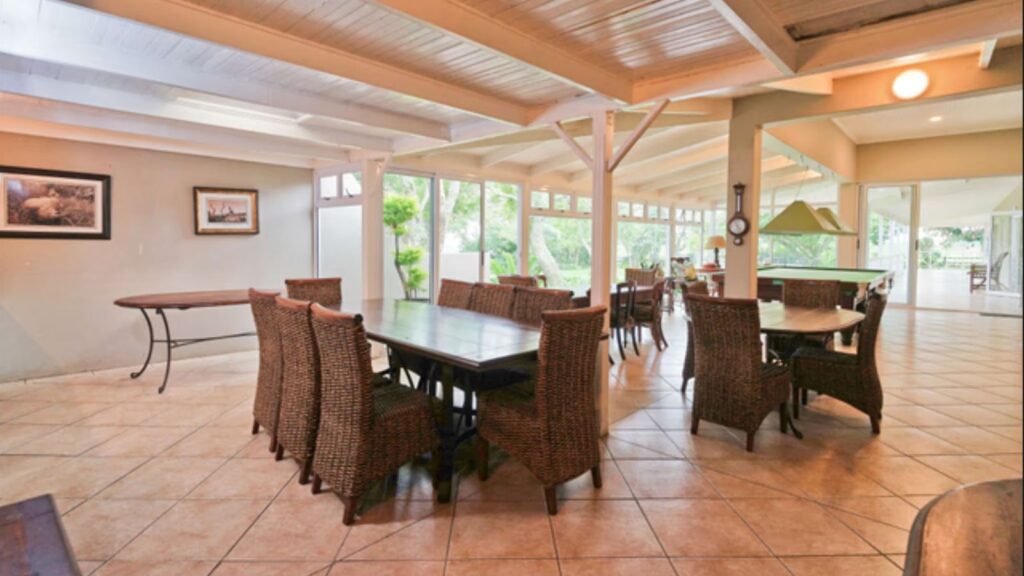
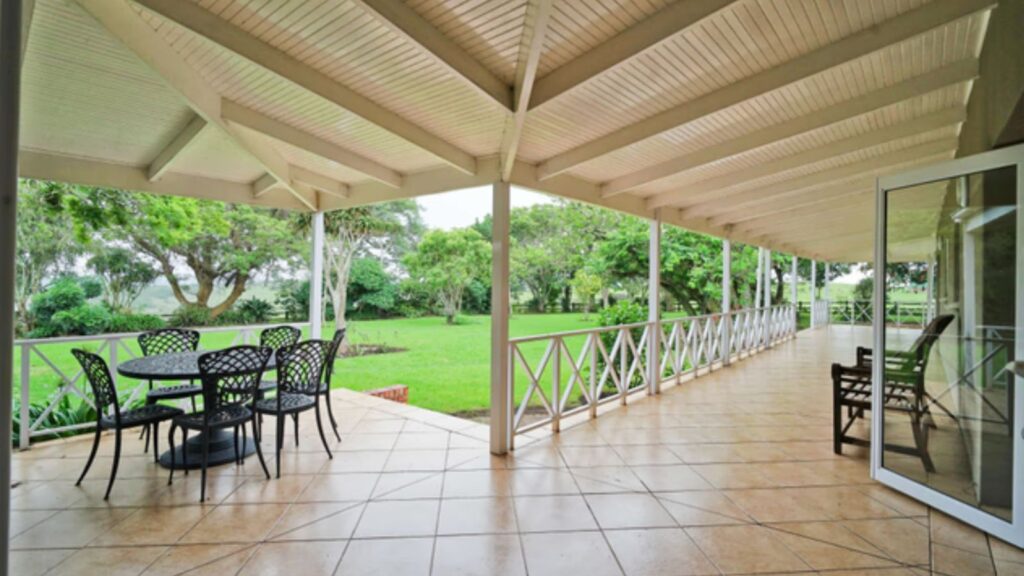
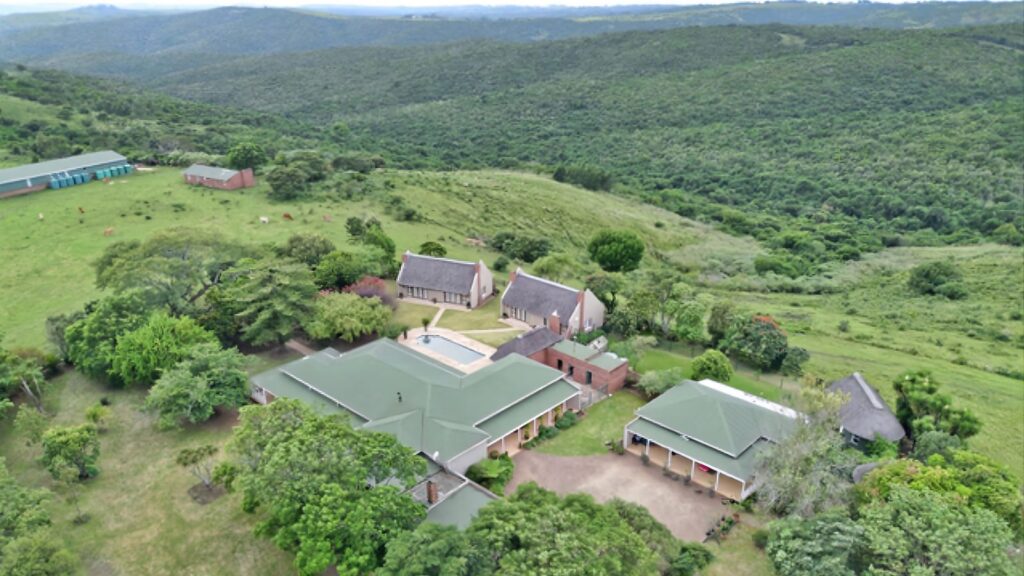
In addition to its biodiversity, the property also includes established infrastructure. A central lodge offers eight en-suite bedrooms and large entertainment areas, while several additional dwellings are spread across the various farm portions.
The reserve is already partially used for managed hunting activities, conducted in line with sustainable wildlife management practices typical of the region, providing an existing revenue stream for potential buyers.
Its proclaimed conservation status is also a strong draw for buyers looking for an investment due to the growing global demand for environmentally responsible assets.
Nature-based investments and ESG-driven strategies are increasingly influencing high-value property acquisitions, particularly in markets like South Africa that offer both biodiversity and scale.
The property is being marketed at R145 million, or approximately $8.9 million, which is described as a high-end but competitive offering within the country’s conservation and safari sector.
“Opportunities of this scale, with this level of natural integrity and structural optionality, are exceptionally rare,” added co-founder of Bass Property Group, Joshua Bassingthwaighte.
“We are seeing increasing interest from international buyers seeking large, meaningful landholdings in Africa—and Tyityaba speaks directly to that market.”
Photos of Tyityaba Nature Reserve