


The South African rand has shaken off some of the weakness that gathered last week, rebounding to back below R16.00 to the dollar.
The rand retreated last week, hitting over R16.40/$ as the US dollar appreciated amid risk-off investor sentiment.
This was primarily driven by US President Donald Trump’s nomination of Kevin Warsh as the incoming Fed Chair for May 2026.
As a result, the JSE weakened, and the gold price fell from $5,505/oz to $4,632/oz.
According to Investec Chief Economist Annabel Bishop, markets corrected sharply on news of the Fed replacement, but have since recovered—largely on profit-taking and a return of risk appetite.
“The US dollar has weakened as a consequence, as some safe-haven flows reversed back into risk assets,” she noted.
“The macro-economic outlook for global and US growth is still optimistic, and a market crash is not warranted overall from this perspective.”
The start of the new week has seen the impact of this, bringing renewed strength to the rand. The gold price is also back over $5,000 an ounce, with the JSE getting a boost as well.
The rand is not only gaining against the dollar but also against other currencies, showing broad strength, not just due to dollar weakness.
The rand has risen by 15.1% y/y against the US dollar to date in 2026, and is 1.4% y/y stronger against the euro for the year to date as well, and has climbed 5.2% y/y against the pound and 8.8% y/y against the yuan.
“Overall, the rand has gained 2.7% on a trade-weighted basis—against the currencies of all the major countries it trades with—since the start of the year, and on average is up 7.8% y/y for the same period in 2025,” she said.
Investor risk appetite rose to all-time highs up until just before the end of January as optimism built for all major asset classes, Bishop said.
Equities are seen as leading in 2026, followed by commodities, she added, citing the S&P Global Investment Manager Index.
S&P noted that sentiment for global equities in 2026 is showing levels of buoyancy not seen since April 2021, “with bullishness toward commodities now the highest since April 2022.”
“Sentiment has also edged back into bullish territory for both corporate and sovereign debt,” the group said
“The lower interest rate and improved fiscal policy environments are also contributing to the brighter mood among fund managers.”
Petrol prices are suffering
While the bullish environment is benefiting the rand, markets are not without their pressure points.
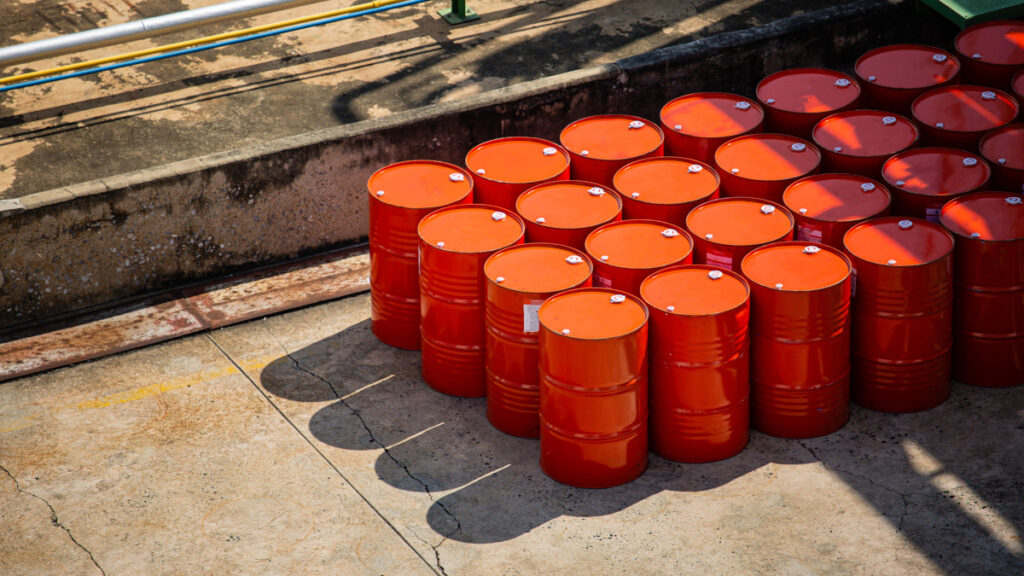
The oil price, for example, has risen to over $68 a barrel this month, up from $66. The rise in oil has been lifted by the same positive market sentiment, as well as an improved global economic outlook.
This has boosted demand forecasts, even amid the supply glut projected for the year.
Bishop warned that the rise in oil prices is eroding the rand’s gains, especially for local fuel prices.
“(There is) only a 13c/litre cut in the petrol price now signalled for March, down from a 22c/litre signalled earlier last week, and a 32c/litre cut signalled at the start of the month,” she said.
If the trend continues, petrol price recoveries may ultimately swing into negative territory, and motorists may face a hike in March.
