

South Africa does not suffer from a shortage of talent, but from a shortage of political will to prioritise integrity over loyalty.
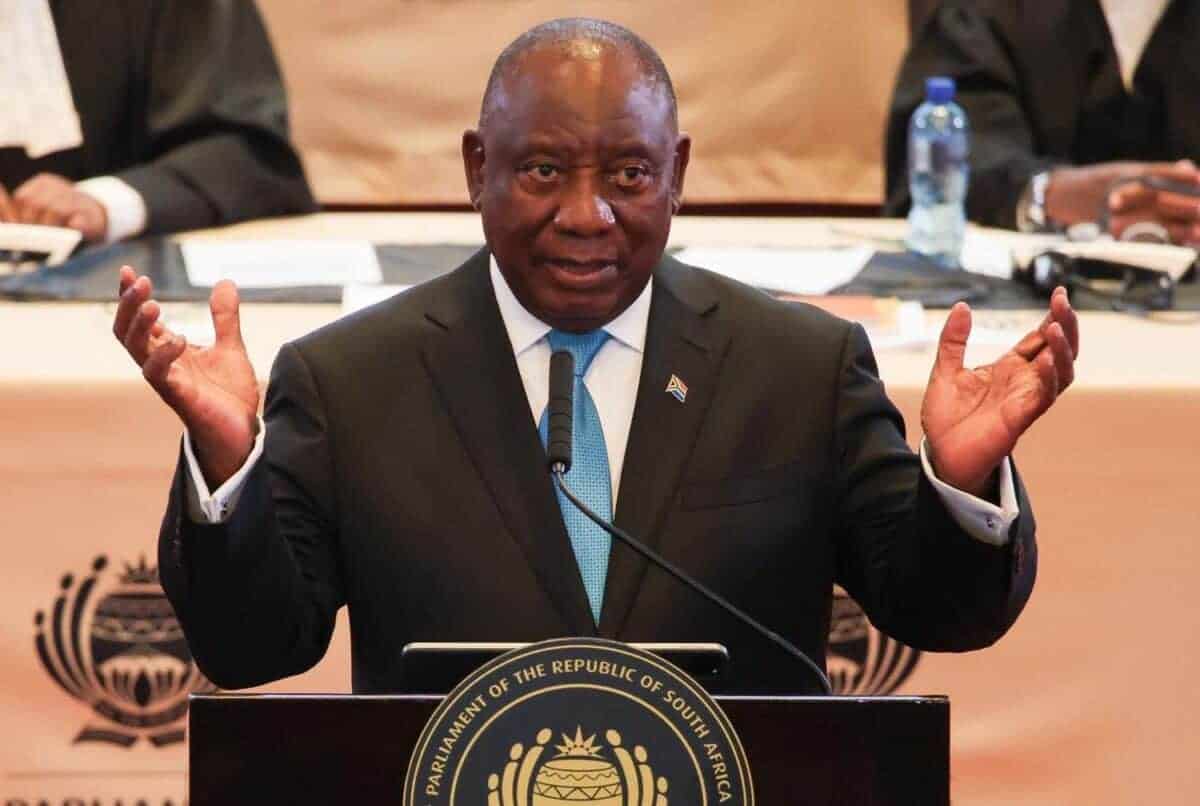
President Cyril Ramaphosa is showing signs of improvement in how he deals with errant Cabinet ministers – though still insufficient, I see some backbone in him.
In less than two years, he has dismissed four members: three ministers and a deputy. The latest casualty, social development minister Sisisi Tolashe, follows the removal of higher education minister Nobuhle Nkabane, forestry and fisheries minister Dion George and deputy trade minister Andrew Whitfield.
This tally already surpasses ex-president Jacob Zuma’s record, who often wielded the axe under cover of midnight but never reached four dismissals within two years of a single term.
Ramaphosa acted swiftly against George and Whitfield, both DA appointees, but took longer to move against ANC members Nkabane and Tolashe – unsurprising given the need for party consultation before disciplining his own.
Tolashe, from the Eastern Cape, was hardly a household name. Her rise from rural obscurity north of the province to parliament and then Cabinet was one of Ramaphosa’s surprise appointments. Such appointments are not inherently problematic.
What is troubling is the familiar pattern: ministers dismissed for misconduct or incompetence only to resurface in new deployments. This recycling of compromised leaders has become a hallmark of SA politics.
Thembi Simelane, accused of soliciting a bribe during her time as mayor of Polokwane, was shifted from the department of justice to human settlements. Nkabane, dismissed for nepotistic appointments, returned as ANC deputy chief whip in parliament – a position of real influence.
Since 1994, redeployment has been the default remedy where failed ministers got rebranded as ambassadors, MPs, or senior officials. This while capable individuals languish on the margins, waiting for elusive opportunities.
Contrast this with China, SA’s close ally. Beijing acts decisively against corruption, imposing heavy penalties that deter repetition.
Its centralised system may be see as authoritarian by the West, but it is undeniably effective in enforcing discipline and ensuring accountability.
South Africa, by comparison, talks endlessly about corruption on public platforms but rarely punishes it. Allegations hang over senior politicians who continue with state business as if nothing happened.
The absence of consequences emboldens repeat offences. Ramaphosa’s actions, though notable, remain half-measures.
Dismissing ministers is progress, but redeploying them elsewhere undermines the very principle of accountability. It signals that misconduct is a temporary inconvenience rather than a career-ending breach of trust.
The president’s actions, therefore, risk being seen as cosmetic. South Africa’s democracy cannot afford this cycle of recycling.
Citizens are weary of watching compromised leaders return in new guises, wielding influence despite tainted records. Genuine accountability requires not just dismissal, but exclusion from future positions of power, otherwise, corruption becomes institutionalised, eroding public trust.
Ramaphosa is willing to act, but must go further. Breaking the culture of redeployment would mark a decisive shift, proving that misconduct carries real consequences.
Without such resolve, his Cabinet discipline will remain a revolving door. South Africa does not suffer from a shortage of talent, but from a shortage of political will to prioritise integrity over loyalty.
Until that changes, the recycling of compromised leaders will continue to haunt the nation’s politics, leaving citizens to wonder whether the president’s dismissals are steps toward accountability, or simply reshuffles in disguise.
Support Local Journalism
Add The Citizen as a Preferred Source on Google and follow us on Google News to see more of our trusted reporting in Google News and Top Stories.
