

Mama Africa’s voice echoes across generations on what would be her birthday.
South Africa is pausing to remember the late Miriam Makeba on what would have been her 94th birthday, a milestone that arrives with powerful historical symmetry.
Fifty years ago, in 1976, as the Soweto Uprising ignited global outrage against apartheid, Makeba stood before the United Nations General Assembly and delivered a speech that cut through diplomatic caution with moral clarity.
‘We are not asking for sympathy’
That year marked a turning point in the country’s liberation struggle. While young people in Soweto faced bullets for demanding dignity in education, Makeba used her international platform to demand accountability from the world. “We are not asking for sympathy. We are asking for justice,” she declared, challenging global leaders to move beyond statements and into action.
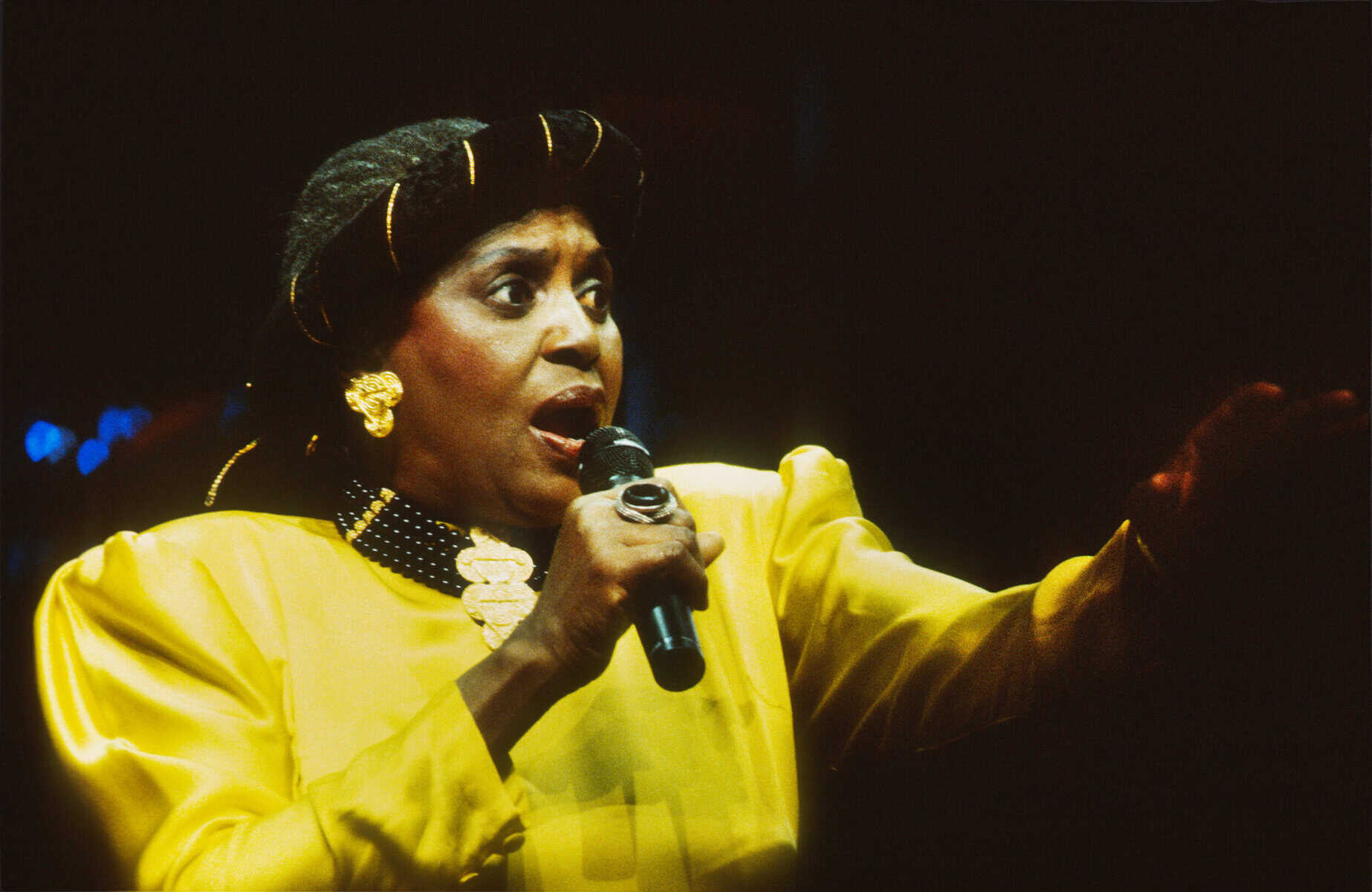
Half a century later, her words feel startlingly current.
As geopolitical tensions rise and societies wrestle with identity, inequality, and division, Makeba’s insistence on justice over indifference continues to resonate.
She understood that silence is never neutral. Her address at the United Nations was not just a political act but a cultural one, proving that art can carry the weight of truth into the highest corridors of power.
Known worldwide as Mama Africa, Makeba transformed music into a form of diplomacy. From township stages to Carnegie Hall, she carried the rhythms, languages, and pride of a nation in exile.
At a time when African identity was demeaned by racist systems, she elevated it. Her songs became both celebration and protest, weaving together heritage and hope.
ALSO READ: From Caster Semenya to Nadia Nakai: Meet the season 12 ‘Tropika Island of Treasure’ celebrities
Her legacy lives on through the Miriam Makeba Foundation and the Miriam Makeba Centre for Girls in Midrand, institutions rooted in her belief that education and empowerment are essential tools of liberation. For her, women and young people were never footnotes in the struggle. They were its heartbeat.
‘Her UN speech still gives chills’
Artists across the continent continue to draw inspiration from her path.
Voices like Thandiswa Mazwai, Angélique Kidjo, Yvonne Chaka Chaka, Simphiwe Dana, Somi, and her granddaughter Zenzi Makeba Lee reflect the creative lineage she helped define. Each performance, in some way, carries her imprint.
On X, formerly known as Twitter, netizens marked the day with reflection and pride.
One user posted, “Mama Africa spoke truth to power when it mattered most. Her courage still teaches us.”
Another wrote, “Fifty years later and her UN speech still gives chills”.
A third added, “Miriam Makeba showed the world that culture is political and powerful.”
Though she passed away in 2008, Makeba’s voice has not faded.
Support Local Journalism
Add The Citizen as a Preferred Source on Google and follow us on Google News to see more of our trusted reporting in Google News and Top Stories.
