


The Department of Transport has delayed the implementation of the new Administrative Adjudication of Road Traffic Offences (AARTO) system in South Africa, but civil groups, political parties and unions are calling for the whole thing to be scrapped altogether.
Some have even warned that the implementation of the system will court public backlash and widespread opposition from motorists, leading to another e-toll-level collapse in the country.
At the top of the list of things working against the AARTO is the apparent lack of state capacity to actually implement and manage the system, which stakeholders say is evident by the latest delay.
The Transport Department announced earlier this month that the planned launch of AARTO in 69 municipalities across the country from 1 December would be delayed and pushed back to July 2026.
This, in turn, would push the later phases of the rollout back as well, including the launch of the driving demerit system, which was supposed to launch in September 2026. This is now expected to only come in mid-2027.
According to the Freedom Front Plus, the postponement of the nationwide rollout of the AARTO system as a sign that it is beginning to collapse, just like the e-toll system.
“Much like the e-toll system in Gauteng, AARTO — currently active only in Gauteng in the Johannesburg and Tshwane Metros — appears to be slowly but surely nearing the end of the road,” the party said.
Initially, the e-toll system’s demise was gradual and marked by years of court cases and public rejection, but then it came to an abrupt end just before the 2024 elections when it became obvious to both the national and Gauteng governments that the system was no longer viable.
Similarly, AARTO’s decline began slowly with years of legal challenges, problematic legislation and regulations, and extremely flawed implementation to the detriment of the public, the party said.
It added that the AARTO also systematically developed a legitimacy crisis in Gauteng due to the system’s utter failure to make roads in Johannesburg and Pretoria safer.
“Given the numerous problems with integrating AARTO with municipal systems nationwide, it appears that the only thing left to do is prepare for its final collapse,” it said.
If AARTO cannot be successfully implemented in Gauteng, it will eventually dawn on the national government that the system is simply not viable nationwide.
According to the civil action group, Outa, like e-tolls, the AARTO regulations were pushed through without proper public participation.
The new version of the regulations represents a complete rewrite of the regulations, first published for public comment in 2020, far beyond the usual refinements that follow public input.
“To make matters worse, the most recent amendments, published in the Government Gazette of 31 October 2025, include pages of unreadable text in the very schedules that list offences, fines, and demerit points,” it said.
“Citizens cannot comply with laws they cannot read. That’s not enforcement; that’s confusion.”
AARTO problems
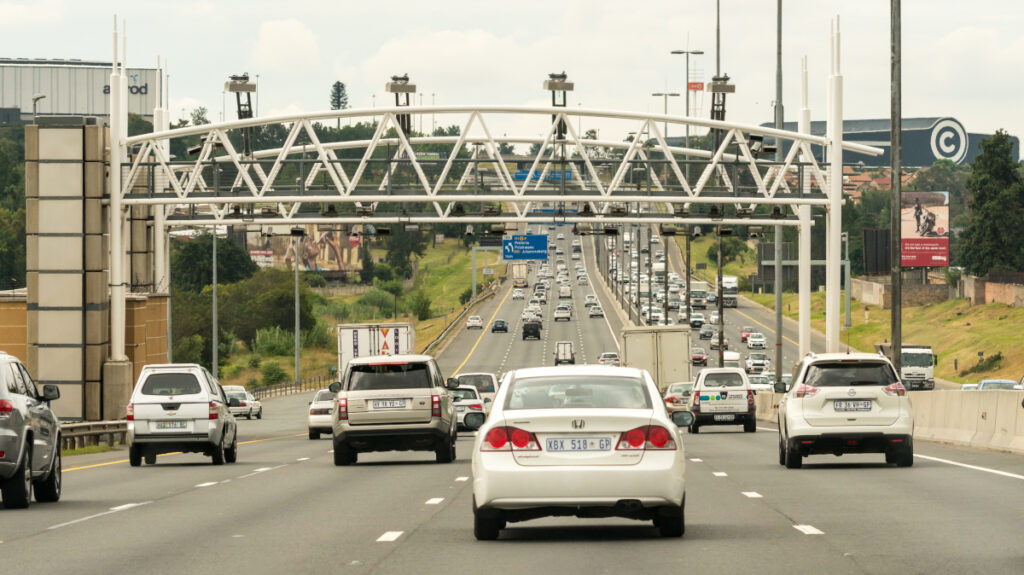
AARTO’s pilot phase in Gauteng was riddled with glitches from the start, which the Freedom Front Plus says have only worsened over time.
Johannesburg and Pretoria traffic can no longer be strictly policed — as previously under the Criminal Procedure Act — because fines are either issued late or not at all, in addition to various forms of maladministration rendering fines invalid.
There were even instances where AARTO fines were electronically generated, but never printed or dispatched within legal timeframes.
Yet, authorities still attempted to enforce those fines and had to be ordered by a court to cease the unlawful practice.
Currently, AARTO’s implementation in Johannesburg and Pretoria remains plagued by various forms of maladministration.
“The AARTO legislation and regulations are either inconsistently applied or not applied at all,” the party said.
“Many motorists still do not receive fines by post or email, yet are unlawfully forced to pay these fines when renewing vehicle licences.”
The problems evident in Gauteng also highlight the broader issues with the system, which appears to prioritise revenue collection over road safety.
This has been a common criticism of the laws, with Outa and public service unions like the Public Servants Association (PSA) repeatedly flagging this issue.
The PSA welcomed the delay of the AARTO rollout, saying that the assessment of municipal readiness for the system revealed serious shortcomings in training, systems integration, and funding.
The PSA has consistently raised concerns about the practicality and fairness of the AARTO system, and the repeated delays since its inception underscore its warnings that the system is unworkable, administratively burdensome, and risks creating more confusion than compliance.
“Whilst the postponement offers temporary relief to motorists and road users, the government should go further and scrap the AARTO demerit system completely,” it said.
“The model prioritises revenue collection over real road-safety improvements and introduces complex administrative processes that will strain municipalities and inconvenience the public.”
The union said that instead of trying to force a flawed system on the population, it should focus on strengthening the law enforcement capacity and investing in public education campaigns to promote safe driving behaviour.
“These measures will deliver real, sustainable improvements in road safety without imposing unnecessary penalties and bureaucratic hurdles,” it said.
Outa added that several municipalities have already indicated they wish to withdraw from the system, knowing that the bureaucratic and financial risks associated with it will be too much to carry.
“This postponement should be used to get AARTO right,” Outa said.
“If government is serious about road safety, it must return to the drawing board, build a transparent, practical system that supports enforcement, earns public trust, and genuinely saves lives.”
