
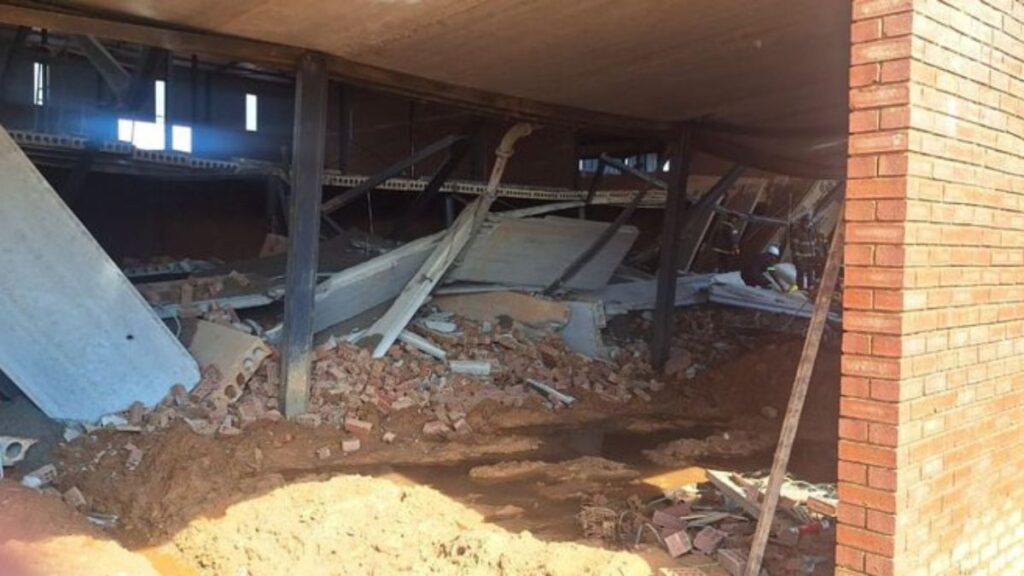
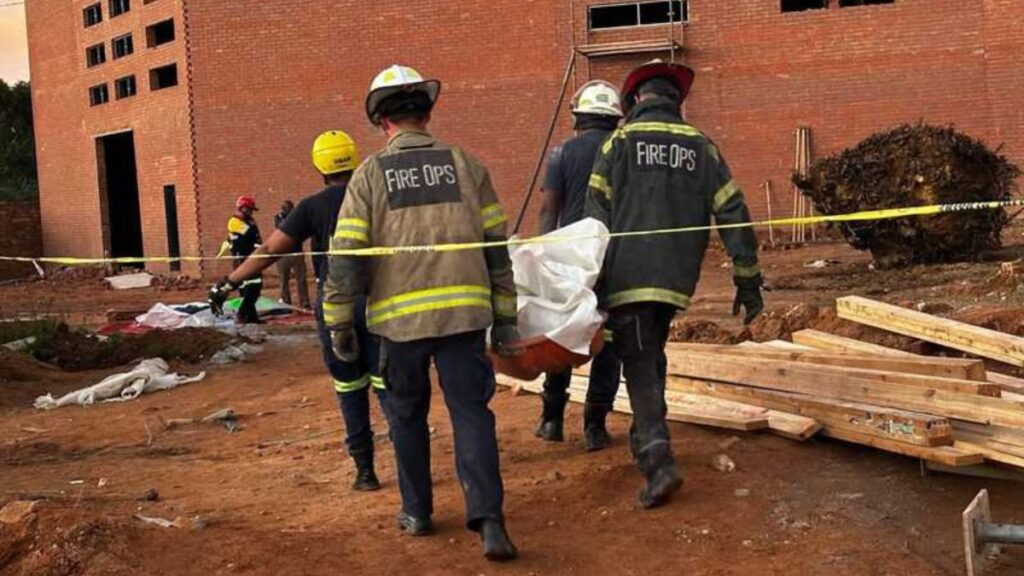
The recent collapse of a building under construction in Omonde, south of Johannesburg, has highlighted deep concerns about safety and compliance in South Africa’s built environment.
Speaking in an interview with CapeTalk, Vice President at Master Builders South Africa, Mark Fugard, said the incident points to serious failures in the regulated construction industry.
According to Fugard, the Omonde collapse is not just an isolated incident but part of a pattern of worrying failures.
This includes the Department of Basic Education disclosure that 3,523 schools across the country are still operating from inappropriate or deteriorating structures.
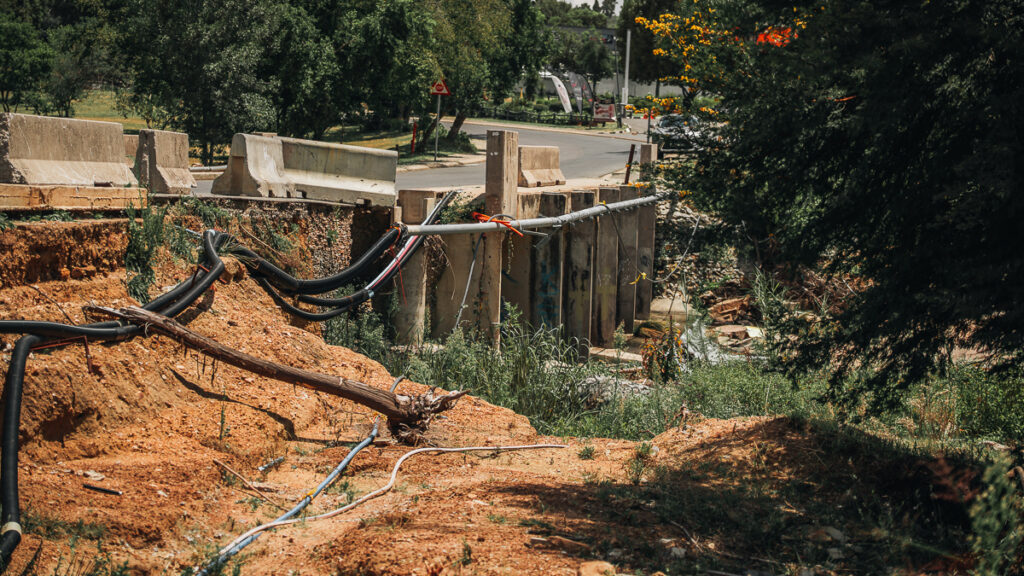
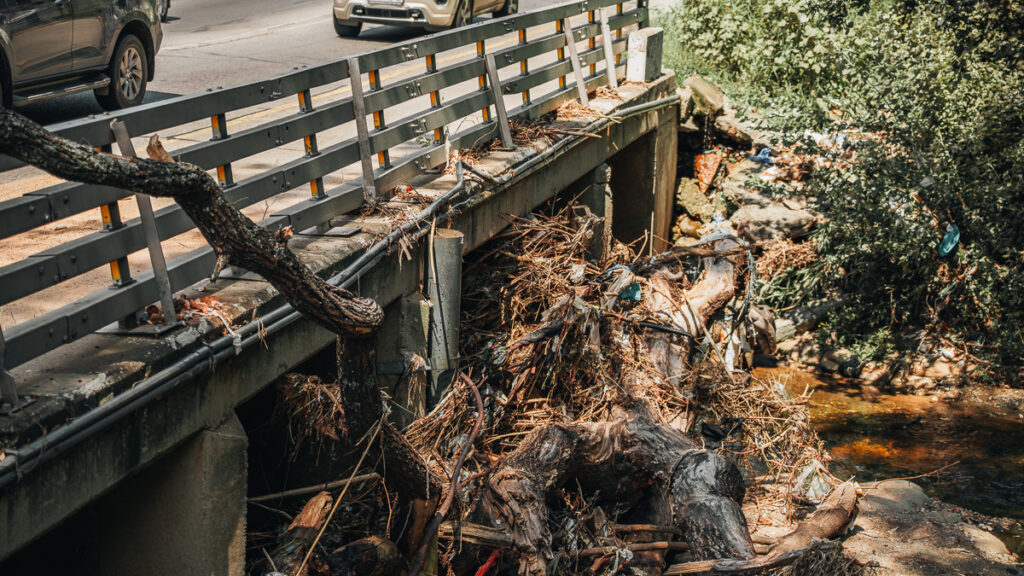
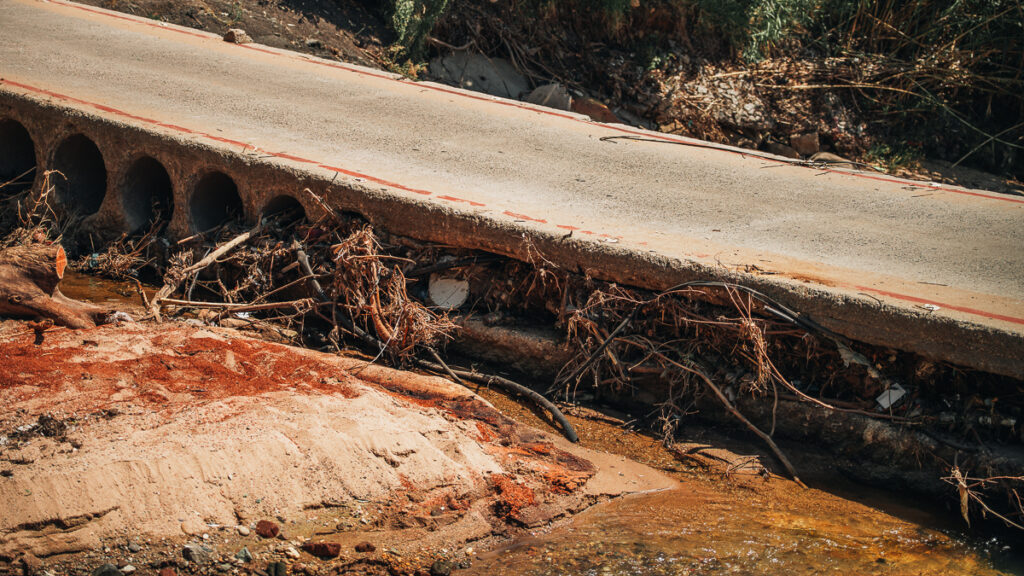
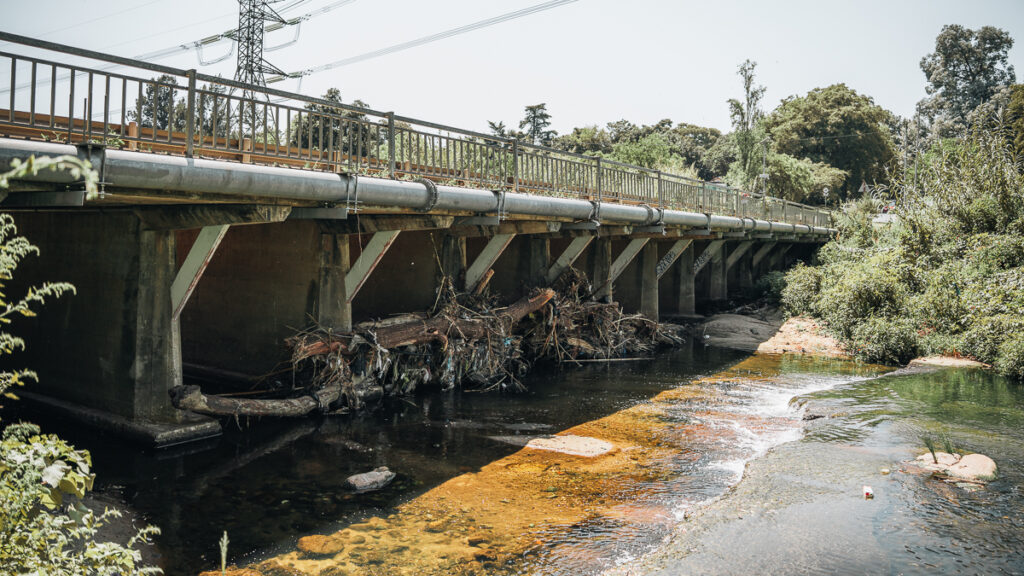
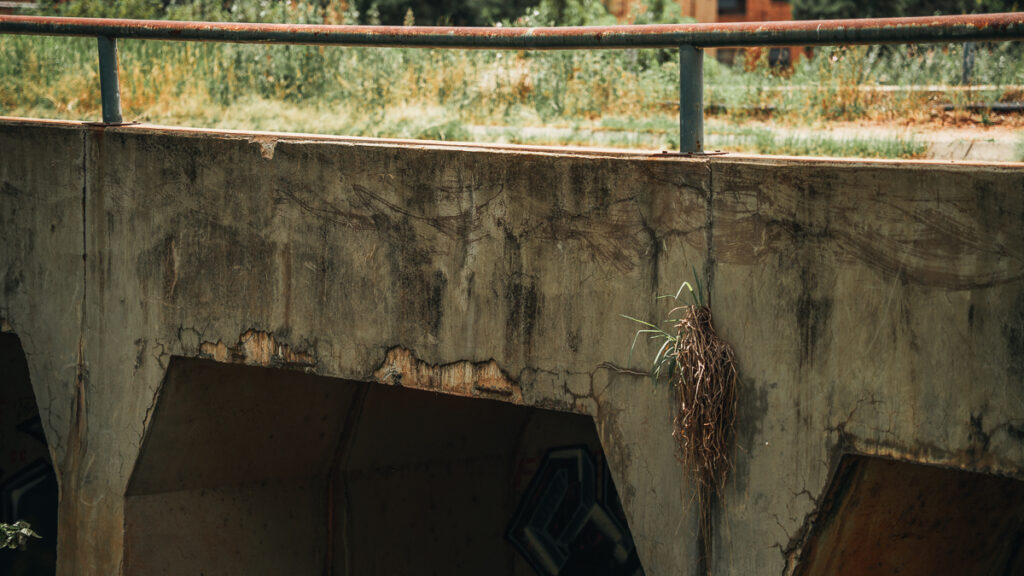
Additionally, in Johannesburg alone, a recent report said only 6% of the city’s 902 bridges are in good condition, and the cost to bring the rest up to an acceptable standard is estimated at R37 billion.
The Johannesburg Roads Agency (JRA) revealed that 702 of Johannesburg’s bridges, or 78%, are in poor or very poor condition. 20 are on the brink of closure.
The growing incidents and reports underscore the broader concerns about infrastructure oversight in the country.
“Catastrophic accidents result from a breakdown in compliance and competence when a number of elements in the process are not adhered to,” said Fugard.
Fugard explained that several safeguards are meant to prevent such disasters. These include competent structural design, proper approval of building plans, and adherence to municipal regulations before any construction work begins.
“Every development that goes ahead into the building phase needs to have approval. That is municipal building approval,” he said.
Beyond design and planning, developers and employers are also required to appoint competent contractors and ensure that all necessary registrations and permits are in place.
“The employers need to understand and comply with regulations, appoint competent contractors, and ensure the correct registrations for developments are done,” Fugard said.
“The necessary permits need to be obtained and put in place prior to construction commencing.”
Individuals or companies ignoring regulations entirely

Fugard stressed that South Africa’s construction industry does have the regulatory frameworks needed to ensure safe buildings.
However, he warned that there has been an increase in catastrophic building incidents in recent years, suggesting that compliance is slipping.
“What we have seen in recent years is an increase in these catastrophic incidents,” he said, pointing to other tragedies, including the deadly building collapse in George and the collapse of a temple structure in KwaZulu-Natal.
In many cases, he said, the problem appears to stem from individuals or companies ignoring regulations entirely.
“It appears that individuals and companies have not complied with the requirements and the regulations,” Fugard said.
One key factor behind this is weak enforcement. In the case of Johannesburg, authorities revealed that no building plans had been submitted for the collapsed structure, raising serious questions about how construction was allowed to proceed.
Fugard acknowledged that oversight capacity is stretched thin. “In a regulated industry, this should never happen. But yes, Joburg’s 15 building inspectors are far too few to cover the area that’s required.”
He warned that the shortage of inspectors creates opportunities for unscrupulous developers. “Those who want to proceed unscrupulously will take advantage of a lack of inspectors,” Fugard said.
Despite these enforcement gaps, he stressed that the construction process itself includes multiple checkpoints that should catch problems long before a building goes up.
Fugard believes accountability must be strengthened across the entire construction chain to prevent further tragedies.
Developers and clients initiating projects must understand that they carry legal responsibilities for ensuring projects comply with safety and regulatory standards.
“Clients need to be educated and informed of their legal responsibilities in terms of the role they play as the givers of work,” he said.
Professional teams—including project managers, architects, engineers and quantity surveyors—also have a duty to guide clients toward proper compliance.
However, he warned that regulation alone cannot prevent every failure if developers deliberately choose to bypass the rules.
“If a client wants to be rogue, the client will be rogue,” he said. He added that stronger systems are needed to detect and stop such projects before they become dangerous.
As investigations into the Johannesburg collapse continue, Fugard said the findings must lead to real consequences and reform.
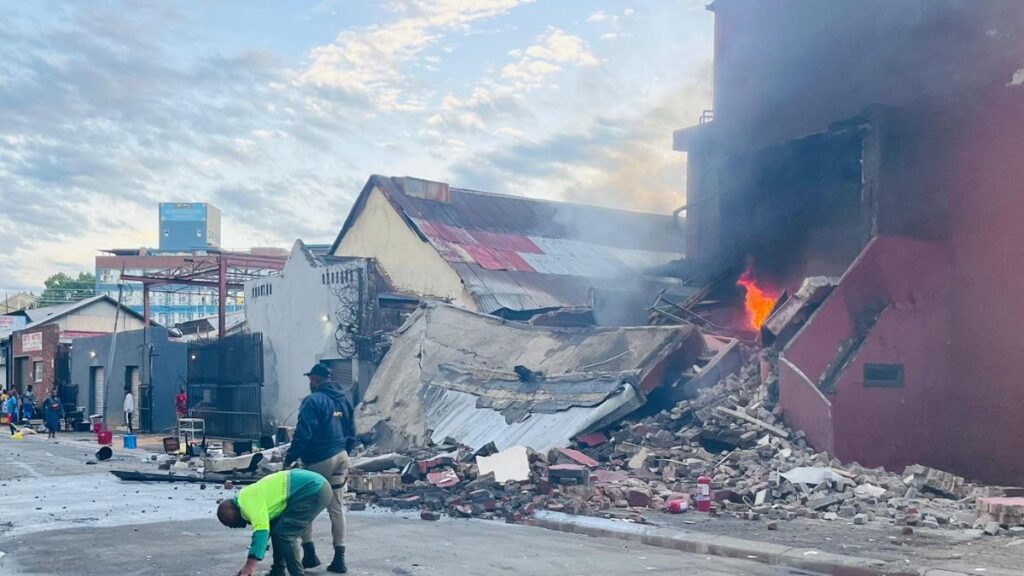
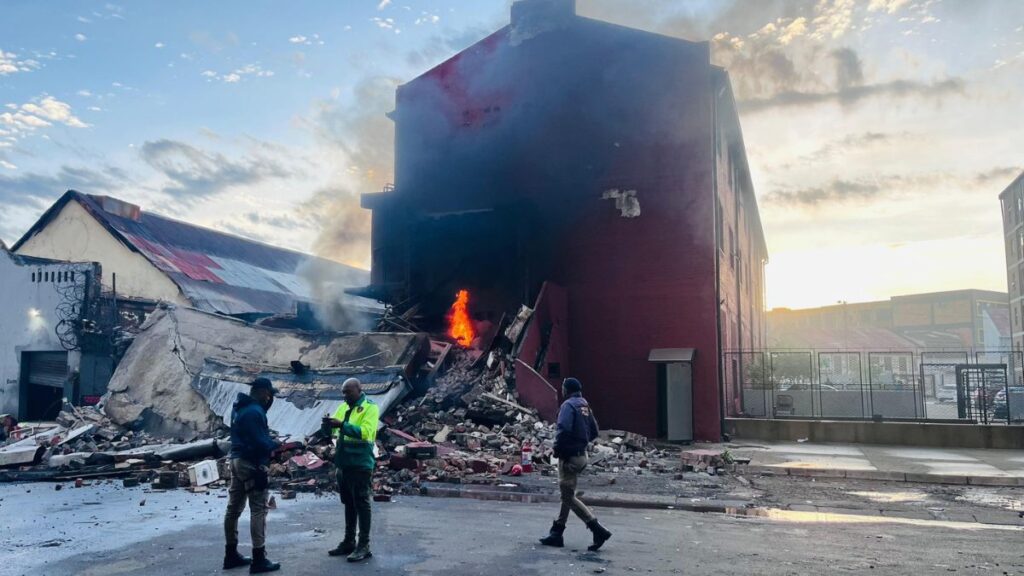
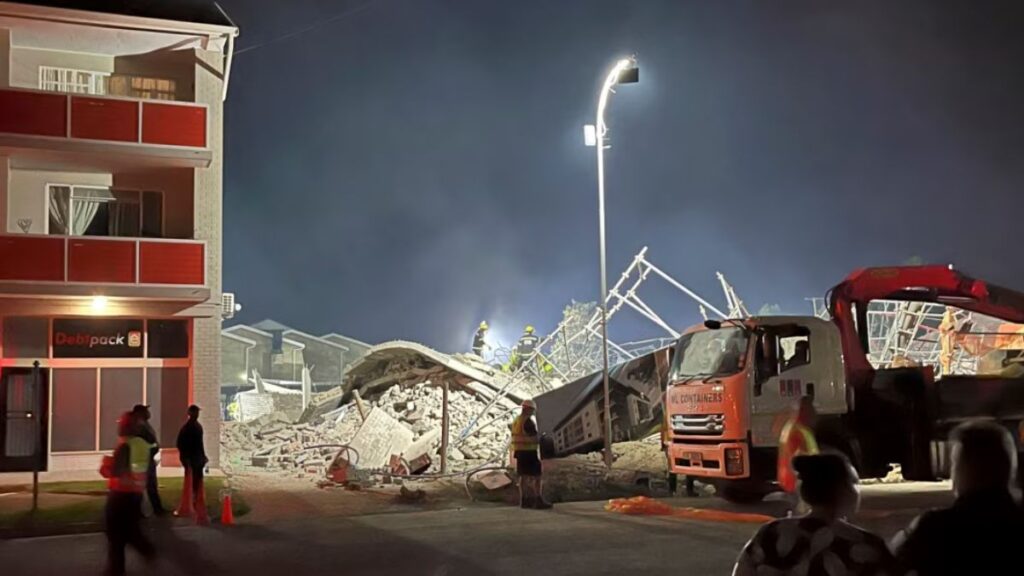
Images of building collapse in Omonde
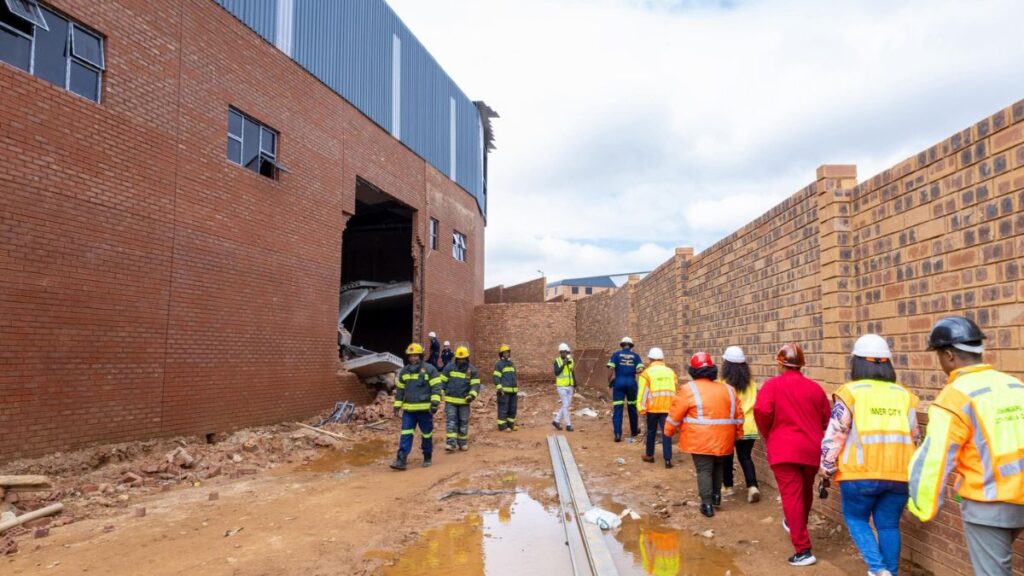
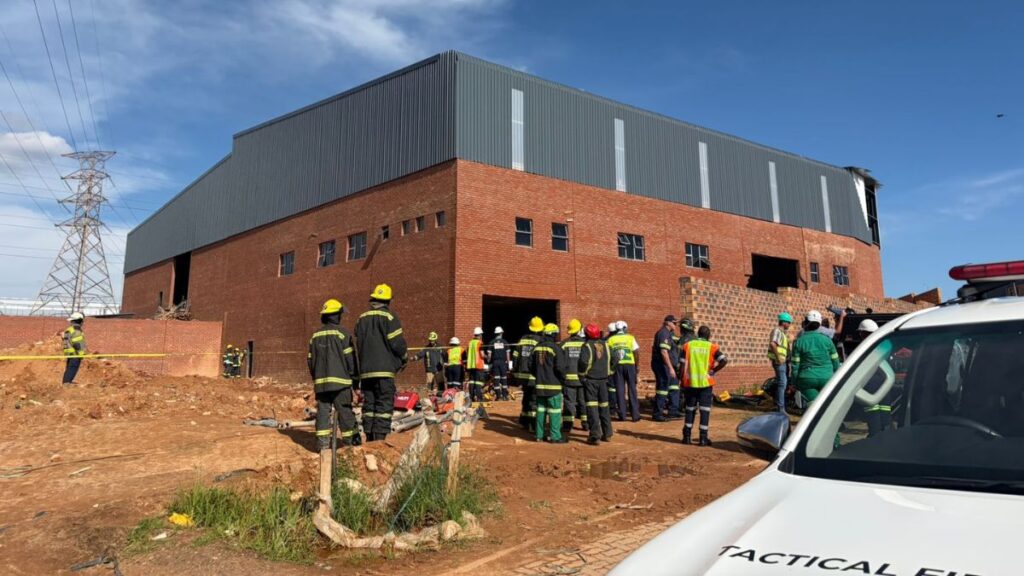
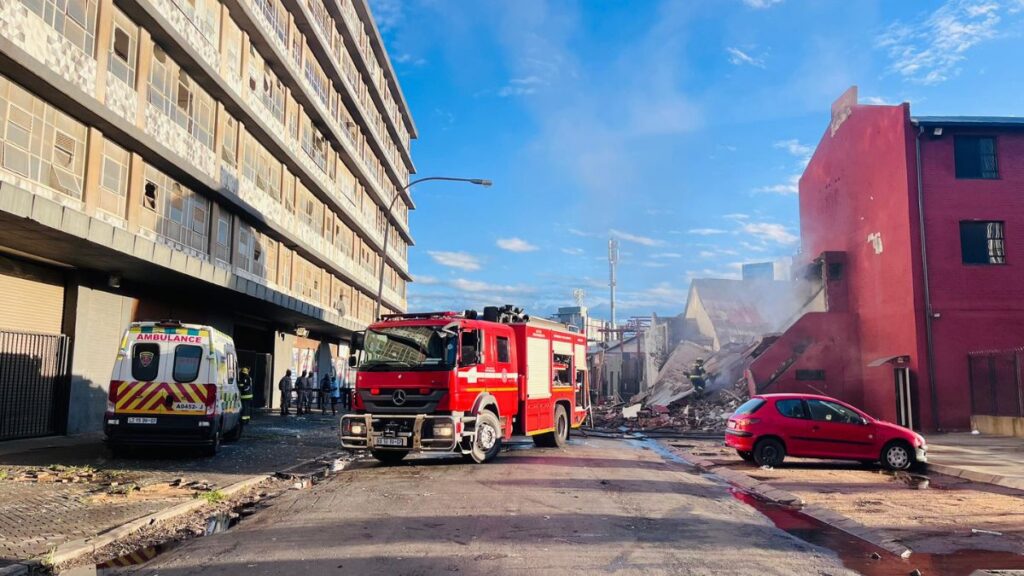
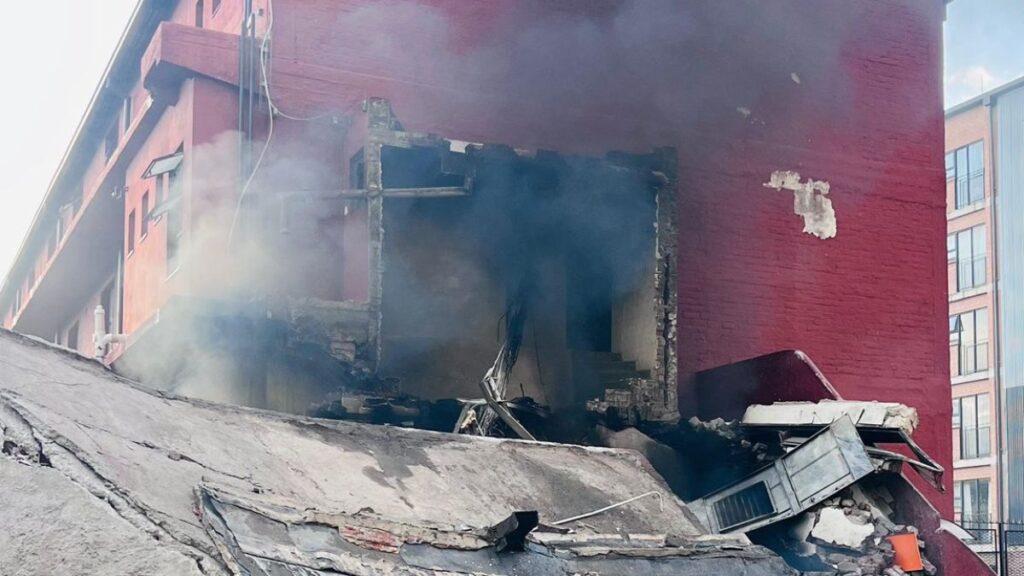
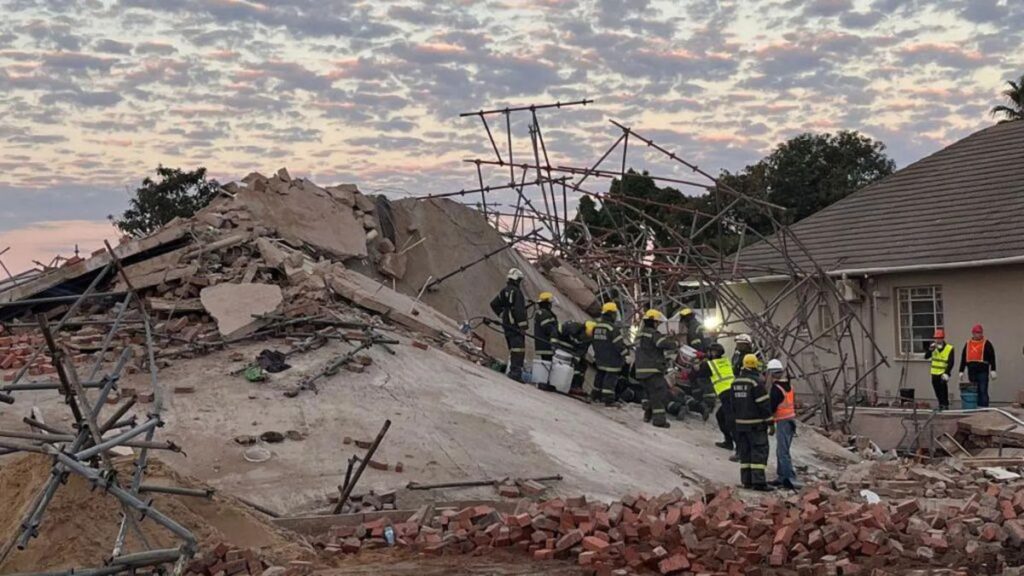
Images of another building collapse in New Doornfontein
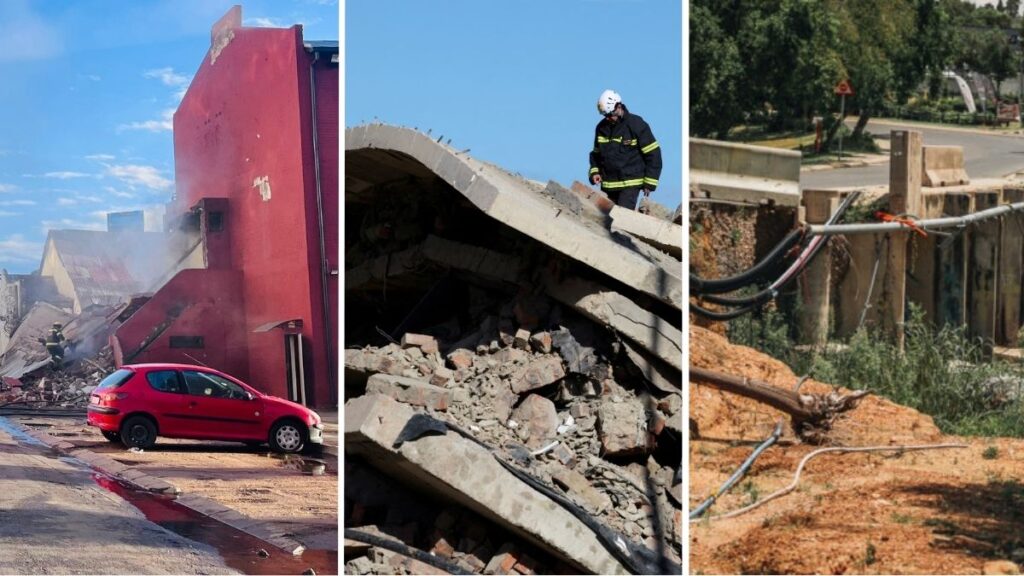
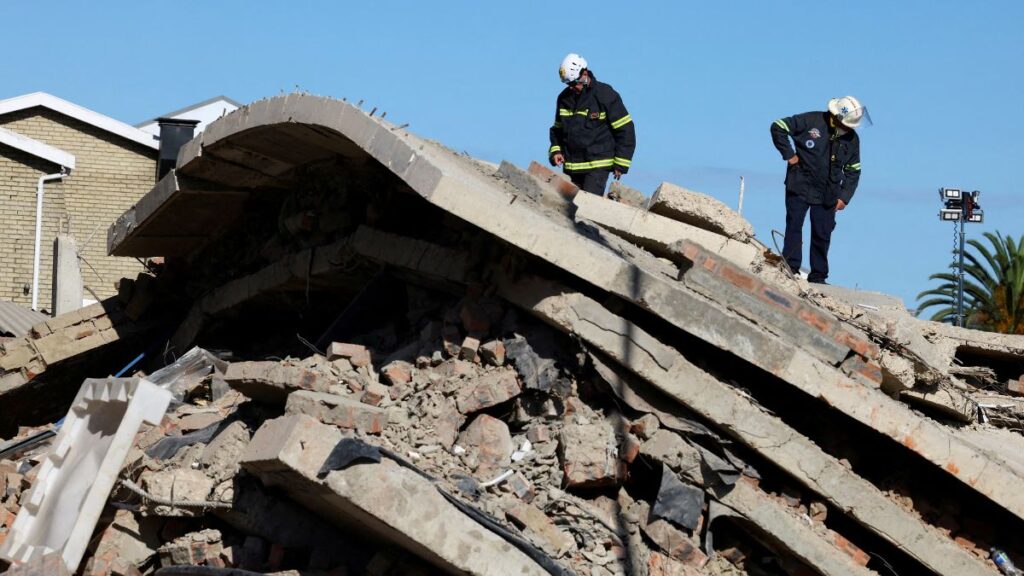
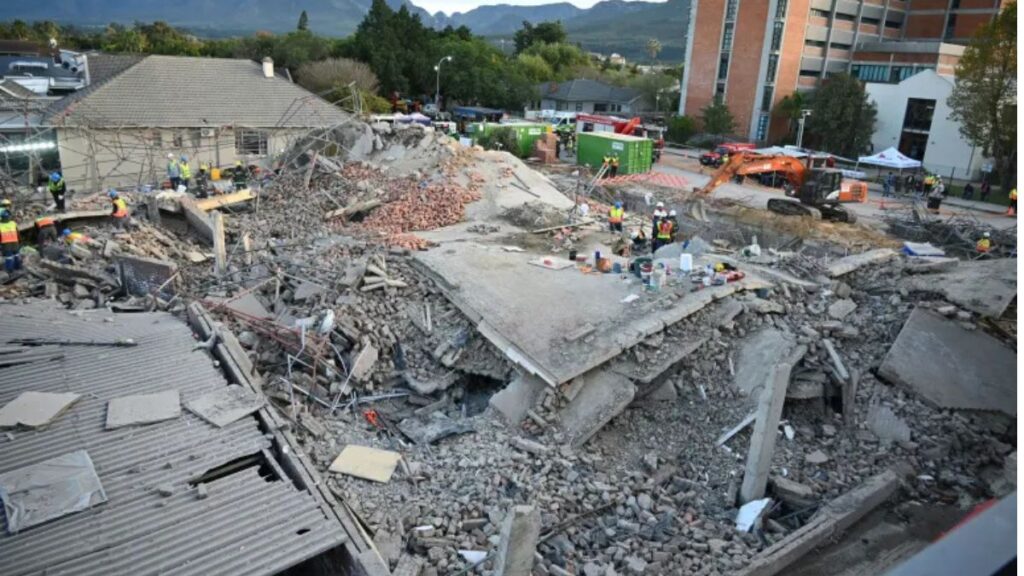
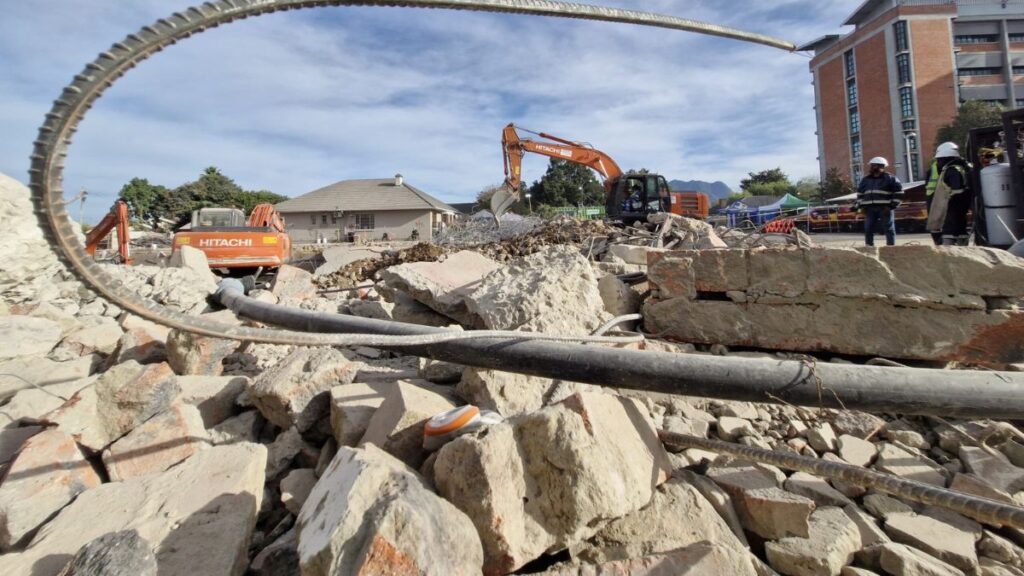
Images of George building collapse
Images of collapsing bridges in South Africa